What a home battery can and cannot keep running in an outage
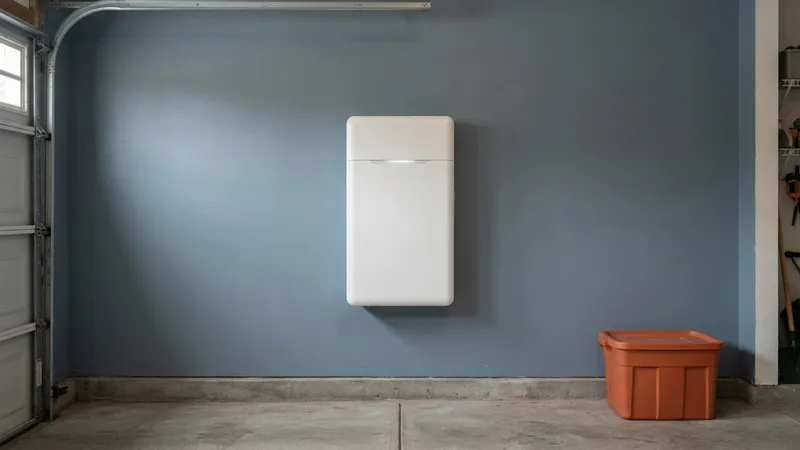
A home battery does not automatically keep the whole house running: what it can power, how long, and what to ask before you buy depends on the setup.
Efficiency, heat pumps, solar panels and home batteries: costs, incentives and whether they pay off.
Define the comfort or energy problem and gather evidence before comparing equipment. Professional assessment and a clear scope come before claims about savings.
A home battery does not automatically keep the whole house running: what it can power, how long, and what to ask before you buy depends on the setup.
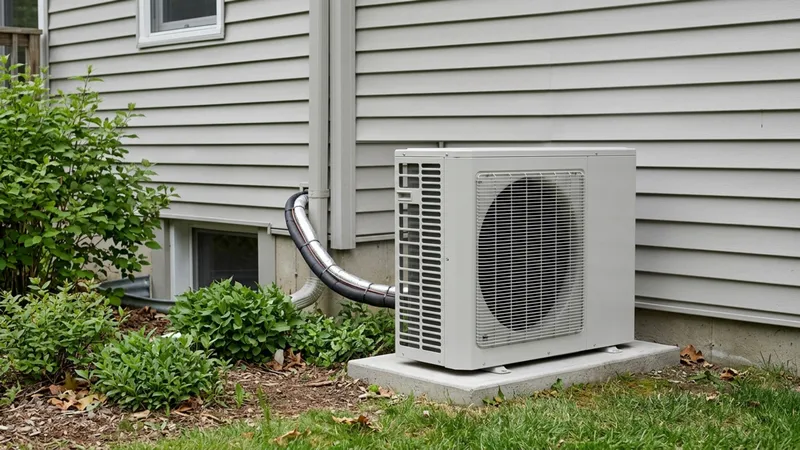
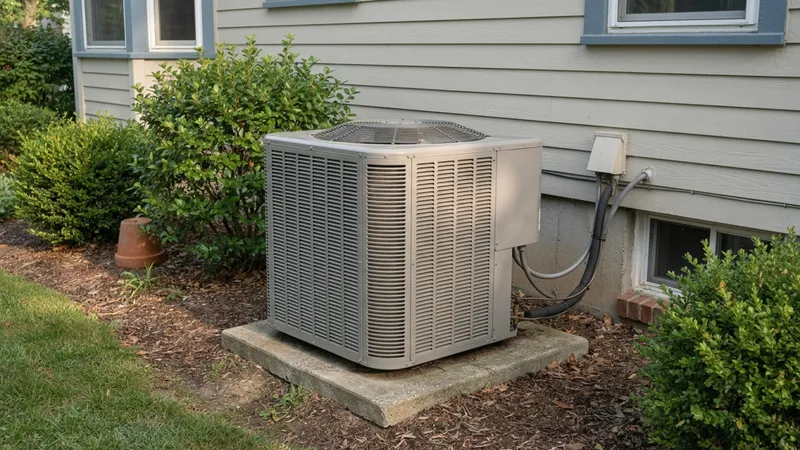
A heat pump moves heat instead of making it, so one system can heat and cool. Here is how it works, what cold weather changes, and what to ask before a quote.
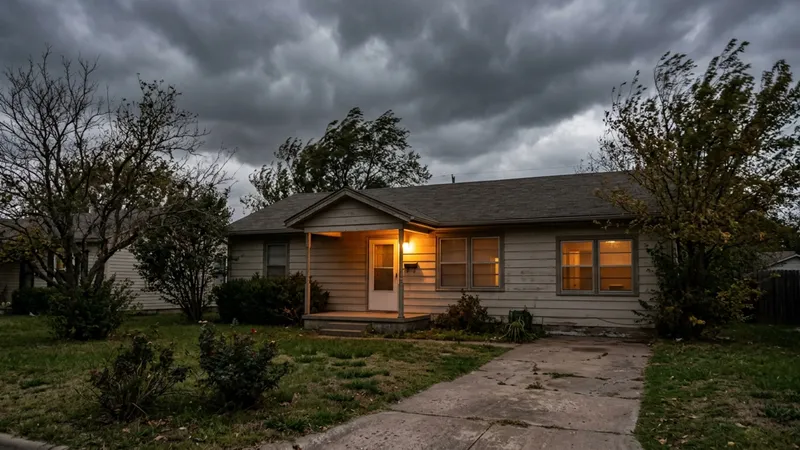
If the power goes out, a portable generator can help, and it can also kill. Where to put it, what alarms you need and why wiring it to the house is an electrician's job.
How thermostat settings save energy, what a smart or programmable thermostat adds, and how to judge whether one is worth it for your home and heating system.
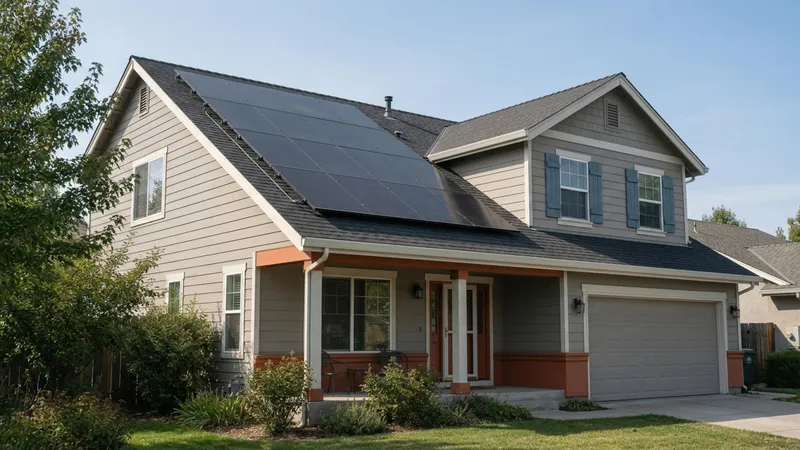
How utilities credit solar power sent back to the grid, why the same system can produce very different bills, and which tariff questions to answer before you rely on a savings estimate.
Separate a solar quote into the system price, the financing terms and the savings assumptions, so proposals can be compared on the same footing.
Where homes leak air, which sealing jobs suit a careful DIYer, when to bring in a professional, and how ENERGY STAR's insulation R-values vary by climate zone.
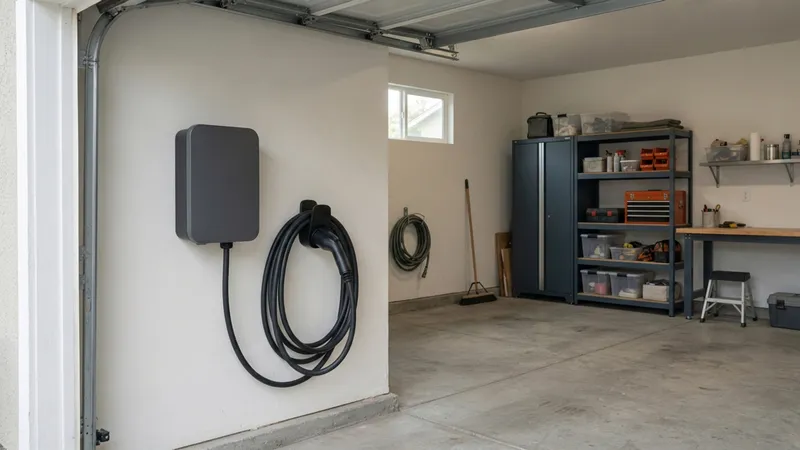
How to tell whether an ordinary outlet will cover your daily driving, when a Level 2 charger is worth considering, and what an electrician should check first.
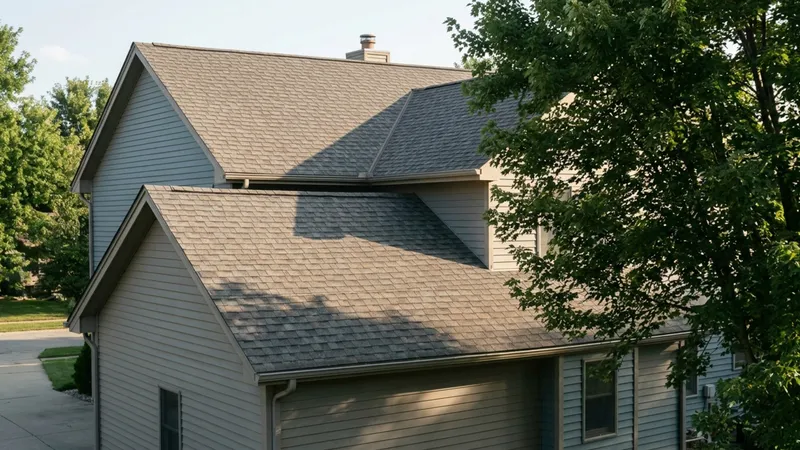
A readiness brief covering the roof, shade, usage, utility terms and ownership before evaluating a solar proposal.
An assessor-preparation checklist and problem-priority list
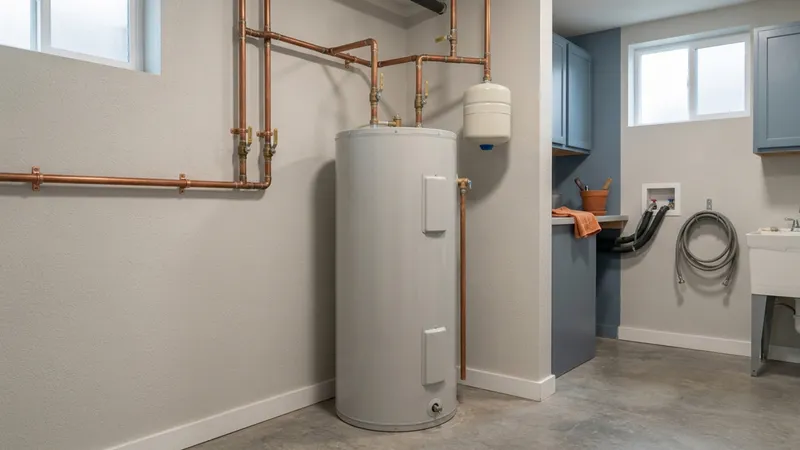
A way to compare storage tank, tankless and heat-pump water heaters by your household's hot-water pattern, fuel, space and installation needs, before asking for quotes.
A way to compare two heating and cooling replacement proposals on sizing, ducts, scope, warranty and verification, so the totals can be read for what they actually include.