Seal air leaks and check your insulation before you hire or buy
Where homes leak air, which sealing jobs suit a careful DIYer, when to bring in a professional, and how ENERGY STAR's insulation R-values vary by climate zone.


Drafts, cold floors and rooms that never match the thermostat often come down to two things: air moving through gaps in the house, and too little insulation in the places that matter. Both can be checked with simple tests before you spend money.
This guide covers where homes tend to leak, which checks you can do yourself, how ENERGY STAR’s recommended insulation levels vary by climate zone, and when a professional is the better choice. It pairs with the guide to preparing for a home energy assessment.
Why sealing and insulating are different jobs
Air sealing stops air moving through gaps. Insulation slows heat moving through materials. Insulation laid over an unsealed leak does not stop the air, so the usual order is to seal first and insulate second. ENERGY STAR presents sealing and adding insulation together and says they can “provide up to a 10% savings on your annual energy bills” (ENERGY STAR, Seal and Insulate, checked November 18, 2026). That is the page’s own figure for the combination, not a promise for your house.
Where homes leak
ENERGY STAR’s inspection page says to look for cracks and gaps at the common leak sites shown in a diagram on that page (ENERGY STAR, DIY checks and inspections, checked November 18, 2026). Its light test points to two places in particular: the edges of windows and doors, where they should be sealed shut, and gaps that show interior light when you look from the attic, crawlspace or basement. The page says the home envelope should be free of gaps and cracks.
DIY checks you can do in an afternoon
The same page describes several low-cost tests:
- Visual inspection. Look at the common leak sites above and note gaps and cracks.
- Night light test. With a partner outside, shine a flashlight over suspected gaps. Light visible from inside indicates a leak. You can also check from the attic, crawlspace or basement for light coming through.
- Paper test. Close a door or window on a sheet of paper. If it slides out without tearing, air is probably leaking.
- Smoke test. On a cool, windy day, turn off combustion appliances, close windows, exterior doors and fireplace flues, and run exhaust fans. Incense, talcum powder or a damp hand can show where air moves.
Make a simple map of what you find, room by room. It will help you decide what to fix yourself and what to ask a professional about.
Check attic insulation
ENERGY STAR gives a quick check: if insulation is level with or below the floor joists, you probably need more, and if you cannot see the joists, you probably have enough. Depth should also be even, with no low spots along the eaves.
To estimate R-value, multiply the depth in inches by a factor for the material: loose fiberglass 2.5, rock wool 2.8, cellulose 3.7, vermiculite or perlite granules 2.7, and fiberglass batts 3.2. As an invented example, 10 inches of loose fiberglass gives about 10 × 2.5 = R25, and 10 inches of cellulose gives about 10 × 3.7 = R37. These are estimates, since density and settling vary.
For walls, the page describes turning the power off, confirming with a voltage tester that it is off, removing an outlet cover and shining a flashlight into the gap around the box. If you are not comfortable with any electrical step, do not do it; ask a professional to check.
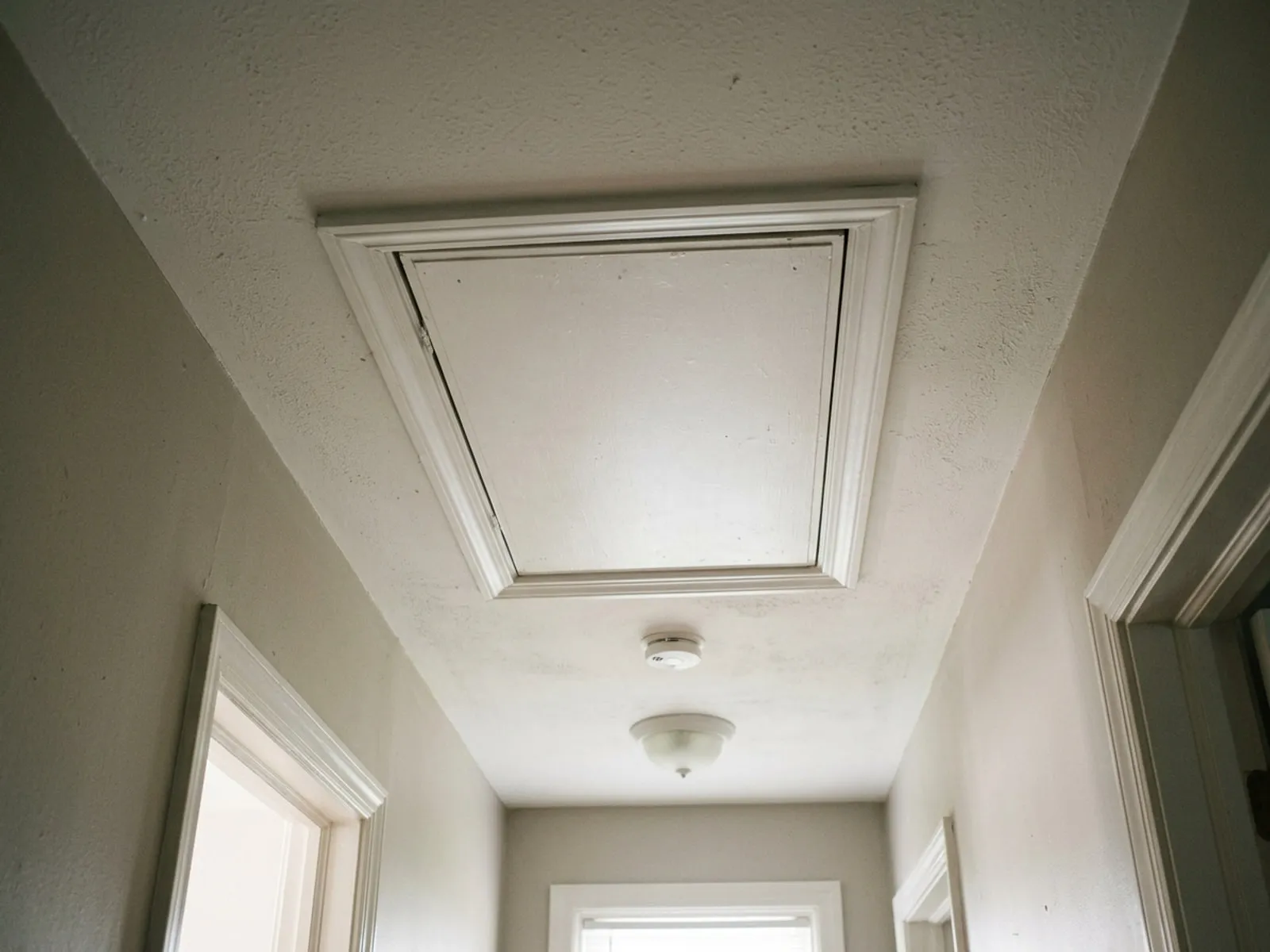
Recommended R-values by climate zone
ENERGY STAR’s table, based on IECC climate zones, gives these ranges, under the heading “Add the following insulation levels to your attic” (checked November 18, 2026):
| Climate zone | Uninsulated attic | Attic with 3 to 4 inches already | Floor over uninsulated basement or crawlspace |
|---|---|---|---|
| 1 | R30 to R49 | R25 to R30 | R13 |
| 2 | R30 to R60 | R25 to R38 | R13 to R19 |
| 3 | R30 to R60 | R25 to R38 | R19 to R25 |
| 4 | R38 to R60 | R38 | R25 to R30 |
| 5 to 8 | R49 to R60 | R38 to R49 | R25 to R30 |
The page shows a zone map; use it to find your zone. It gives no specific wall R-value but recommends that exterior walls have insulation and be fully filled. Local building codes may set different minimums, so check with your building department before a larger project.
What a careful homeowner can do, and what to hand off
Following the how-to guides is within reach for many households: weatherstripping doors, caulking around windows, and sealing small gaps. ENERGY STAR says you can follow its instructions yourself or hire qualified professionals (ENERGY STAR, Seal and Insulate, checked November 18, 2026).
Some jobs call for caution or a professional:
- Vermiculite in the attic. ENERGY STAR notes it may contain asbestos. Do not disturb it unless an approved lab has tested it, and contact your local health department about a lab.
- Attic work generally. Watch for nails poking through the ceiling or roof deck, and walk only on joists or truss chords.
- Electrical and combustion equipment. This guide does not teach work around wiring, gas appliances or flues. Leave that to licensed trades.
- A thorough diagnosis. ENERGY STAR suggests a comprehensive home energy audit if you want a more thorough evaluation; it can find hidden leaks, point to specific solutions and identify potential safety issues.
If you hire out the work, give each contractor the same written scope so quotes can be compared, as described in the guide to comparable quotes. Add insulation and sealing checks to your maintenance calendar.
Is a federal tax credit available in 2026?
For insulation and air sealing, not according to the IRS. Its Energy Efficient Home Improvement Credit page says the credit applies to qualifying property placed in service on or after January 1, 2023, and before December 31, 2025 (IRS, Energy Efficient Home Improvement Credit, checked November 18, 2026). Improvements placed in service in 2026 fall outside that window. State, local and utility programs may still exist; check them directly, and confirm tax questions with a tax professional.
Common questions
Should I insulate first if my attic looks thin? Seal the leaks first where you can, since insulation does not stop moving air.
Can I trust a single R-value number? Treat the table as ranges. Your zone, existing insulation and local code all matter.
Do I need an audit? Not for a simple draft near one window. For hard-to-find leaks or comfort problems across the house, an audit is worth considering.
Sources checked, all read November 18, 2026: ENERGY STAR, Seal and Insulate; ENERGY STAR, DIY checks and inspections; IRS, Energy Efficient Home Improvement Credit.