Get comparable contractor quotes by giving everyone the same brief
A scope-first contractor brief for checking what two proposals include, exclude and require from the household.

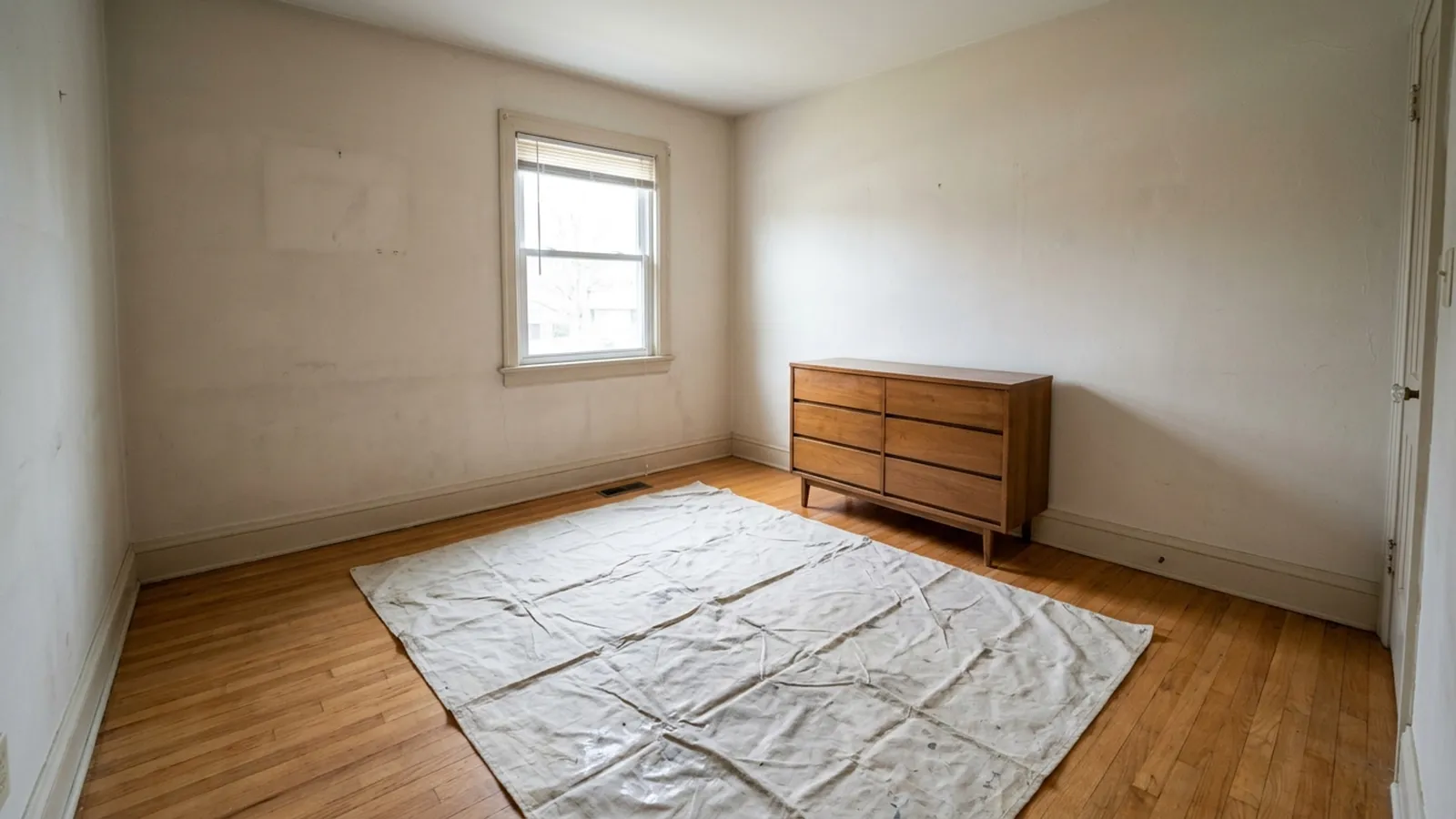
One contractor says “paint the room.” Another lists preparation, two coats, trim and cleanup. The totals may be different because the jobs are different.
Before choosing between proposals, give each contractor the same description of what you need. Then use the replies to clarify scope, responsibilities and unfinished questions. Household Hero’s part is making the job understandable; budgeting for it and negotiating the price are separate money decisions.
Describe the result without specifying a repair you cannot assess
For a low-risk planning example, imagine arranging interior painting of an ordinary bedroom. You want the walls repainted, furniture protected and the room usable again on an agreed day. You have not diagnosed damp, chosen a treatment for an unknown old coating or decided that cracks are purely cosmetic.
Your initial brief might read: “Please inspect the room and quote for repainting the walls, including the preparation you consider necessary. Identify anything that needs investigation before work, list exclusions, and say whether trim, materials, furniture moving and cleanup are included.”
Give dimensions or photographs if helpful, but label estimates as estimates. Ask the contractor to verify the scope. Describe unknown materials or damage as unknown; do not instruct someone to sand or remove a suspect coating simply to keep the quote moving. For covered paid work that disturbs paint in pre-1978 housing, EPA’s Renovation, Repair and Painting rules require certified firms and appropriately trained workers. Exemptions and EPA-authorized state or Tribal programs can affect the requirements. Ask the firm how the rules apply to your project and verify the relevant lead-safe certification. EPA lead renovation, repair and painting rule.
Give everyone the same written brief
A short brief can contain the rooms or items involved, the outcome, access constraints, preferred timing, what you can move, and questions about materials or approvals.
The FTC advises getting multiple written estimates covering the work, materials, completion date and price. It also recommends verifying licensing with the relevant state or county authority and asking for insurance evidence. Use the official authority for the work and location, rather than treating a website badge as verification. FTC contractor guidance.
Keep a dated copy of the brief you sent. If a site visit changes the scope, send the same clarification to the other contractors before comparing their replies.
Compare the scope before comparing the total
These are invented proposal summaries for the same bedroom. They demonstrate questions to ask; they do not describe real contractors or typical industry terms.
| Item | Proposal A | Proposal B | Clarification needed |
|---|---|---|---|
| Wall preparation | “Preparation included” | Listed preparation steps after inspection | Ask A to specify the work and both to identify unresolved conditions |
| Materials | Paint included, product unspecified | Product and finish named | Confirm equivalent intended finish and suitability |
| Trim | Not mentioned | Excluded | Decide whether trim is part of the household’s brief |
| Furniture and floor protection | Resident moves furniture | Moving and protection described | Agree who does what before the start |
| Cleanup | “Tidy on completion” | Waste removal and final walkthrough listed | Agree the completion standard |
| Changes discovered during work | Not explained | Written approval before added work | Obtain a clear variation process from both |
The missing information is the result of this first comparison. A tidy table does not make either contractor suitable; it tells you what needs answering before the prices can be understood.

Record permissions and access responsibilities
Ask who determines whether approvals or permits are required, who obtains them, and how you will receive the relevant records. The FTC lists a contractor asking you to get the required building permits as a warning sign. Requirements depend on the location and work. Do not assume your small planning example establishes the rules for a different project.
Agree when people can enter, who will be home, how keys or access will be handled, and what happens if the timetable slips. Raise pets, accessibility needs and rooms that must remain usable. Leave sensitive security details out of a widely forwarded quote request.
For electrical, gas, structural, roofing or potentially hazardous-material work, use appropriately qualified professionals. This brief is a way to ask questions, not instructions to design or perform those jobs.
Turn the agreed scope into the contract
Before signing, check that the written agreement reflects the final scope, exclusions, timing and any oral promises you relied on. Ask what the warranty covers, who provides it and how a problem is reported.
The FTC warns against paying the whole project price upfront and notes that deposit limits and contract requirements vary by state. Check the relevant local consumer authority for the rules that apply; there is no universal deposit percentage in this guide. The FTC also advises holding the final payment until the work is done and you are satisfied. For certain in-person sales at home or a seller’s temporary location, its Cooling-Off Rule gives three business days to cancel. Not every sale qualifies: exceptions include emergency work and transactions made entirely online or by phone. Check whether the federal rule and any state cancellation rights apply to your actual contract. FTC Cooling-Off Rule guidance. FTC contract and payment guidance.
Ask how additional work is priced and approved. “We found something” should lead to an explanation and agreed change, not an assumption that the household authorized any extra amount.
Keep the completion record
At the agreed walkthrough, use the written scope to identify completed work and unresolved items. Save the contract, agreed variations, invoices and warranty details together. Add any follow-up care to the maintenance calendar for your own home.
For preparing the money, Money Master explains setting aside funds for irregular expenses. Before committing to a larger discretionary project, Make Money, Travel More’s spend-smarter checklist can help you examine the purchase decision.
Sources
- Federal Trade Commission: avoiding home improvement scams, estimates, contracts and payments. Location-specific licensing, permits and contract rules must be checked with the relevant authority.
- FTC: Cooling-Off Rule scope and exceptions.
- EPA: lead renovation, repair and painting program, for homes built before 1978.