Build a maintenance calendar for the home you actually have
A renter or owner task calendar based on equipment manuals and local climate

A maintenance checklist that starts with a swimming pool is not much use to someone renting an apartment. A reminder to service a furnace is wrong for a home that does not have one.
Build your calendar from your own home: the equipment present, the instructions for it, the person responsible, and the conditions where you live. The aim is to know what needs attention and how to arrange it before a small observation disappears into the week’s other jobs.
List what you actually have
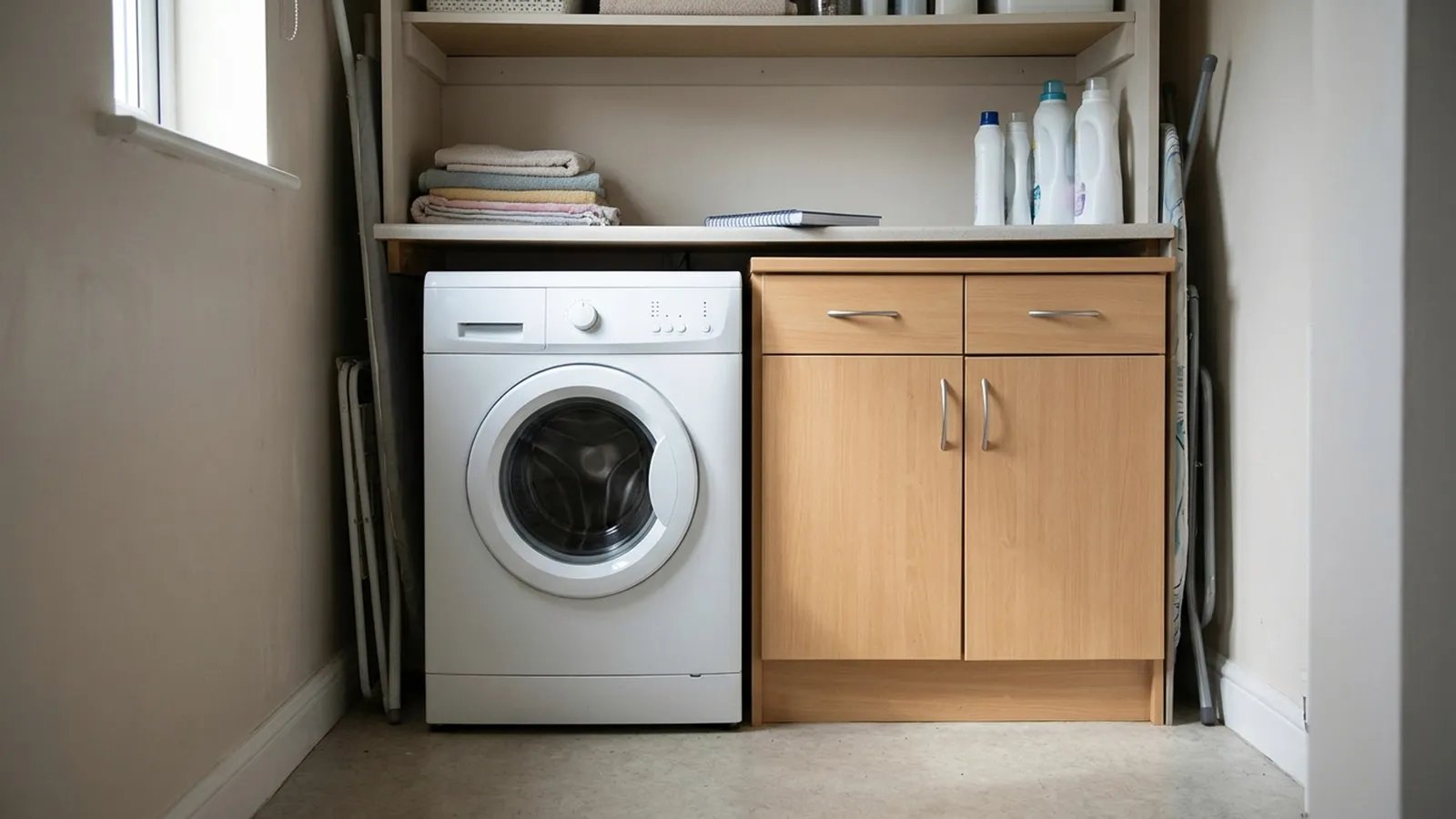
Start with the equipment you depend on: heating and cooling, hot water, major kitchen appliances, laundry equipment, and any alarms or other safety equipment. For an owner, exterior features and shared-building responsibilities may need a separate section.
Record the model, manual location, service contact, last known work and responsible person. If a detail is unknown, write “find the manual” as the next action. Do not fill the gap with an interval copied from a different product.
For renters, read the agreement and ask the landlord or manager which routine tasks are yours and how repairs should be reported. Record the answer. Responsibilities depend on the agreement and applicable law; a generic checklist cannot allocate them for every tenancy.
Build a calendar with three kinds of task
Separate ordinary observations, manufacturer-authorized user tasks, and professional work. This keeps “notice a new drip” distinct from “repair the plumbing.”
Here is a planning example for a home with a dishwasher and a heat pump. It is a layout to adapt, not a service schedule for those products.
| Item | Calendar entry | Who acts | What closes the task |
|---|---|---|---|
| Heat pump | Find the exact model’s user-care instructions | Household organizer | Manual saved and user tasks identified |
| Heating and cooling service | Book the contractor’s agreed visit | Owner or responsible manager | Service report and next recommendation saved |
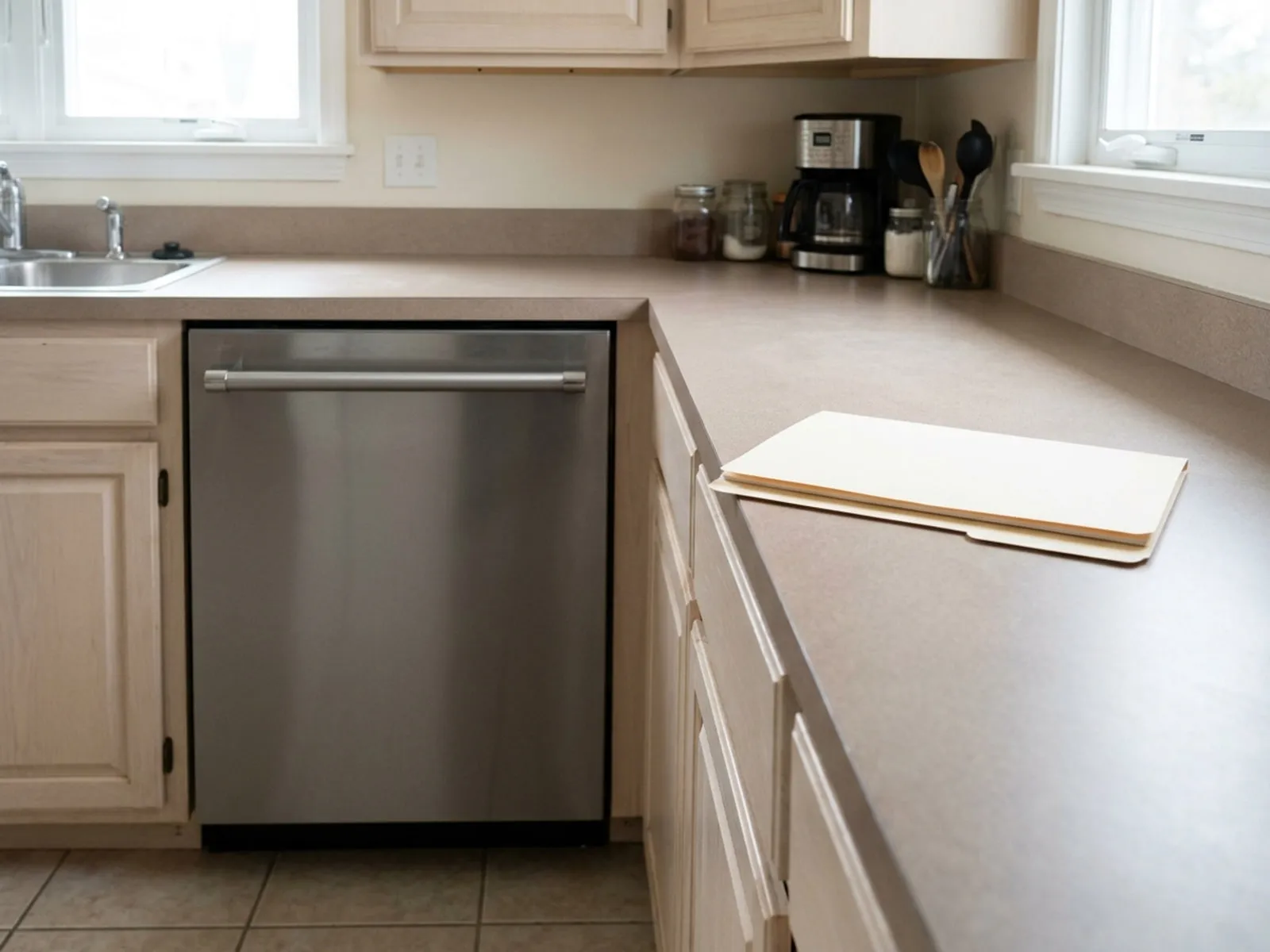
| Dishwasher | Check the manual for permitted filter care | Responsible resident | Task completed as instructed, or help arranged |
| New water mark under a sink | Record and report when noticed | Resident | Responsible repairer responds and issue is followed up |
| Safety equipment | Record required tests and replacement dates from its instructions | Agreed responsible person | Dates entered and responsibility confirmed |
A new leak or safety concern does not wait for a seasonal review. Use your building’s urgent reporting procedure or the relevant emergency service when appropriate. The calendar is for planned care, not permission to delay an active problem.
Choose intervals from instructions and service advice
A maintenance reminder needs a reason: the product manual, installer guidance, service report, warranty requirement, or a relevant local condition. Save that reason beside the task so next year’s reminder still makes sense.
ENERGY STAR recommends contractor heating and cooling checkups before the relevant season, commonly cooling in spring and heating in fall. That is useful planning guidance, but it does not replace the requirements of your equipment or climate. Its checklist includes electrical, refrigerant and combustion checks for contractors. Those are not tasks to attempt because they appear on a maintenance list. ENERGY STAR maintenance checklist.
For a user-accessible filter or other permitted task, follow the exact equipment instructions and get a demonstration if you need one. ENERGY STAR’s checklist suggests inspecting a heating or cooling filter monthly; the equipment’s own instructions say how, and how often, to clean or replace it. Do not open electrical equipment, handle refrigerant, adjust gas components or climb onto a roof to complete this calendar.
Write reminders that lead to an action
“Home maintenance” is easy to dismiss. “Call the heat-pump service company and ask for available appointments” tells you what to do.
Attach the service contact and model details to the reminder. Add a follow-up if a contractor needs to send a quote, a manager needs to approve access, or a part is on order. Mark the job complete when you have the outcome, not merely when someone has made a call.
After a visit, save the report, invoice, work performed and any recommended next step. Ask the contractor to distinguish urgent safety issues, repairs to prevent damage, and optional improvements. If the explanation is unclear, ask for it in writing before agreeing to additional work.
Review for seasons, absences and changes
A short seasonal review is a chance to ask what has changed. A new appliance needs an entry. Equipment you no longer own should lose its reminders. A long absence may need someone to observe the home and know whom to contact.
For that last situation, RESTED’s care plan for a home left empty covers the handover around a longer trip. Check your own policy and tenancy conditions as part of that planning.
If the review identifies a future replacement or repair cost, record the estimate and timing here. Money Master’s emergency-fund guide handles the separate question of how to hold money for unexpected expenses.
Your finished calendar should fit the home you occupy and the jobs you are responsible for. It can start small: one equipment record, one clear reminder, and one service report saved where you can find it.
Sources
- ENERGY STAR: heating and cooling maintenance checklist. Product-specific work and timing must be checked against the actual manual and responsible service provider.