Start with a home energy assessment before buying equipment
An assessor-preparation checklist and problem-priority list

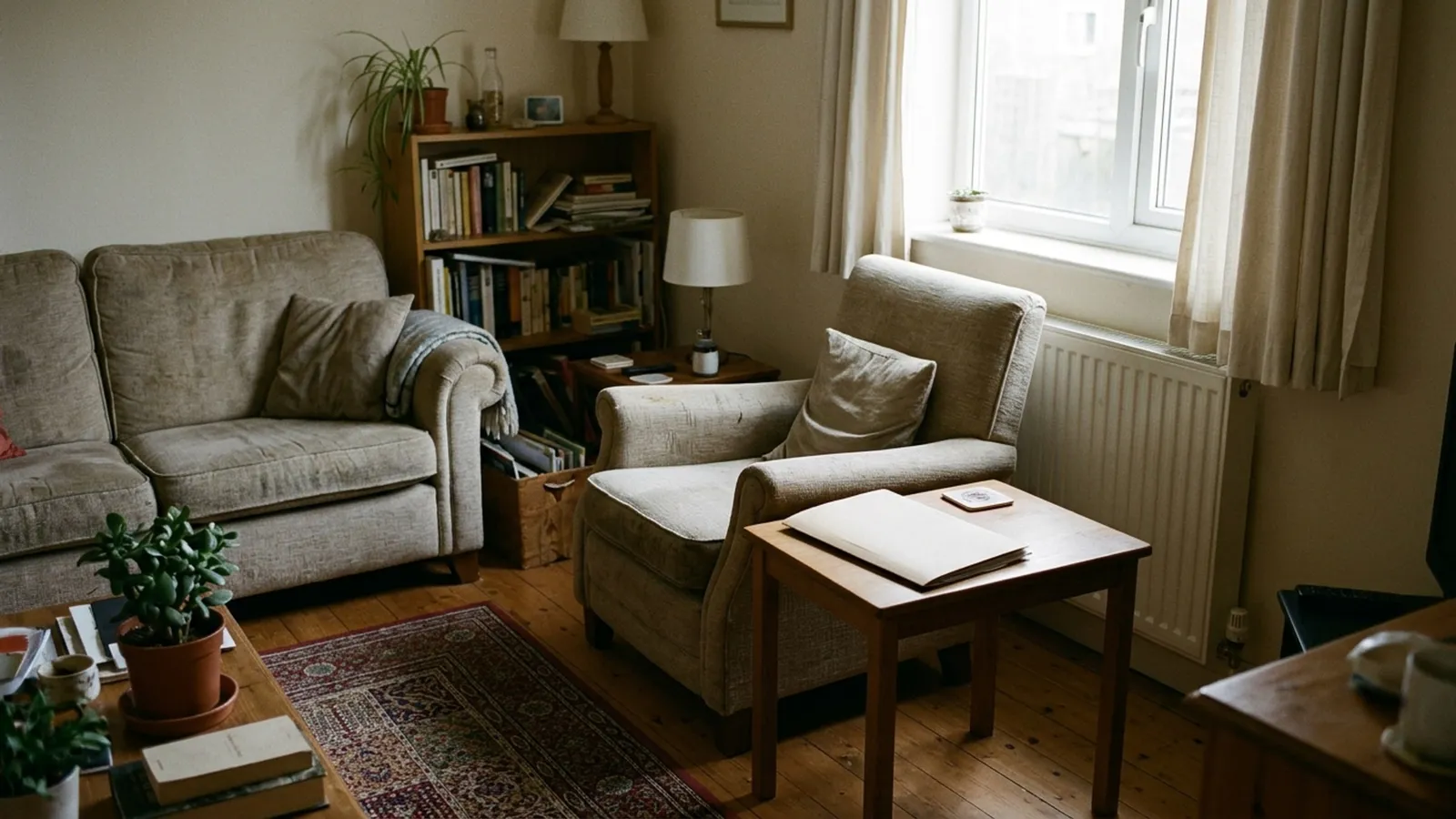
The back bedroom is uncomfortable, the electricity bill is higher, and advertisements suggest three different upgrades. You could ask for prices on all three. First, it is worth finding out what problem each would solve in your home.
A home energy assessment gives you a basis for that conversation. Prepare it around your household’s actual discomfort, equipment and bills, then ask for findings that distinguish observations, measurements, assumptions and proposed work.
Write down the problem before the product
Imagine a household with a cold back bedroom in winter and a warm living room on summer afternoons. They are considering new windows, a heat pump and solar panels. At this stage, they do not know which improvement addresses which complaint.
Their brief could be: “We want to understand the temperature differences between rooms and the reasons for our energy use before choosing equipment.” That is more useful than asking three sellers whether their products save money.
Record when and where the problem occurs, which rooms are occupied, and anything that has changed. You can describe what you experience without diagnosing a building fault. “The room feels cold each morning” is an observation. “The insulation has failed” is a conclusion that needs evidence.
Gather a small assessment pack
Put recent bills, the rate-plan name, equipment details and previous service reports in one folder. A year of available bills can help show seasonal patterns; do not delay an urgent equipment or safety concern while trying to assemble a perfect dataset.
| What to gather | What it helps you ask |
|---|---|
| Bills with dates and usage | Has usage changed, or mainly the amount charged? |
| Notes on uncomfortable rooms | When does the problem occur, and what should be examined? |
| Heating, cooling and hot-water model details | What equipment is actually present? |
| Previous repairs or proposed quotes | What has already been investigated or assumed? |
| Occupancy and planned changes | Would the recommendation fit how we expect to use the home? |
| Ownership or tenancy constraints | Who can authorize assessment access and any later work? |
For renters, agree access and proposed investigations with the landlord or responsible manager. Ask about available utility services, but do not assume an assessment entitles you to alter the building.

Ask what the assessment includes
An online usage summary, a visual walkthrough and an equipment-based professional assessment are different scopes. Before booking, ask what is included, what it costs, who performs it and what written findings you receive.
DOE’s consumer guide describes professional assessments using measurements and equipment, with techniques such as blower-door tests and infrared imaging. It recommends preparing recent bills and a list of problems such as uncomfortable rooms or condensation, and advises using a certified assessor, found through your electric or gas utility or your state or local government energy or weatherization office. Ask which methods are appropriate and included for your home; do not assume every visit contains every test. DOE assessment guide.
Ask who pays the assessor, what certification they hold, and whether they also sell installation work. Ask whether any assessment discount depends on hiring the same contractor for later work, and compare the assessment fee and proposed installation separately. A sales proposal may contain useful information, but you still need to know how its recommendations were reached and what alternatives were considered.
Turn the findings into a sequence of decisions
Return to the household with uneven room temperatures. Suppose the assessment recommends further investigation of airflow and identifies some building-envelope work. Those are hypothetical findings, not a diagnosis of your home.
The household’s next questions are practical: which issue needs attention first, what requires another specialist, and would completing one job affect the design or value of another? Ask for the reasons behind the proposed order.
Request a written distinction between essential repairs, work intended to improve comfort, and optional improvements aimed at reducing usage. For each proposed measure, ask what evidence supports it and how success could be checked. “The bedroom maintains the agreed temperature” and “annual energy use falls under comparable conditions” are different outcomes.
Leave electrical, gas, refrigerant, structural and roof work to appropriately qualified professionals. Do not improvise diagnostic procedures or interfere with ventilation or combustion equipment to imitate an assessment.
Keep a savings estimate separate from a guarantee
If a report estimates savings, ask for its baseline, tariff, household-use assumptions and the work included. Ask whether costs include necessary associated work, permits, disposal or other quoted items. An estimate based on different occupancy or prices may not describe your result.
Check the current eligibility and conditions of any proposed incentive before counting it. An amount shown in a quotation is a prompt to verify the program, not evidence that your household qualifies.
Record the findings, proposed sequence, unresolved questions and next action. For money set aside for repairs or later replacement, Money Master’s monthly planning for irregular expenses handles the funding side. If the next step is a significant purchase, Make Money, Travel More’s spend-smarter checklist helps test the buying decision.
The first useful purchase may be better information. You can then compare proposals against a defined problem, rather than choosing equipment before you know what the home needs.
Sources
- U.S. Department of Energy: Consumer Guide to Home Energy Assessments, professional-assessment section. Assessment scope and current local programs must be confirmed with the provider.