EV home charging: Level 1 or Level 2, and what to check before installing
How to tell whether an ordinary outlet will cover your daily driving, when a Level 2 charger is worth considering, and what an electrician should check first.

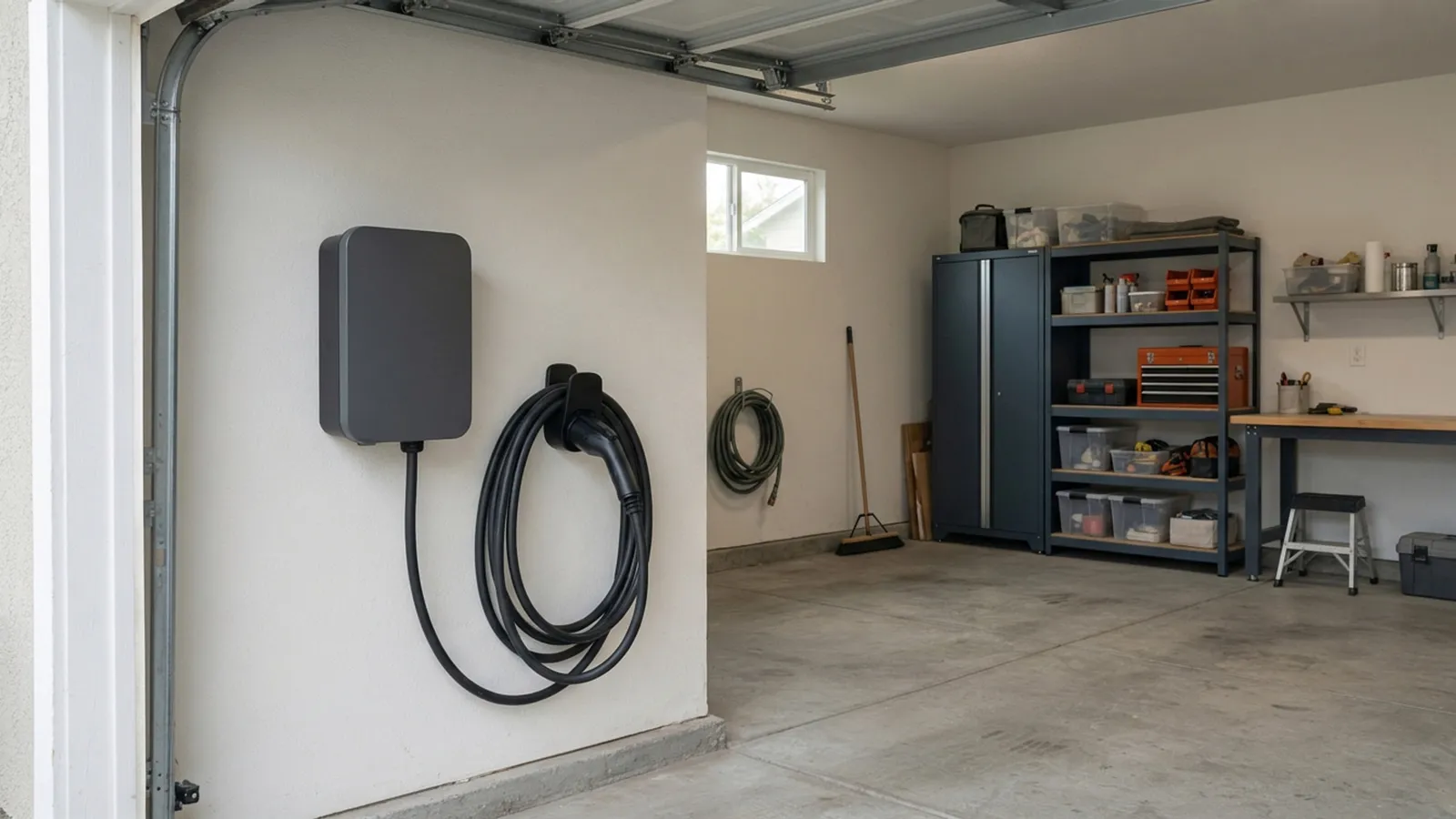
If you are bringing an electric vehicle home, the first question is not which charger to buy. It is how much driving you need to replace each night, and how long the car sits parked. Those two facts decide whether the outlet you already have is enough.
This guide explains the two home charging levels, how to test your own situation, and what to ask an electrician before paying for an installation.
What Level 1 and Level 2 mean
The U.S. Department of Energy’s Alternative Fuels Data Center describes home charging as overnight charging with AC Level 1 or AC Level 2 equipment (AFDC, checked November 18, 2026).
Level 1 uses a power outlet on a dedicated branch circuit near where you park. The AFDC says many EV owners can meet their daily driving needs with Level 1 overnight, with no additional cost or installation, when such an outlet is available.
Level 2 is 240-volt charging equipment, installed for a faster charge. The AFDC notes that a qualified electrician can add circuits to supply the capacity Level 2 needs.
The AFDC page does not give a charging speed for either level, and speeds depend on the vehicle and the equipment. For the number that matters to you, use your vehicle manual or manufacturer and the charging equipment’s own specifications.
Start with your own driving, not the charger
A simple test uses numbers you already have or can find.
First, estimate how far you drive on a typical day. Your odometer history or a week of notes will do. Second, find out how much range your vehicle’s manufacturer says an hour of charging on each level adds. Third, count the hours the car is usually parked at home overnight.
Multiply the hours parked by the hourly range at Level 1. If the result comfortably exceeds your daily driving, a Level 1 outlet may be all you need.
Here is an invented example with hypothetical figures only. A household drives 30 miles on a typical day, the car sits at home for 12 hours overnight, and the manufacturer says Level 1 adds 4 miles per hour. Twelve hours at 4 miles is 48 miles, which covers 30 with room to spare. A different car, a longer commute or a colder climate could change that answer.
When Level 2 is worth considering
The AFDC says Level 2 can suit drivers with longer commutes, irregular schedules, or large batteries that need more than an overnight stay to charge fully.
Other situations to weigh are two drivers sharing one car’s charging window, or a car that often needs a quick top-up between trips. Faster charging is a convenience as much as a need, so it helps to be honest about which one it is for your household.
If your daily driving is modest, you may also want to start with Level 1 and see how it works before committing to an installation. That keeps the decision reversible.
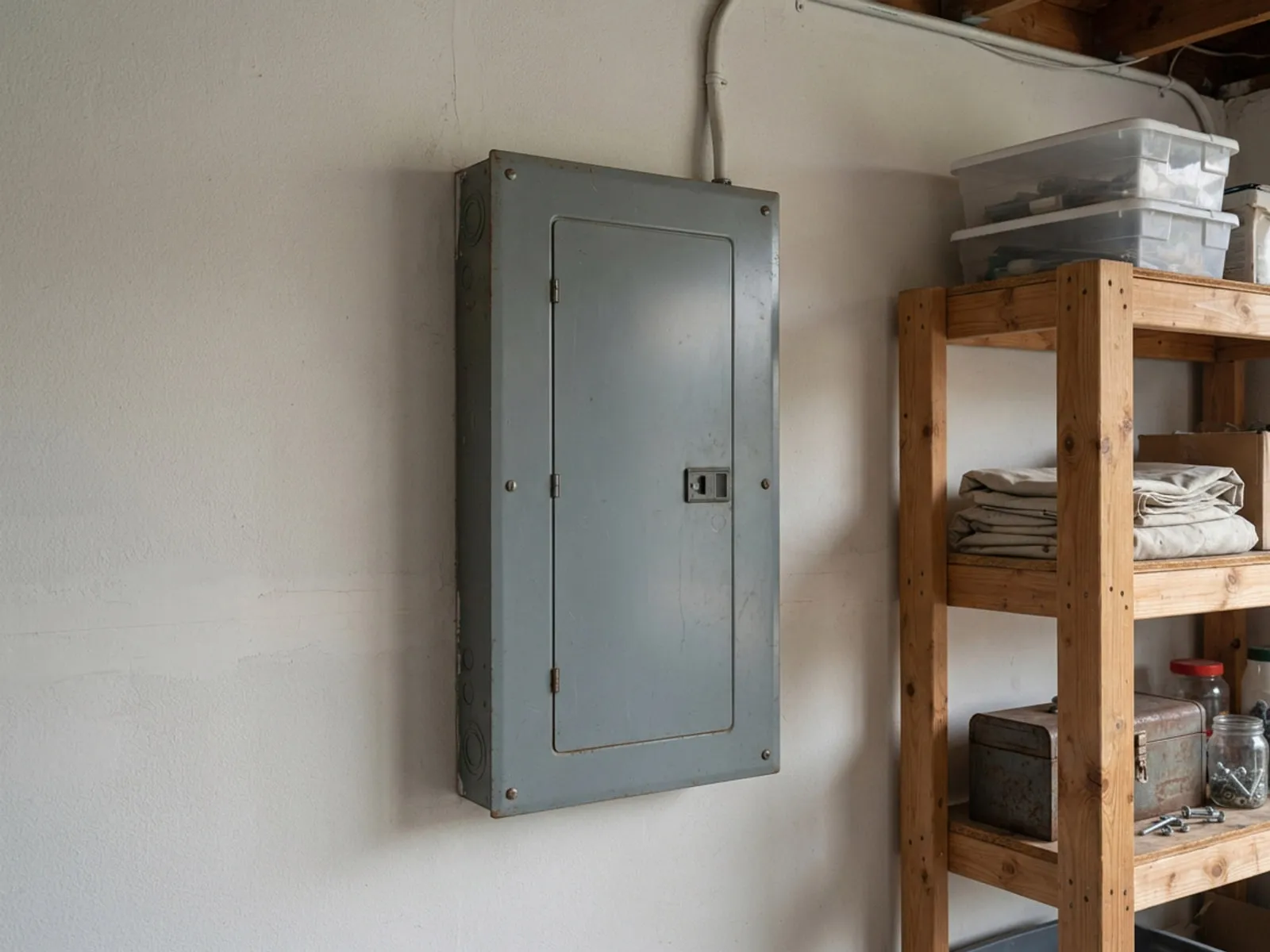
What to check before installing Level 2
A Level 2 charger is electrical work. Follow the AFDC’s guidance to use a certified electrical contractor who follows the appropriate National Electrical Code requirements. The AFDC says Article 625 covers most charging-equipment requirements and that EV charging is treated as a continuous load.
Questions worth putting to the electrician:
- Does your home’s electrical service and panel have enough spare capacity? The AFDC says an electrician can tell you whether your home has adequate capacity, and that some homes may lack enough for Level 2.
- Where would the charger go, and how far is that from the panel? Ask how that affects the scope of the work.
- Does the job need a permit, and who pulls it? The AFDC says local and state codes apply, permits may be required, and in many areas a site installation plan must be approved first.
- What exactly is in the quote: equipment, circuit, panel work, permit and inspection?
If you rent or live in a condominium, the owner or association may have to approve any wiring. Ask before getting quotes.
Electrical work is a licensed-professional job. This guide does not teach it. For comparing bids, giving every contractor the same brief makes the quotes comparable, though that guide is general rather than specific to chargers.
Check what charging does to your bill
Charging adds to your electricity use, and what it costs depends on your rates. The AFDC says residential costs depend on the equipment type, the time of day and how long the charger runs, and that some utilities offer time-of-use rates or other incentives for people who own charging equipment.
The AFDC gives one worked example at a stated rate of 10.7 cents per kWh. That is an illustration from the agency, not your rate. Your own rate is on your bill, and reading your electricity bill shows where to find it. If your utility offers time-of-use pricing, comparing your own usage under two tariffs shows how to test whether charging at certain hours would change the cost.
Incentives: check, don’t assume
The AFDC says state and utility incentives may help offset the cost of charging equipment. Eligibility, amounts and deadlines change and differ by state and utility, and this guide does not state any. Check with your utility and your state energy office before you buy, because some programs require pre-approval or particular equipment.
For how to pay for the installation or fit it into your budget, Money Master at moneymaster.fyi covers the money side.
A short decision path
- Work out your daily mileage and overnight parking hours.
- Use the manufacturer’s Level 1 figure to see whether an outlet on a dedicated circuit covers it.
- If it does, consider starting there.
- If it does not, or you want faster charging, ask a certified electrician to assess capacity, permits and the full quote.
- Check utility rates and incentives before you commit.
Common questions
Do I need a Level 2 charger? Not necessarily. The AFDC says many owners meet daily needs with Level 1. Your mileage, parking hours and vehicle decide.
Can any outlet work for Level 1? The AFDC describes a power outlet on a dedicated branch circuit near the parking spot. Have an electrician confirm that the outlet and circuit are suitable.
Will my panel handle Level 2? It depends. The AFDC says some homes may lack the capacity, and an electrician can assess it.
Do I need a permit? The AFDC says permits may be required by local and state authorities. Ask your local building department or your electrician.
Sources checked November 18, 2026: U.S. Department of Energy, Alternative Fuels Data Center: Charging at Home.