Is your home a candidate for solar? Gather the inputs before asking for savings
A readiness brief covering the roof, shade, usage, utility terms and ownership before evaluating a solar proposal.

A solar advertisement can jump straight from your electricity bill to a monthly payment. Before comparing that payment, establish whether the proposed system fits the home, the roof, the household and the utility arrangement.
Prepare a short readiness brief. You do not have to decide on a brand, system size or battery at this stage. You need enough reliable information for an appropriately qualified installer to assess the property and explain its proposal.
Begin with the home you expect to use
Record who owns the property, who can authorize work and whether there are association or other approval requirements to investigate. If you rent, ask what options the owner would actually consider rather than commissioning work on an assumed permission.
Note your expected time in the home and any likely changes in electricity use. A new electric vehicle, different occupancy or planned heating change belongs in the discussion, clearly separated from equipment already in use.
If the starting problem is an uncomfortable room or unexplained energy use, read the home energy assessment guide first. Solar generation and fixing the cause of discomfort are different jobs.
Gather roof and usage facts without climbing
DOE’s consumer solar guide identifies roof suitability, location, orientation, shade and electricity needs as relevant inputs. It distinguishes remote estimates from an installer’s detailed evaluation and names roofing or structural professionals as possible assessors of roof suitability. DOE solar preparation guide.
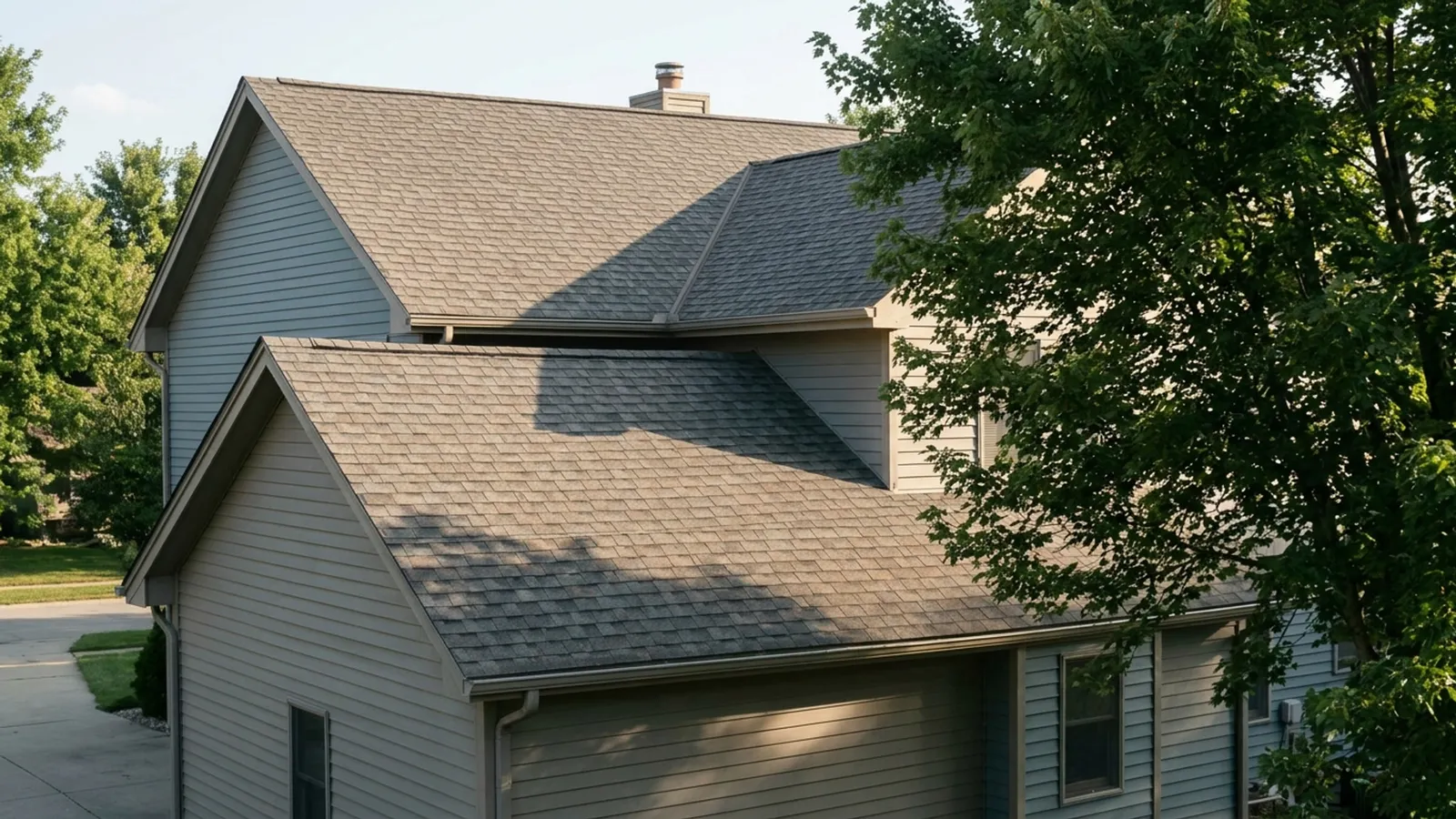
Collect existing roof records and previous reports if available. Write down known age or recent work, but mark unknowns as unknown. Do not climb onto a roof, open electrical equipment or decide that a roof can bear a system from a photograph.
Gather available bills covering seasonal use, the current tariff name and any accessible interval data. Ask the installer which additional information is needed. Annual kWh is useful, but the timing of imports and generation also belongs in the model.
Give every proposal the same input pack
An invented household is considering rooftop solar while planning a possible heat-pump change. Its current usage is known; the future heat pump is not selected. The brief should preserve that distinction.
| Input | What the household knows | What still needs checking |
|---|---|---|
| Roof | A previous roof-work invoice exists | Condition, remaining life and suitability for the proposed installation |
| Current electricity | Bills and rate-plan name are available | Interval data, applicable tariff version and treatment of exports |
| Future equipment | A heat pump is being considered | Whether it will happen and how its usage should be estimated |
| Shade | A large nearby tree is visible | Professional assessment of its effect; no assumed right to remove it |
| Ownership | Household owns the home | Any approval, insurer or financing conditions relevant to the project |
| Project scope | Rooftop generation is being considered | Whether a battery or backup function is actually needed and separately quoted |
This example does not establish suitability or savings. It prevents a seller from quietly treating a possible future purchase as an existing fact.

Ask the utility questions before assuming a zero bill
Ask which import tariff would apply, what happens to electricity exported to the grid, which charges remain, and what approval or interconnection process is required. Get the applicable documents rather than relying on a verbal description of “net metering.”
Ask how the proposal handles seasonal generation, your usage pattern and any future tariff assumption. Identify which figures are measured, modeled or simply assumed. A yearly generation estimate is not by itself a calculation of the money saved on your particular bill.
If backup power matters, state the loads and circumstances you want to discuss and ask for a qualified explanation of the proposed design. Do not infer that a proposal provides outage backup because it includes solar panels or a battery in its name. Leave electrical design and safety to appropriately qualified professionals.
Keep ownership, project cost and incentives separate
Ask whether you would own the system, borrow to buy it, lease it or buy the electricity under an agreement. Request the complete cash price and the separate contractual obligations for the proposed arrangement. Do not decide from a monthly payment alone.
Have any claimed incentive listed separately, including the program, eligible recipient, current conditions and who verifies them. For a new 2026 installation, do not count the federal homeowner Residential Clean Energy Credit in the proposal. The IRS says the credit is unavailable for property placed in service after December 31, 2025, and cannot be claimed for expenditures made after that date. This restriction on new work is distinct from carrying forward an unused credit from an earlier qualifying installation. IRS residential clean energy credit, Form 5695 instructions. If a quotation still shows a federal tax credit, ask exactly which credit it means and who would receive it. Older solar guides and historic advertising are not evidence that an incentive applies to a new installation.
This guide does not calculate a tax benefit, financing return or recommended purchase price. Money Master handles the deeper funding and price-comparison questions. Its irregular-expense planning guide is a starting point for project funds; Make Money, Travel More’s purchase checklist helps examine the commitment before signing.
Finish with a readiness decision
Your next step might be a roof assessment, an equipment or usage decision, a utility question, or a properly scoped installer visit. “Not enough information yet” is a useful result if it identifies the missing fact and who can supply it.
Save the input pack and send the same version to each provider. A proposal can then be judged against your actual household rather than against a sales example built for somebody else.
Sources
- U.S. Department of Energy: consumer solar preparation, dated August 4, 2021; used for technical preparation, not its historic incentive discussion.
- IRS: residential clean energy credit and Form 5695 instructions (2025): the credit ended for property placed in service, and expenditures made, after December 31, 2025. No tax credit is assumed or calculated here.