Portable generators and backup power: carbon monoxide, placement and transfer switches
If the power goes out, a portable generator can help, and it can also kill. Where to put it, what alarms you need and why wiring it to the house is an electrician's job.

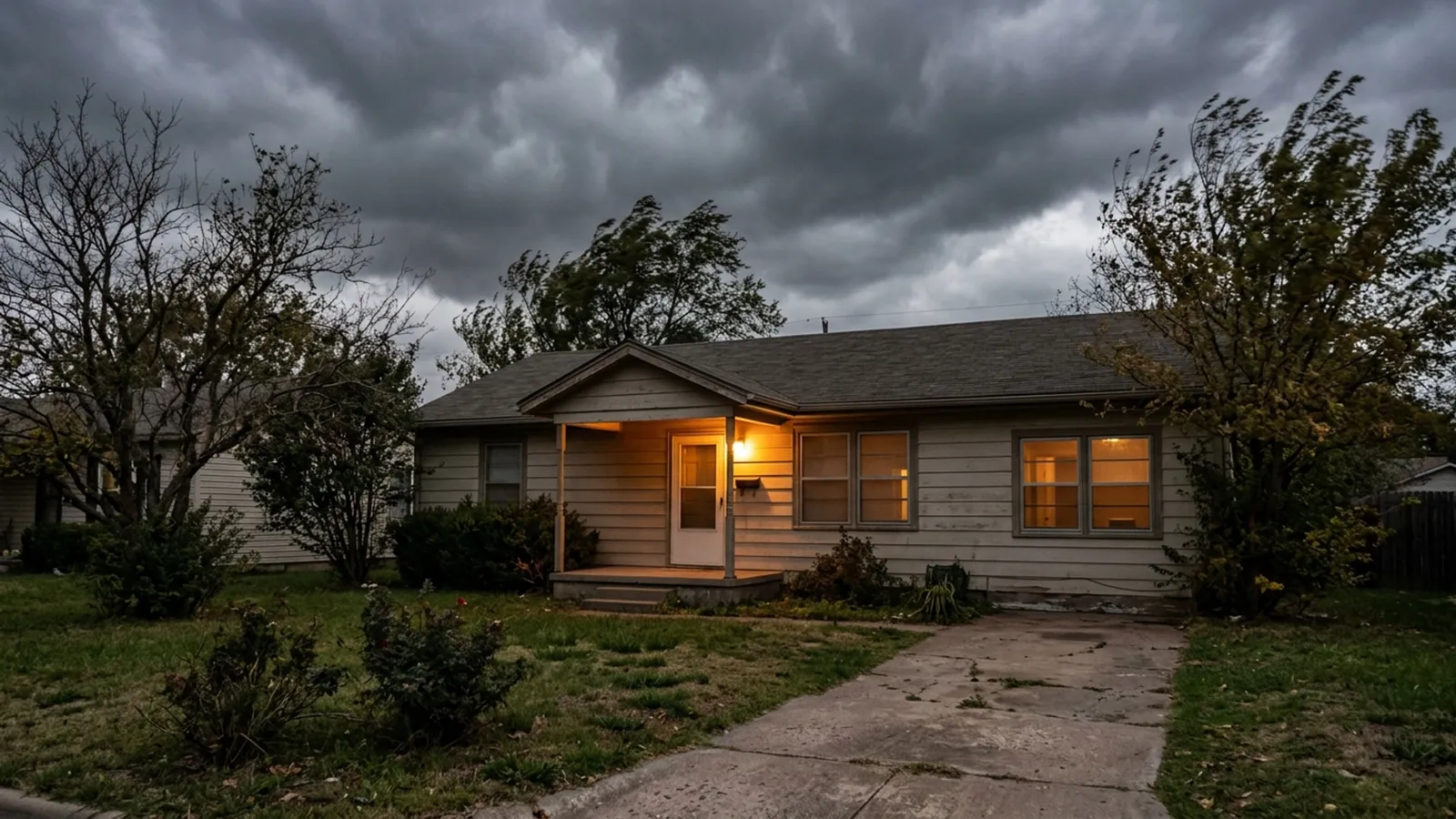
A storm takes out the power for two days. A portable generator can keep a refrigerator and a few lights running, but it makes carbon monoxide, and the danger is greatest exactly when people are cold, tired and tempted to move it closer to the house.
This guide covers the safety rules from official sources, and explains where a transfer switch fits and why that part belongs to a licensed electrician.
Carbon monoxide is the main danger
The Consumer Product Safety Commission says portable generators are “one of the leading causes of post-storm carbon monoxide deaths” (CPSC, May 27, 2026 release, checked November 18, 2026). Carbon monoxide is a colorless, odorless gas, so you cannot rely on noticing it.
If a CO alarm sounds, CPSC says to get outside and call 911.
Where to put the generator
CPSC says to operate generators outdoors only, at least 20 feet from homes and buildings, with the exhaust pointed away from windows, doors and vents. Ready.gov gives the same 20-foot distance from windows, doors and attached garages (Ready.gov, Power Outages, checked November 18, 2026).
CPSC also says to keep generators out of enclosed spaces, including garages, basements and sheds, even with doors or windows open. An open garage door does not make a garage a safe place. Treat 20 feet as a minimum and follow the manufacturer’s instructions for your model.
Ready.gov adds that a generator must be kept dry and protected from rain or flooding, because touching a wet generator or connected devices can cause electric shock. Let the generator cool before refueling, since fuel spilled on hot engine parts can ignite.

Alarms are not optional
CPSC recommends battery-operated or battery-backup CO and smoke alarms on every level of the home and outside sleeping areas, with smoke alarms inside each bedroom. Interconnected alarms are best, and alarms should be tested monthly. Ready.gov also recommends battery-backup CO detectors on every level.
Check the alarms before storm season, not during the outage. Add it to your home maintenance calendar alongside changing batteries.
Look for a CO shut-off feature
CPSC advises looking for a generator with a feature that shuts the unit off automatically when dangerous CO levels build nearby. It says to look for models certified to PGMA G300-2023 and UL 2201-2023, and that UL 2201 certified models also have reduced CO emissions.
If you already own an older generator, the placement rules matter even more, because it is unlikely to have this feature. Check the label and manual to see what yours has.
Powering things: cords first
Ready.gov says to connect appliances to the generator with heavy-duty extension cords. That is the simplest approach: run the refrigerator, a few lamps or a phone charger on cords from the outdoor unit.
Cords have limits. They run through a door or window gap, so keep the generator far enough away and keep the opening from becoming a route for exhaust. Do not cover or enclose the generator to shield it from weather.
Ready.gov also advises turning off or unplugging appliances and electronics during an outage, because power may return with surges that can damage them.
What a transfer switch is for
A transfer switch is a device, installed by an electrician, that is meant to let a generator supply selected house circuits without a loose cord. People often ask about it because they want lights and a furnace fan to work without cords.
The two official pages this guide draws on, CPSC’s May 2026 release and Ready.gov’s power-outage page, do not mention transfer switches, so this guide describes the device only in general terms and does not explain how one is installed, rated or approved. That work is for a licensed electrician.
The firm rule is that you should not improvise a connection to house wiring. Plugging a generator into a wall outlet, or into a homemade cable, is an unsafe shortcut. Anything that feeds a house’s circuits belongs to a licensed electrician, who can tell you what your local code and your utility require. Confirm the details with them and with your utility before buying equipment.
If you decide to ask for a quote, give electricians the same written brief so the proposals compare: which circuits you want powered, the size of the generator you own or plan to buy, and who handles permits. Our contractor-quote guide shows the format.
Food and medicine during an outage
Ready.gov says a refrigerator keeps food cold for about four hours if kept closed, and a full freezer for about 48 hours. Use a thermometer, discard food at 40°F or higher, and after power returns, discard food that was at 40°F or higher for two hours or more. It says refrigerated medication should be discarded if the outage lasts more than a day unless the label says otherwise, and to check with a doctor or pharmacist. Make plans in advance for power-dependent medical devices, and go to a community location with power if heat or cold is extreme.
A generator is one option for refrigeration, not the only one. Coolers and ice cover short outages.
A short pre-storm checklist
- Place CO alarms on every level and test them.
- Decide where the generator will sit, at least 20 feet from the house.
- Buy heavy-duty extension cords of the right length and fuel stored as the manual says.
- Know which items you will power and in what order.
- Ask a licensed electrician about a transfer switch or inlet only if you want house circuits powered.
Common questions
Can I run a generator in the garage with the door open? CPSC says to keep generators out of garages, basements and sheds even with doors or windows open.
Is 20 feet a guarantee of safety? No. It is the distance the agencies give, and exhaust direction, wind and the manufacturer’s instructions still matter. Keep alarms working.
Can I use a camp stove or gas oven for heat? Ready.gov says not to use a gas stove or oven to heat a home, and to use camp stoves and charcoal grills only outdoors.
Sources checked November 18, 2026: CPSC news release, May 27, 2026; Ready.gov, Power Outages. General safety information, not electrical advice; use a licensed electrician for any work on house wiring.