Compare two HVAC replacement proposals beyond the equipment price
A way to compare two heating and cooling replacement proposals on sizing, ducts, scope, warranty and verification, so the totals can be read for what they actually include.

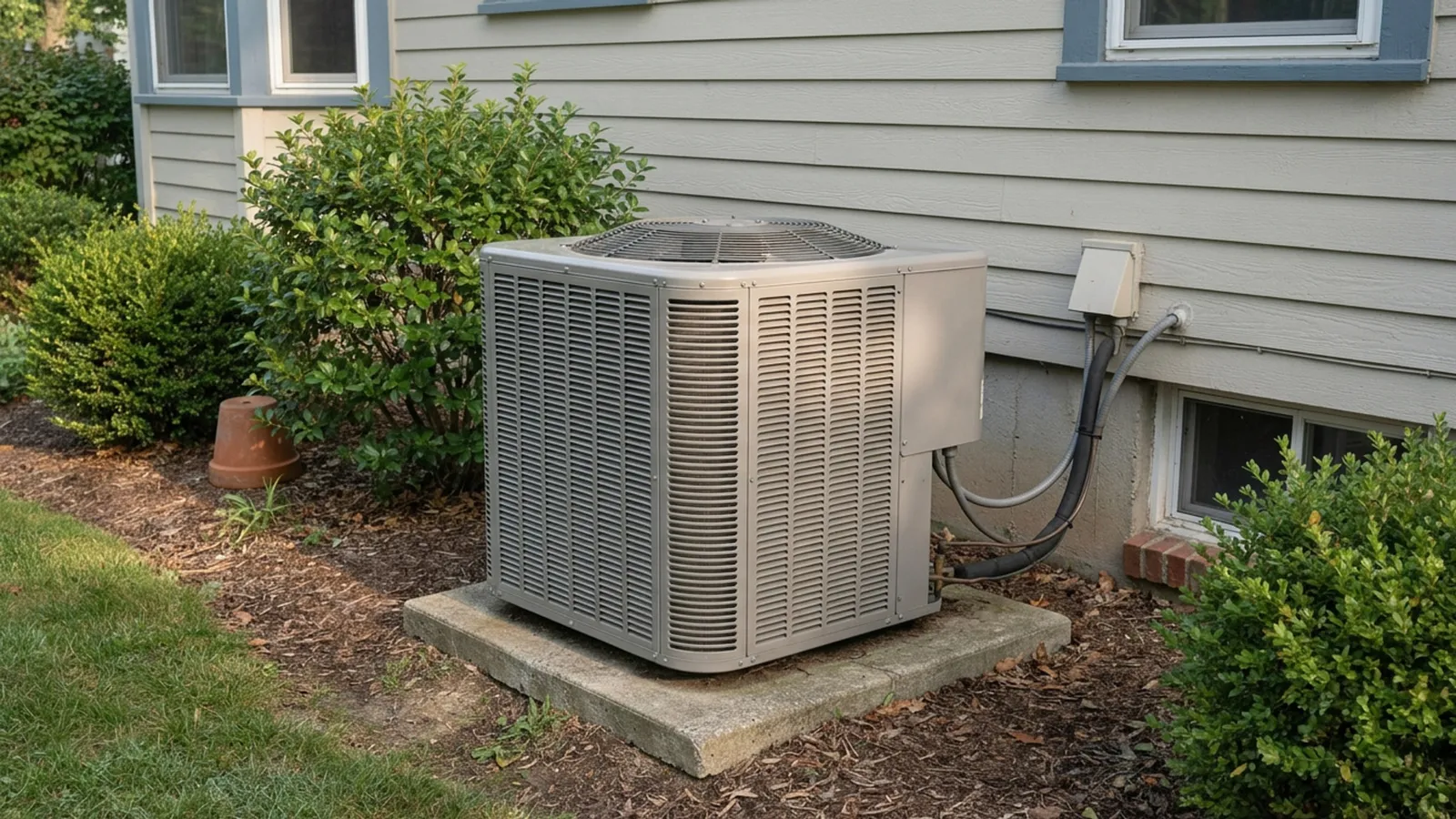
Two proposals to replace a heating and cooling system can look similar and still describe different jobs. One may name a model and a price. The other may describe how the system will be sized, what happens to the ducts and what is tested at the end. If you compare only the totals, you are comparing unlike things.
This guide gives a way to line up two proposals on the questions that most affect how the system performs. It assumes you have already read the assessment guide and sent both contractors the same description of the job, as in the same-brief guide. It does not recommend a contractor, brand or system type.
Why installation matters as much as equipment
ENERGY STAR says improper installation can reduce a system’s efficiency by up to 30 percent (ENERGY STAR, heat and cool efficiently, checked November 18, 2026). Its installation bid comparison checklist is a useful list of what to ask each contractor (ENERGY STAR, Installation Bid Comparison Checklist).
So compare the sizing logic, the ducts and the checks that show the system was set up correctly, not just the equipment.
Sizing: ask how the number was reached
A Department of Energy Building America guide for homeowners, dated August 2011, says rule-of-thumb sizing has led to many oversized systems and points to calculations developed by the Air Conditioning Contractors of America (ACCA): Manual J for heat loss and heat gain, Manual S for equipment selection and Manual D for duct design (U.S. DOE Building America, HVAC guide, August 2011, checked November 18, 2026). Because the guide is from 2011, treat it as an explanation of the method and confirm current practice with your contractor and local code.
ENERGY STAR’s checklist offers the practical question of whether the contractor will measure your home and calculate the equipment size with Manual J or an equivalent method, and whether you receive the calculation afterward.
The 2011 DOE guide also notes that in cold climates a contractor may choose a heat pump larger than the Manual S result. That is a reason to ask each contractor to explain its choice, not to accept or reject a size.
An invented example, for illustration only, with hypothetical figures: Proposal A replaces the old 3.5-ton air conditioner with another 3.5-ton unit, with no calculation shown. Proposal B shows a load calculation giving a 2.0-ton cooling load and proposes 2.5 tons, explaining why. Neither figure is a standard. B can show its reasoning and A has not; if A’s contractor can supply a calculation supporting 3.5 tons, the comparison changes, so ask.
If you plan insulation or air-sealing work, tell both contractors, since such work can change heating and cooling needs.
Ducts: part of the system, not an extra
ENERGY STAR’s page says ducts “are often big energy wasters” and that sealing and insulating ducts can improve the efficiency of a heating and cooling system by as much as 20 percent (ENERGY STAR, Heating and Cooling, checked November 18, 2026).
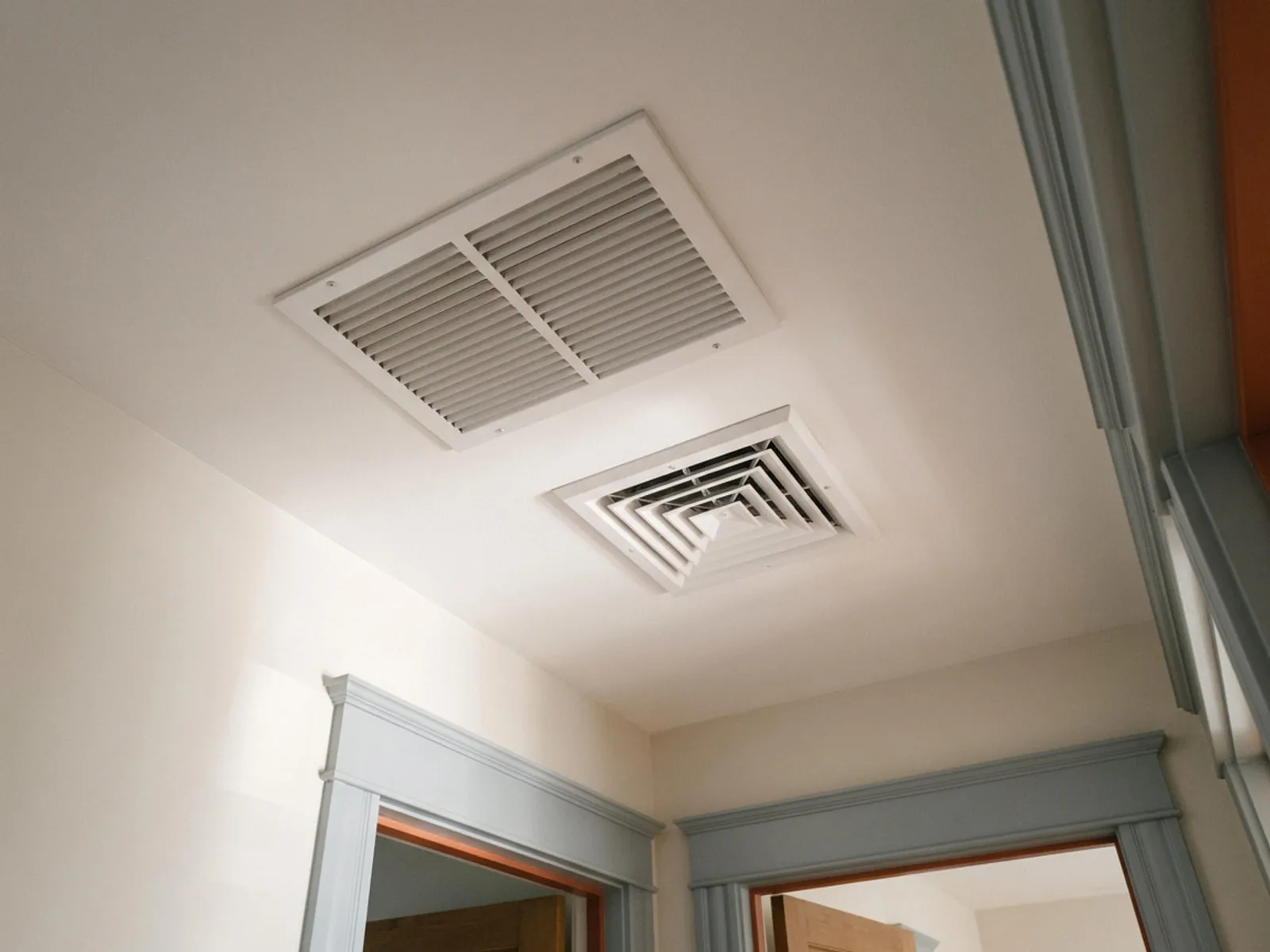
So ask whether each proposal keeps, repairs, seals or replaces the ducts, and whether leakage is tested. Whether a proposal includes any of this is a scope difference the equipment price will not show.
Scope: what is and is not included
Use the same rows for both proposals and treat anything missing as a question, not as included. ENERGY STAR’s checklist suggests asking about new versus reused refrigerant lines and about third-party verification that the system was installed and set up properly. Ask, too, what documents you receive at the end.
Ask who obtains any needed permits. The FTC lists a contractor asking you to obtain required building permits yourself as a red flag (FTC, How to Avoid a Home Improvement Scam, checked November 18, 2026). Ask who pulls permits and arranges inspection. Gas, electrical, venting and refrigerant work is for licensed professionals; nothing here is a how-to.
Verification: how will anyone know it worked
This row is often blank. ENERGY STAR’s checklist asks whether the contractor offers third-party verification of the installation. Each proposal should say which checks happen, who performs them and what record you receive.
Warranty: separate the equipment from the labor
A heating and cooling job usually involves two promises: one about the equipment and one about the installer’s work. Ask each contractor to put both in writing, and ask who provides each, what each covers and excludes, how long it lasts and how a problem is reported.
Federal warranty law has limits worth knowing. The FTC’s business guidance says the Magnuson-Moss Warranty Act does not require a business to provide a written warranty, but that a written warranty on a consumer product must be titled “full” or “limited.” The Act does not apply to warranties on services, though a warranty covering both the parts provided for a repair and the workmanship can fall within it (FTC, Businessperson’s Guide to Federal Warranty Law, checked November 18, 2026). Whether a particular installer warranty is covered is a legal question, and state law may add rules, so read the document itself.
Contract and payment checks
The FTC advises multiple written estimates describing the work, materials, completion date and price, and not choosing the lowest bidder automatically. It advises confirming the license with your state or county, asking for proof of insurance, and writing any promises about scope into the contract. It says not to pay the full amount up front, notes that some states limit down payments, and says not to make the final payment until the work is done and you are satisfied. It says the contract should include a written statement of your right to cancel within three business days if you signed at home or somewhere other than the seller’s permanent place of business (FTC, checked November 18, 2026); exceptions exist, so check your contract. Incentives vary and change, so confirm any that a contractor mentions with the program itself.
A side-by-side worksheet
For each row, record what Proposal A and Proposal B say, and mark any blank as “ask.”
| Row | What to record |
|---|---|
| Load calculation | Method, who did it, whether you receive a copy |
| Equipment size and reasoning | Capacity and why |
| Ducts | Inspect, seal, test or replace; leakage test included |
| Refrigerant lines and charge | New or reused; airflow and charge confirmed |
| Permits and inspection | Who obtains and arranges |
| Verification | Checks, who performs them, records provided |
| Equipment warranty | Provider, term, conditions |
| Labor warranty | Provider, term, how to claim |
| Payment schedule | Deposit, milestones, final payment |
Add the totals last; only the completed rows show whether the cheaper proposal is doing less.
Once the system is in, add its filter changes and service visits to your maintenance calendar. For setting money aside for a replacement, see Money Master.
Common questions
Should I pick the larger system to be safe?
The 2011 DOE guide treats oversizing as a known problem and points to calculation, not rules of thumb. Ask for each proposal’s reasoning.
Sources checked November 18, 2026: ENERGY STAR — Installation Bid Comparison Checklist; ENERGY STAR — Heating and Cooling; U.S. DOE Building America — HVAC: A Guide for Contractors to Share with Homeowners (2011); FTC — How to Avoid a Home Improvement Scam; FTC — Businessperson’s Guide to Federal Warranty Law.