Choose an HVAC filter and plan annual service, whether you rent or own
How to read a filter's MERV rating, how often to check it, what a yearly service visit covers and who is responsible if you rent.

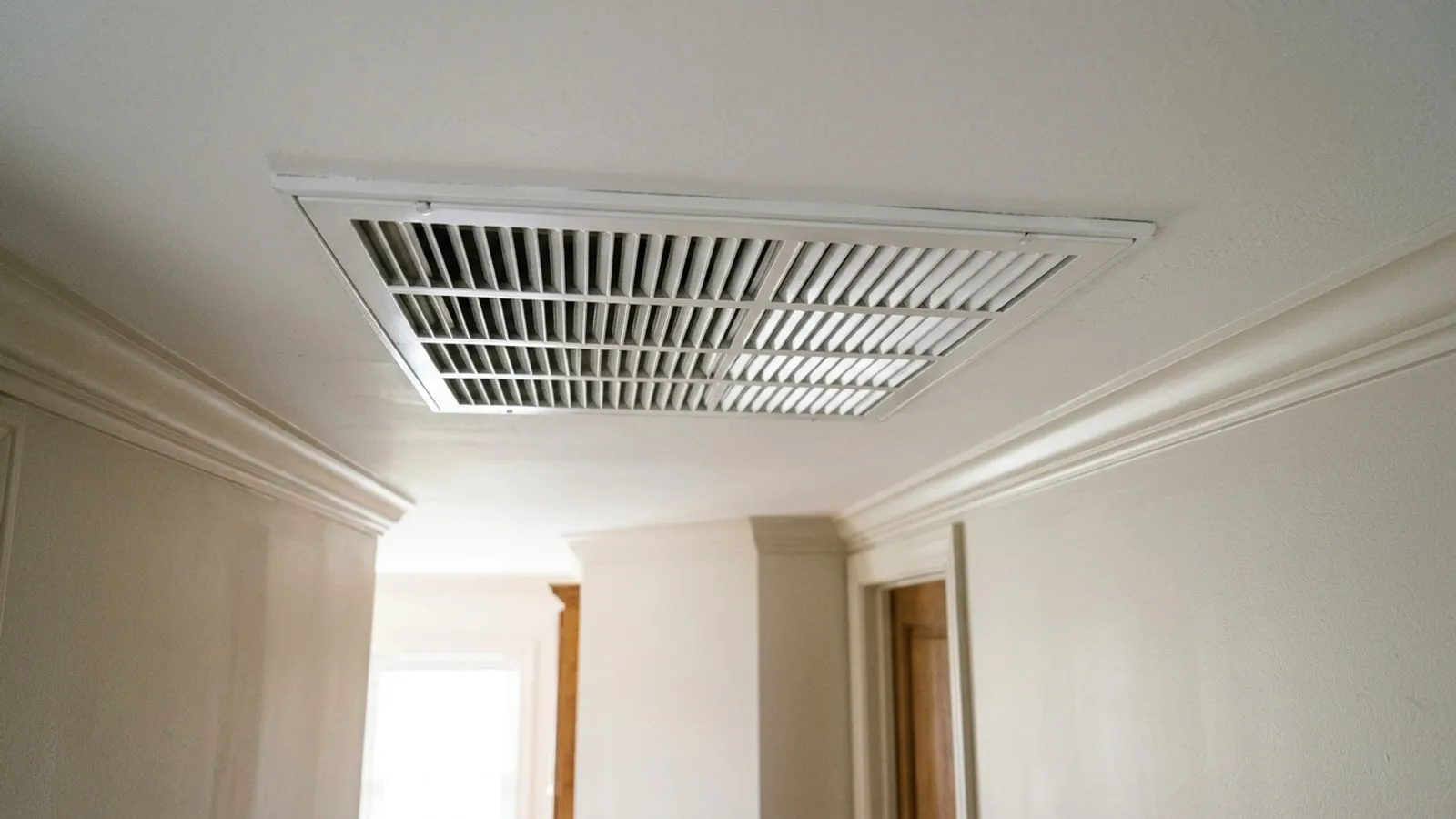
The air filter in a heating and cooling system is the cheapest part of the system and the one most often forgotten. Checking it takes a few minutes. This guide covers how to read the label, how often to look, and what a professional visit adds, with a note on who does what when you rent.
What a filter does
A filter catches dust and particles as air passes through the system. It protects the equipment and, to a degree, the air you breathe. ENERGY STAR’s maintenance checklist says a dirty filter can raise energy costs and lead to early equipment failure (ENERGY STAR, heating and cooling maintenance checklist, checked November 18, 2026).
Reading a MERV rating
MERV stands for Minimum Efficiency Reporting Value. The EPA explains that it rates how well a filter captures airborne particles in the 0.3 to 10 micron range, that the rating comes from an ASHRAE test method, and that a higher number means better capture of specific particle sizes (EPA, what is a MERV rating, checked November 18, 2026).
The EPA suggests considering a filter rated MERV 13 or higher, as high as your system’s fan and filter slot can handle, and says an HVAC technician can help you find the best fit. Its guide to air cleaners adds that most systems can use MERV 13 without equipment problems if the filter is replaced often (EPA, guide to air cleaners in the home, checked November 18, 2026).
Note the condition: “as high as your system can handle.” Equipment is not usually labeled with a filter rating. If you rent, ask the manager. If you own, check the manual or ask your service technician before moving up. HEPA filters, the EPA notes, are not rated on the MERV scale and are used mainly in portable air cleaners.
Size, fit and thickness
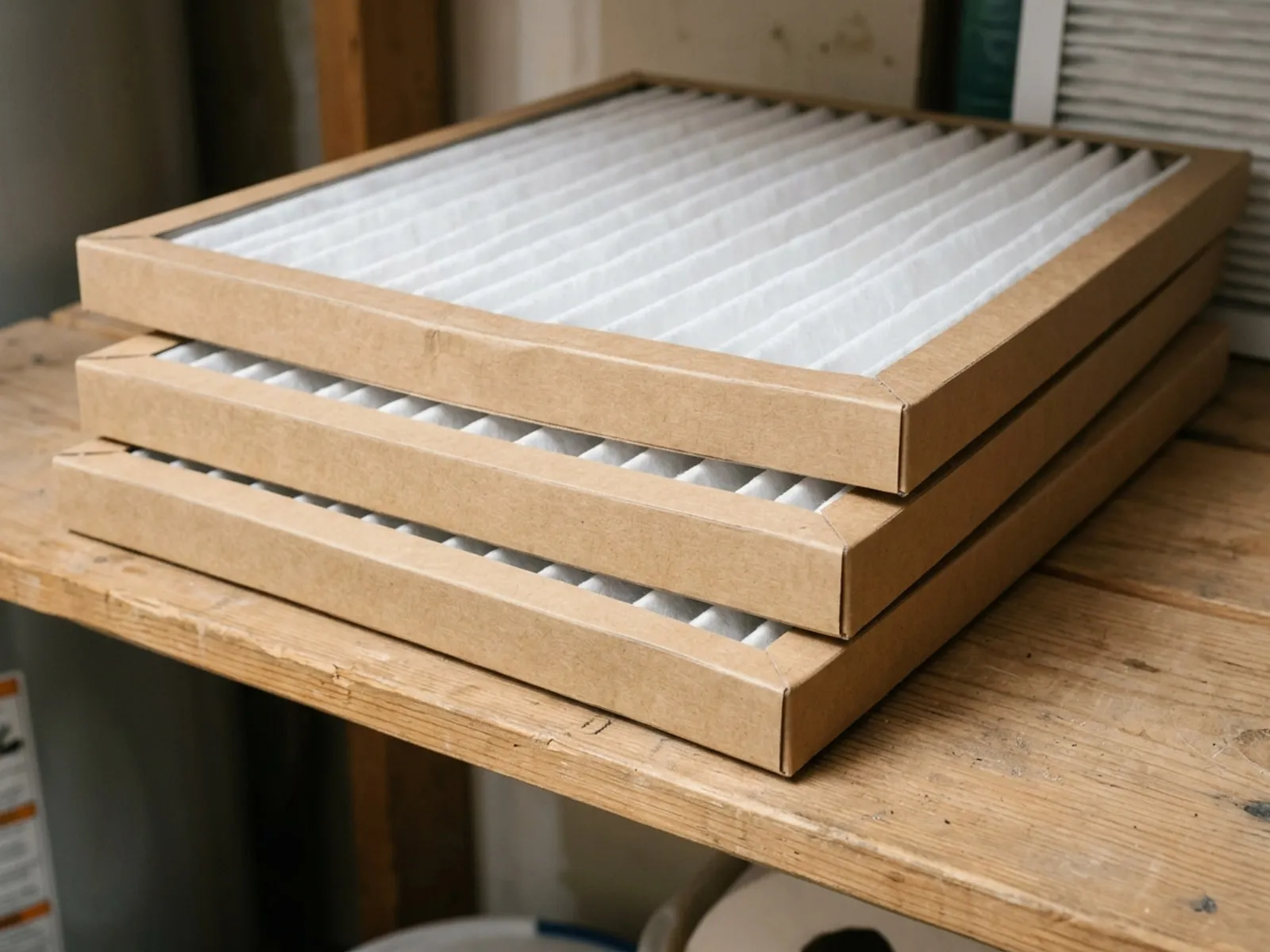
Filters come in set sizes and thicknesses, usually printed on the frame. The official pages cited here do not give sizing rules, so as general practice, buy by the size on the old filter or in the manual, check that it fits the slot without bending or leaving gaps, and note the arrow on the frame that shows airflow direction.
How often to check
Two official sources give different figures, and both are worth knowing.
- ENERGY STAR’s checklist suggests inspecting, cleaning or replacing the filter in your central air conditioner, furnace or heat pump about once a month, and says a contractor can show you how.
- The EPA’s air cleaner guide says all filters need regular replacement, that manufacturers generally suggest every 60 to 90 days, and that a heavily soiled filter should be changed sooner.
The two fit together: look monthly, replace when it is dirty or by the manufacturer’s schedule, whichever comes first. Pets, construction dust, smoke and heavy use shorten the interval. Write the date on the frame when you change it, and add the reminder to your maintenance calendar.
The EPA also points out that filters only work while the system runs, which it says is usually less than 25 percent of the time during heating and cooling seasons, so a filter captures relatively little air unless the system runs longer.
What an annual service visit covers
ENERGY STAR advises a contractor check each year before the season starts, cooling in the spring and heating in the fall, since contractors are busiest once summer and winter arrive. Its checklist for a typical visit includes:
- checking thermostat settings;
- tightening electrical connections and measuring voltage and current on motors;
- lubricating moving parts;
- checking the condensate drain;
- checking system controls and the starting cycle.
For cooling, it adds cleaning the evaporator and condenser coils, checking the refrigerant level and cleaning and adjusting blower components. For heating, it lists gas or oil connections, gas pressure, burner combustion and the heat exchanger.
Nearly all of this is work to describe, not to do: it involves electrical parts, refrigerant and combustion. Your part is booking it, asking for a written report that separates urgent safety issues from repairs and optional upgrades, and saving that report. When a technician recommends more work, a written scope you can share with a second company keeps the quotes comparable.
Renters and owners
If you own, the filter and the annual visit are yours to arrange, and the paperwork from each visit goes in your records.
If you rent, responsibility depends on the lease and local law. Ask the landlord or manager three things in writing: who replaces the filter, what size and rating it should be, and who books the yearly service. Report any odd smell, noise, water near the unit or a system that stops working.
In a building with a central system, the filter may not be in your unit at all. Report weak airflow to management instead.
Common questions
Is a higher MERV always better? Not automatically. The EPA says to choose the highest rating your system can handle, and a technician can confirm what that is.
Can I wash and reuse a filter? Only if the manufacturer says it is designed for that.
Does service need to be annual? ENERGY STAR advises a yearly contractor check. Your manual and your technician can say more for your model.
Sources checked November 18, 2026: EPA, what is a MERV rating; EPA, guide to air cleaners in the home; ENERGY STAR, maintenance checklist.