Heat pumps explained: how one heats and cools, and what to ask before replacing a furnace
A heat pump moves heat instead of making it, so one system can heat and cool. Here is how it works, what cold weather changes, and what to ask before a quote.

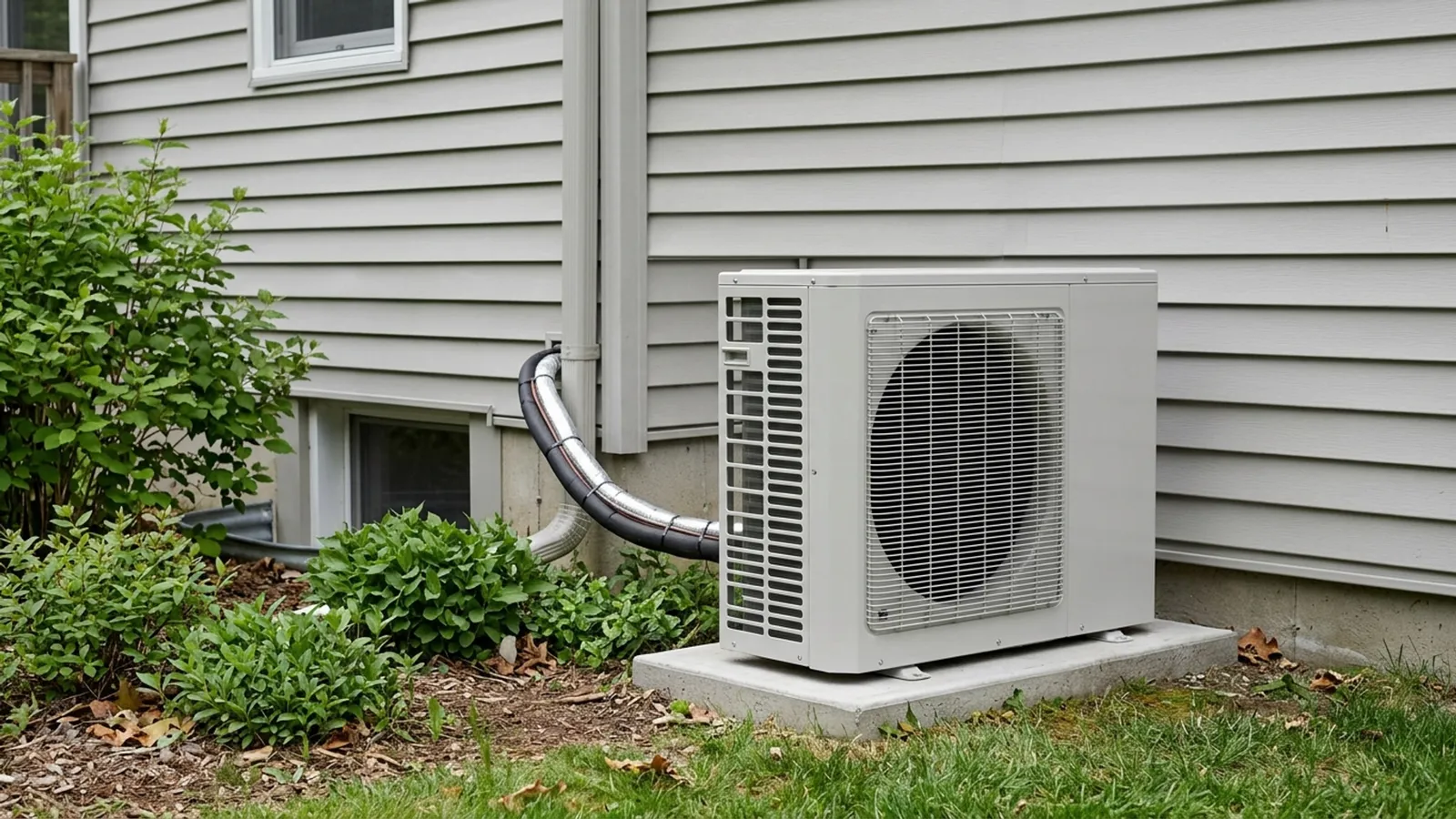
Your furnace is aging, a contractor mentions a heat pump, and a neighbor says they do not work when it is cold. Before comparing proposals, it helps to know what the equipment does and which questions separate a well-planned replacement from a hurried one.
This guide covers the basics: how a heat pump works, what cold weather changes, and what to ask before you ask for a price.
What a heat pump does differently
A furnace creates heat by burning fuel or running electric resistance elements. A heat pump uses electricity to move heat from one place to another. The U.S. Department of Energy says heat pumps bring heat indoors from outside in winter and push indoor heat outside in summer, which is why the same equipment can cool as well (DOE, Pump Up Your Savings with Heat Pumps, checked November 18, 2026).
Because the system moves heat rather than generating it, it can deliver more heat energy than the electrical energy it uses. ENERGY STAR says an air-source heat pump can deliver up to three times more heat energy than the electricity it consumes (ENERGY STAR, Air-Source Heat Pumps, checked November 18, 2026). That is a ceiling under favorable conditions, not a promise for every hour of every winter day.
DOE describes two main types: air-source units, which exchange heat with the outdoor air, and geothermal units, which draw on the ground or water. This guide focuses on air-source systems, which are the type most households meet first.
Ducted and ductless systems
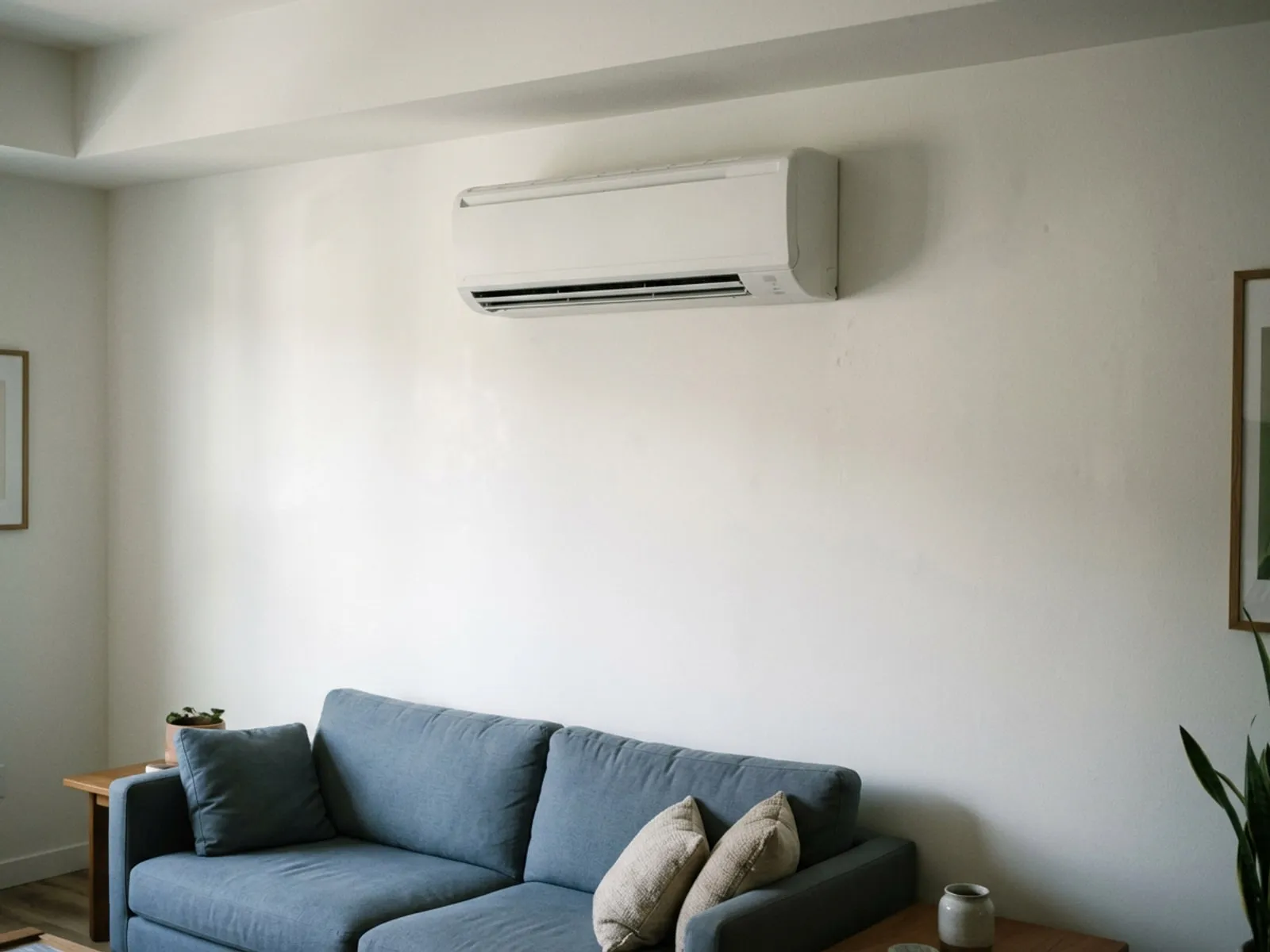
ENERGY STAR says an air-source heat pump can connect to existing forced-air ductwork and, in most climate zones, can be installed as a drop-in replacement for a furnace or central air conditioner. Homes without ducts can use ductless mini-splits instead, which place indoor units in rooms or zones.
Which suits you depends on your house, so the first question for any installer is what they propose for your layout and why. As general guidance rather than a finding from the sources above, leaky or poorly sized ducts can undercut any forced-air system, so ask the contractor what they found when they inspected yours.
Do heat pumps work in cold weather?
DOE says air-source heat pumps were once limited to mild climates, but now they are a legitimate option for colder regions. ENERGY STAR says newer certified models use advanced compressors and refrigerants to perform better at low temperatures, and that certification requires third-party verified performance testing down to 5°F.
Two details matter in practice. First, ENERGY STAR notes that cold-climate units keep operating below 5°F, but that backup heating is most efficient at very low temperatures. Second, in regions where winter temperatures often fall below freezing, it advises asking for a certified cold-climate model and looking for the Cold Climate label.
So the honest answer is “often yes, if the model and the installation fit your climate.” Your own winter lows, your insulation and your backup heat all affect the result. A contractor should be able to explain how the system will behave on the coldest days you expect.
Replacing a furnace, or keeping it as backup
Some households replace a furnace outright. Others keep a gas or oil furnace and add a heat pump, a setup ENERGY STAR calls dual fuel, where the household can choose the more efficient or economical source. Whether either route makes sense depends on your local electricity and fuel rates, the age of the furnace and what the contractor recommends. Your electricity bill shows your rate structure; reading it closely before a quote tells you what you pay for each kilowatt-hour and whether time-of-use pricing applies.
DOE says the carbon savings from switching depend on what equipment is being replaced. The same logic applies to bills: replacing an old electric-resistance system is a different comparison from replacing a modern gas furnace.
DOE also recommends a home energy audit and weatherization, such as insulation, before upgrading. DOE’s point is that upgrading equipment without weatherizing first can reduce the savings. As general guidance, a leaky house also tends to need a larger system than a tight one, so the order of work can change both size and cost. Our guide to starting with a home energy assessment explains how to prepare for one.
Size matters: ask about the load calculation
ENERGY STAR says equipment that is too large or too small will struggle to keep the home comfortable, and that contractors should verify the correct size using a Manual J load calculation, which estimates the home’s heating and cooling needs. A quote that sizes the system only by matching the old unit, or by square footage alone, is worth questioning.
Questions to ask before you get a quote
These questions draw on ENERGY STAR’s contractor list and the general logic above. Put them in writing so every bidder answers the same ones.
- Will you perform a Manual J load calculation, and can I see the result?
- Which exact models are you proposing, and are they in ENERGY STAR’s product finder?
- Given our winter lows, is a certified cold-climate model appropriate?
- How will the system work with backup heat, and when will the backup switch on?
- What happens to the existing furnace, ducts and thermostat wiring?
- What maintenance do you recommend, and what does the warranty cover?
- Which rebates apply to the proposed model, and who handles the paperwork?
The last question needs care because federal credit rules have changed. The IRS says the Energy Efficient Home Improvement Credit (Section 25C), which included up to $2,000 a year for qualified heat pumps, applies to property placed in service on or after January 1, 2023 and before December 31, 2025 (IRS, Energy Efficient Home Improvement Credit, checked November 18, 2026). A heat pump installed and in service in 2026 is therefore outside that window. Some DOE and ENERGY STAR pages still describe the credit as available, so treat any credit mentioned in a proposal as something to confirm at IRS.gov, with a tax professional, and with your utility and state energy office for rebates, before counting it. How a credit applies depends on your own tax situation. Money Master covers how to pay for and finance a large purchase: see Money Master.
Running the system once it is installed
ENERGY STAR’s operating tips include keeping a steady setpoint rather than using deep setbacks, avoiding Auto mode, using auto or low fan speed, and cleaning filters when they are dirty. Ask the installer whether those tips fit your particular system, since controls differ.
Next step: compare like with like
Once you understand the equipment, the practical step is to give every contractor the same brief and compare what comes back. Our guide to getting comparable contractor quotes shows how. Electrical, refrigerant and gas work belongs with licensed professionals who follow local codes and permits.
Common questions
Is a heat pump the same as an air conditioner? An air conditioner moves heat out of the house. A heat pump can run in both directions, so it also heats.
Will I still need a furnace? Not necessarily. Some homes keep one as backup in a dual-fuel setup, and others rely on electric backup heat built into the system. Ask what the installer proposes and why.
Do heat pumps save money? DOE says modern air-source heat pumps can cut electricity use by about 50 percent compared with furnaces and baseboard heaters, depending on the household. Your result depends on your climate, home, equipment replaced and local rates.
Sources checked November 18, 2026: DOE, Pump Up Your Savings with Heat Pumps; ENERGY STAR, Air-Source Heat Pumps; IRS, Energy Efficient Home Improvement Credit. General information, not professional HVAC advice.