Read food date labels to waste less food: quality versus safety
What best by, use by and sell by dates mean, what federal rules require (and the infant formula exception), and how to judge food past its date without throwing out good food.

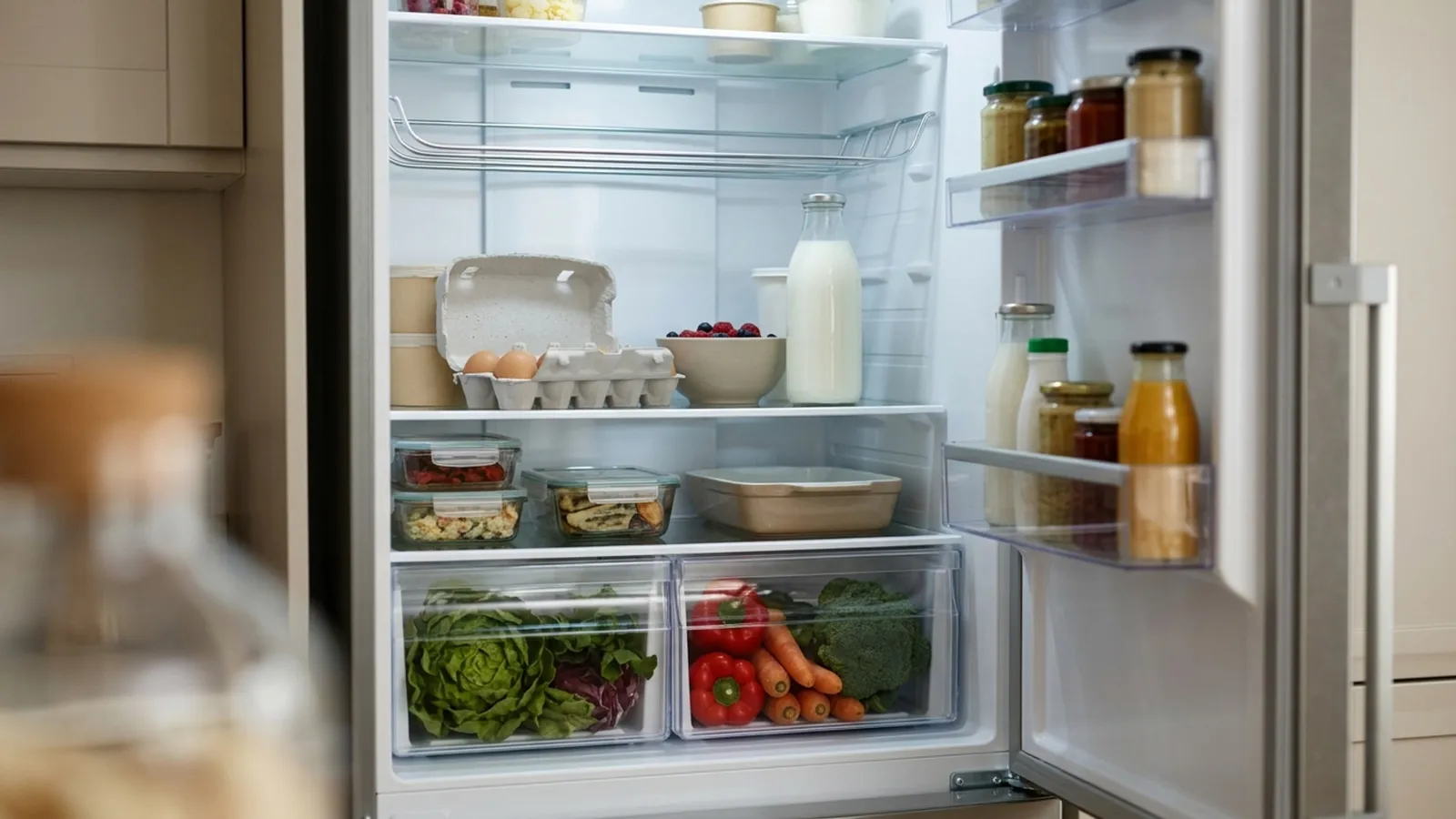
You open the fridge, see a date that passed yesterday and wonder whether to bin the lot. Many households throw out food on that basis, and the date often does not mean what people assume.
This guide explains what the common date phrases mean, what federal rules do and do not require, and a sensible routine for deciding what to eat. The detailed phrase definitions come from the USDA Food Safety and Inspection Service (FSIS), which covers meat, poultry and egg products. The FDA, which covers most other packaged foods, takes a similar position, described below.
Federal law mostly does not require dates
FSIS states that, except for infant formula, product dating is not required by federal regulations. For meat, poultry and egg products, a company may apply a date voluntarily if it is truthful, not misleading and follows FSIS rules. A calendar date must show the month and day, plus the year on shelf-stable and frozen products, with a phrase next to it explaining what the date means (FSIS: food product dating, checked November 18, 2026).
Some states have their own rules. FSIS notes that a sell-by or expiration date on eggs is not a federal regulation but may be required by state egg law, and that some states do not allow a sell-by date on eggs. So the label you see can reflect a state requirement, a store practice or the manufacturer’s choice.
The date phrases, and what each one means
FSIS says there is no uniform or universally accepted wording for open dating in the United States. It describes the common phrases this way:
| Phrase | What FSIS says it means | A safety date? |
|---|---|---|
| Best if Used By/Before | When the product will have its best flavor or quality | No; not a purchase or safety date |
| Sell-By | How long the store should display the product, for inventory | No |
| Use-By | The last date recommended for use at peak quality | No, except on infant formula |
| Freeze-By | When to freeze the product to keep peak quality | No; not a purchase or safety date |
To cut confusion and waste, FSIS recommends that companies that date their products use “Best if Used By.” USDA estimates that 30 percent of the food supply is lost or wasted at the retail and consumer levels, and FSIS names confusion over label dates as one cause of throwing away wholesome food.
The FDA’s consumer page on food waste says the same on the main point: except for infant formula, manufacturers are not required by federal law or regulation to place quality-based date labels on packaged food, and there are no uniform descriptions for open dating. The FDA supports making “Best if Used By” the standard phrase for the date a product will be at its best flavor and quality, and estimates that confusion over date labeling accounts for about 20 percent of consumer food waste. It says to examine foods past that date for signs of spoilage, and that if a product has changed noticeably in color, consistency or texture, you may want to avoid eating it (FDA, Tips to Reduce Food Waste, checked November 18, 2026). The FDA page defines no further phrases, so for “Sell By” or “Best By” on a non-meat product, the FSIS definitions above are a reasonable guide to what the manufacturer likely means, but the company can tell you for certain; many packages show its contact details.
The infant formula exception
Infant formula is the one product where the date is a rule and a safety line. Federal regulations require a “Use-By” date on infant formula labels, overseen by the FDA. FSIS explains that using formula by that date ensures it contains each nutrient in the amount listed on the label, and that formula must stay acceptable to pass through an ordinary bottle nipple. Its advice is blunt: do not buy or use baby formula after its Use-By date.
What happens when the date passes
FSIS says that, apart from infant formula, if the date passes while food is in your home it should still be safe and wholesome if it was handled properly, until spoilage is evident. The quality of perishable products may decline after the date, so you need to check before eating. It adds that foods without signs of spoilage may be sold, bought, donated and eaten past a “Best if Used By” date.
The key phrase is “handled properly.” FSIS warns that if food is mishandled before or after the date, bacteria that cause illness can multiply quickly. Its example is cold chicken salad left above 40°F for more than two hours, or more than one hour at 90°F or higher: do not eat it, whatever the label says. Meat defrosted improperly is another example.
Spoilage is a separate question. FSIS describes spoiled food as developing an off odor, flavor or texture from naturally occurring spoilage bacteria, and says food like that should not be eaten. It also notes that a change in the color of meat or poultry is not by itself an indicator of spoilage.
FSIS also explains that there are two types of bacteria on food: spoilage bacteria, which cause the off taste or smell, and pathogenic bacteria, which cause foodborne illness. Because they are different, how you stored and handled the food matters more than the printed date.
A simple routine for decisions
First, find the date and note which kind it is. A sell-by date is a store instruction, not a deadline for you.
Second, ask how the food has been stored. Was it kept cold, sealed and never left out? If you cannot say, the label will not rescue it.
Third, check with your senses: look, smell, texture. If it shows spoilage, discard it. If you are unsure about a perishable item, throw it out rather than gamble.
Fourth, if the date is approaching and you cannot use the item, move it to the freezer. FSIS describes a “Freeze-By” date as the point to freeze for peak quality, and freezing safely is a topic of its own (a separate guide covers freezing and thawing).
Canned goods and can codes
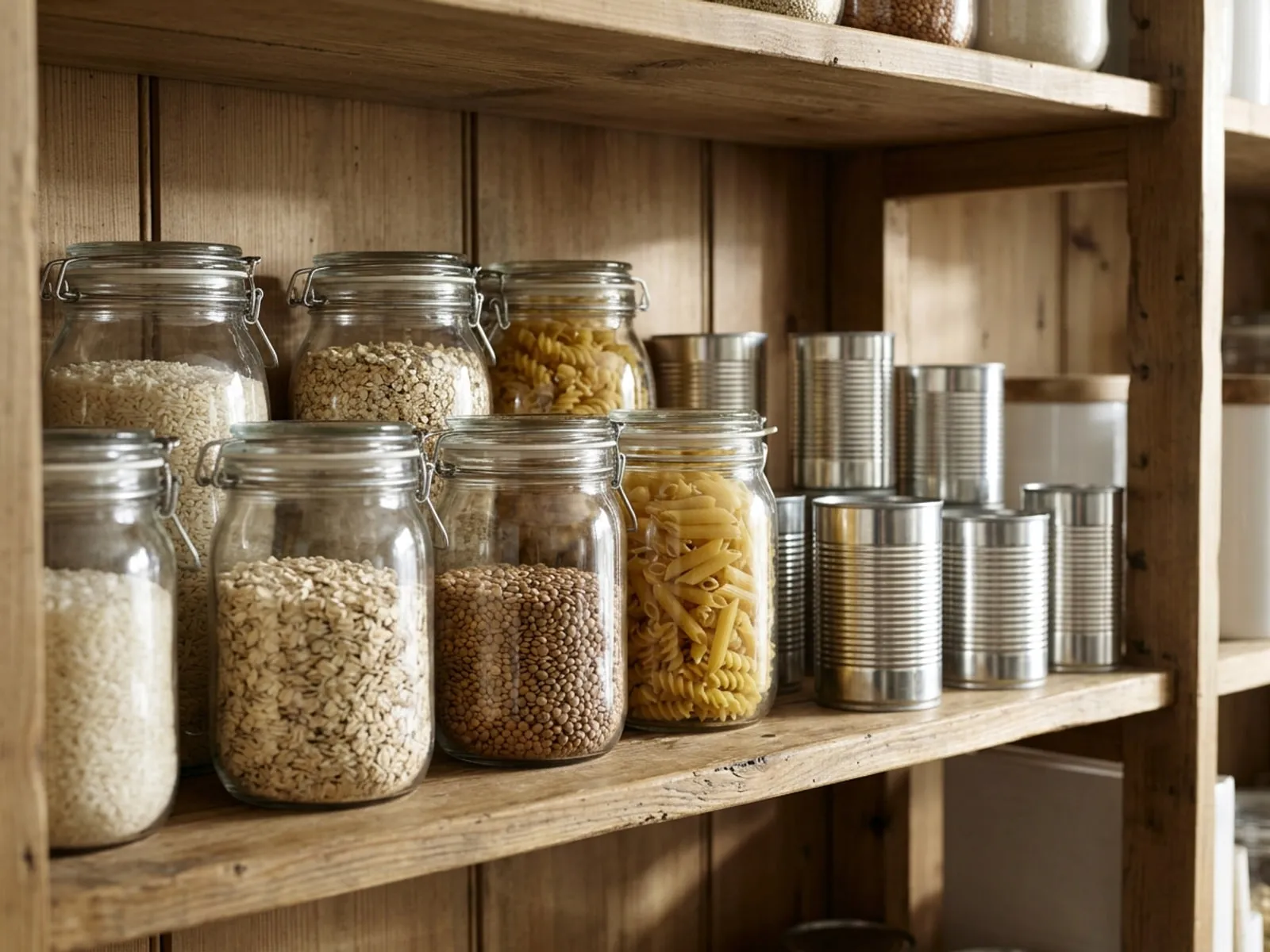
Can codes are a type of closed dating used for tracking and recalls, and FSIS says they are not meant for you to read as a “Best if Used By” date. Cans may also show an open calendar date, usually a quality date. FSIS says high-acid canned foods such as tomatoes and fruits keep their best quality for 12 to 18 months, and low-acid foods such as meats and vegetables for two to five years. Discard cans that are dented, rusted or swollen.
Fewer surprises at the checkout and in the pantry
Waste often begins at planning. Buying what the household will actually eat in the coming days helps most; the flexible weekly meal plan is a start. Put the older items at the front of the fridge and shelf and use them first.
Common questions
Are date labels required by law? Not by federal regulation, with the exception of infant formula, according to FSIS. Some states may require dates on certain foods, such as eggs.
Does “use by” mean unsafe after that date? Except on infant formula, FSIS says a use-by date is the last date recommended for peak quality, not a safety date.
Can I donate food after its date? FSIS says yes, if it shows no signs of spoilage and its quality is evaluated first.
What if I cannot tell whether it is spoiled? Do not rely on guesswork for perishable food. When in doubt, throw it out.
Sources checked November 18, 2026: FSIS, Food Product Dating; FDA, Tips to Reduce Food Waste.