Know what to check safely at home and what to leave to a professional
A way to sort home problems into things you can look at and note, and things that need a licensed professional, with the safety checks agencies publish.

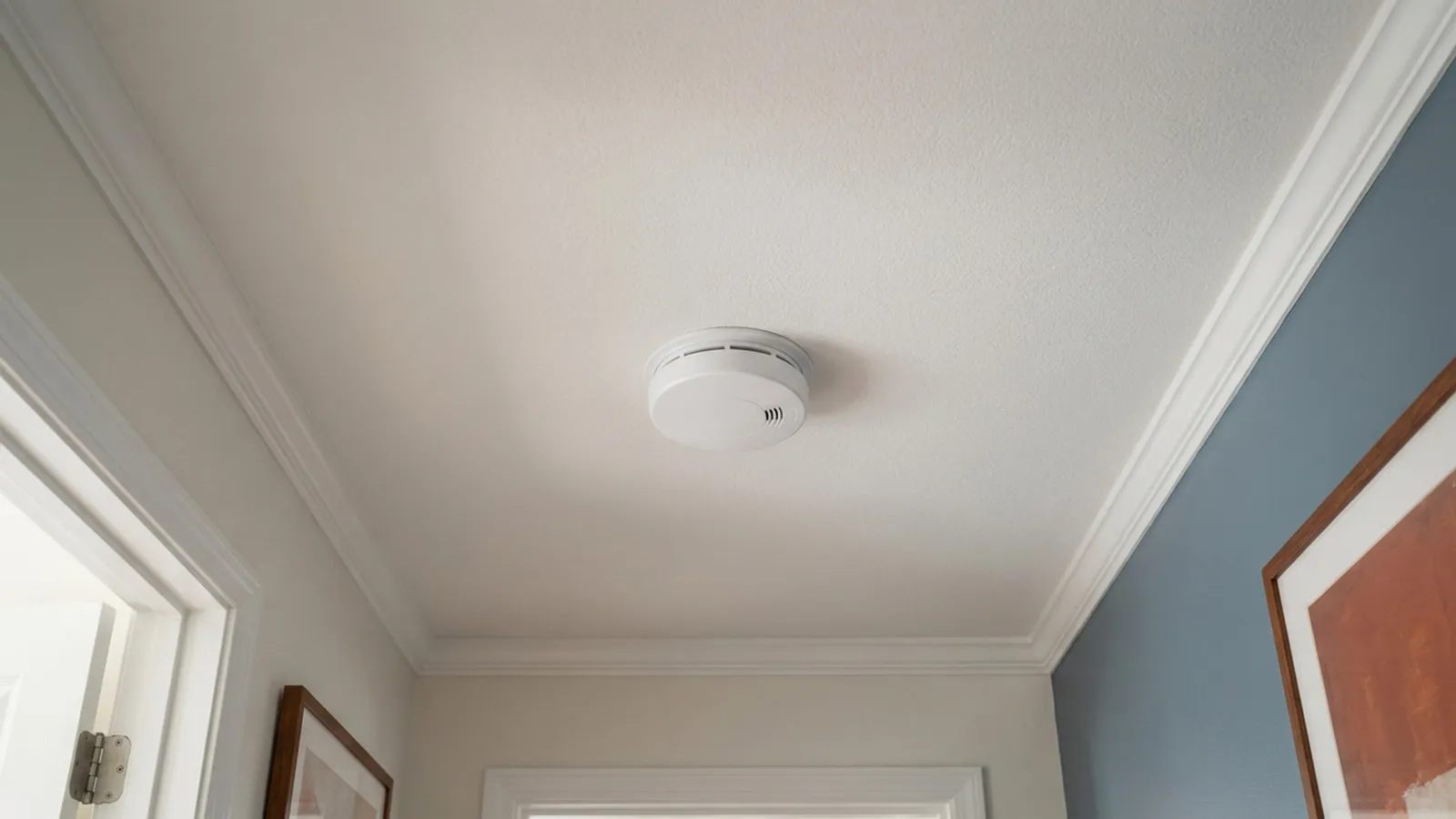
When something seems off in a home, there are two separate questions. What can I safely notice and record? And what should only a qualified person touch?
Most households do better when they treat these as different jobs. Looking, noting and photographing is almost always safe. Opening, repairing or adjusting systems that carry electricity, gas, structure or height is where the risk sits. This guide is about the sorting, not about how to do the repairs.
The sorting rule
Ask three questions about any problem.
Could this cause a fire, shock, gas leak, carbon monoxide exposure, fall or collapse if it is handled wrong? If yes, it belongs to a licensed professional, however simple it looks on a video.
Does the work need a permit, a licensed trade or a landlord’s or building’s permission? Electrical, gas, roofing and structural work commonly do, and rules vary by city and state. Your local building department can say what applies.
Is it getting worse quickly, or does it involve safety equipment such as an alarm or a heater? Then act early, and use the professional route.
If all three answers are no, it is usually a look-and-note job, a cosmetic fix, or routine upkeep that your equipment manuals describe.
What you can safely look at and record
Noticing is a household skill, and none of it requires opening anything.
You can read the manuals and labels for your equipment and keep the model numbers in one place. You can look for visible signs and photograph them with a date: a stain on a ceiling, a damp patch, a crack that seems wider than before, a door that has started to stick. You can note smells, sounds and when they happen. You can check whether alarms are present and ask who is responsible for testing them, following each alarm’s own instructions.
You can also check recalls. The Consumer Product Safety Commission (CPSC) lets you search recalls by date, hazard and category, and says that when a product is recalled, you should stop using it and follow the listed remedy, which may be a refund, repair, replacement or instructions to make it safe (CPSC recalls, checked November 18, 2026). CPSC also runs a hotline at 800-638-2772 and a way to report an unsafe product at saferproducts.gov (CPSC, checked November 18, 2026).
Alarms and the plan around them
Two safety basics are agency-backed and not a DIY repair topic. CPSC’s carbon monoxide guidance says to install battery-operated alarms, or ones with battery backup, on every level and outside sleeping areas, notes that interconnected alarms sound together, and says to check batteries regularly (CPSC carbon monoxide information, checked November 18, 2026).
The U.S. Fire Administration (USFA) points households to materials on installing smoke alarms and making a fire escape plan (USFA home fires, checked November 18, 2026). A plan is something a household can write down and practice without any tools.
Renters should check the lease and ask the landlord who maintains alarms. Owners can put alarm checks on the maintenance calendar.
What to leave to a professional
Leave these to a licensed professional, and do not rely on instructions you find online:
- Anything involving the electrical panel, wiring, outlets that spark, or fixtures that heat up.
- Anything involving gas lines, gas appliances, flues or vents, or a suspected gas leak.
- Roof work or work at height, and any structural question such as a sagging floor or a wall crack that keeps growing.
- Water heaters, furnaces and similar equipment that burn fuel or hold pressure.
- Suspected mold, asbestos or other hazardous materials in an older building.
Natural gas is colorless and odorless by nature, and EIA says natural gas companies add an odorant (mercaptan) so that leaks can be detected (EIA natural gas, checked November 18, 2026). If you smell gas, leave immediately and follow your gas utility’s emergency instructions. The utility’s website and bill list the emergency number.
Choosing and briefing the professional
For a trade job, get the license status checked with your state licensing board, ask what permits the work needs, and get the scope in writing. Our guide on comparable contractor quotes covers how to brief several contractors the same way.
Keep your notes and photos. They make the first call faster and more useful: where, since when, what changed, and what you have not touched. They also help with warranty or insurance conversations later.
Making it routine
Put recurring checks, such as alarm batteries per the manufacturer’s schedule, into a maintenance calendar, and keep model numbers and the professionals’ contact details with your household records. For how to pay for repairs and keep a repair reserve, see Money Master.
Common questions
Is it ever fine to do my own repairs? Many cosmetic and routine jobs are. The sorting rule above is a way to spot the ones that are not. Rules on what an owner may do themselves vary by local code.
What if I rent? Report problems to the landlord in writing, with your photos, and let them arrange qualified repairs. Your lease and state law set who is responsible.
Does a recall mean I must replace the product? The recall notice lists the remedy the company is offering. Follow it and contact the company using the details in the notice.
Sources checked November 18, 2026: CPSC home page, CPSC recalls, CPSC carbon monoxide information, USFA home fires, EIA natural gas. General information, not professional trade, legal or insurance advice.