Get ahead of frozen pipes before winter, and know the first steps if one bursts
Which pipes freeze most often, how to protect them before cold weather, how to thaw one safely, and what to do first if a pipe bursts.

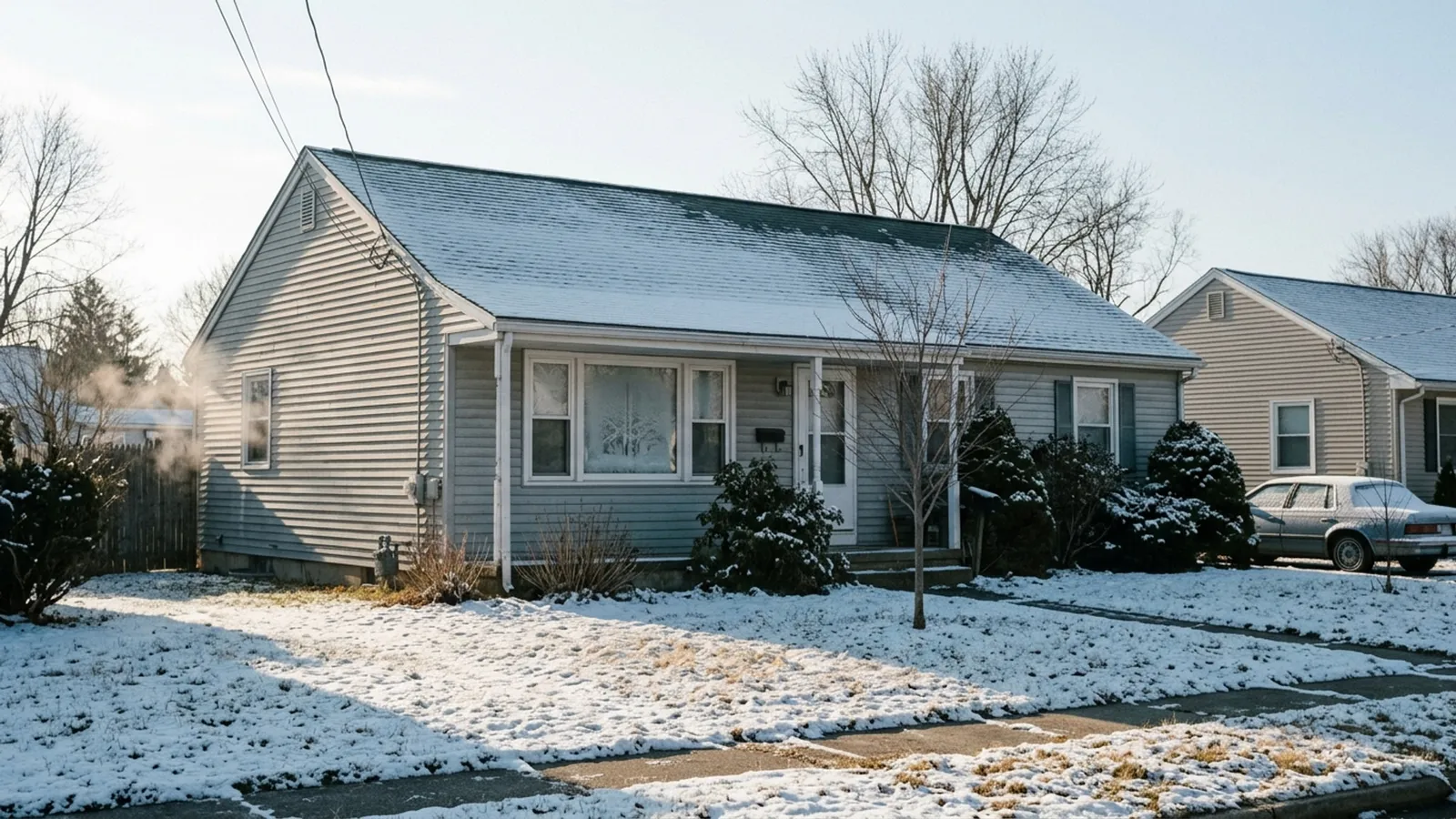
A frozen pipe is a small problem that can become a large one. Water expands as it freezes, and the American Red Cross says that expansion puts tremendous pressure on whatever contains it, so metal or plastic pipes can break however strong they are (American Red Cross: preventing and thawing frozen pipes, checked November 18, 2026). When the ice thaws, a split pipe can send water into walls, floors and ceilings.
The time to prepare is before the first hard freeze. This guide covers which pipes are at risk, what to do before cold weather, how to thaw a frozen pipe, and what to do first if one bursts.
Which pipes freeze most often
The Red Cross lists three groups: pipes exposed to severe cold, such as outdoor hose bibs, pool supply lines and sprinkler lines; water supply pipes in unheated interior areas such as basements, crawl spaces, attics, garages and kitchen cabinets; and pipes that run against exterior walls with little or no insulation.
Walk the house on a dry afternoon and write down each place where you see pipes like these. If you rent, note what you find and report concerns to the landlord rather than altering the building. Add the list to your seasonal calendar (how to build one).
Protect pipes before cold weather
The Red Cross recommends these steps before the cold arrives (checked November 18, 2026):
- Drain swimming pool and sprinkler supply lines following the manufacturer’s or installer’s directions. Do not put antifreeze in these lines unless directed.
- Remove, drain and store outdoor hoses. Close the inside valves that supply outdoor hose bibs, then open the outside hose bibs so remaining water can drain and has room to expand.
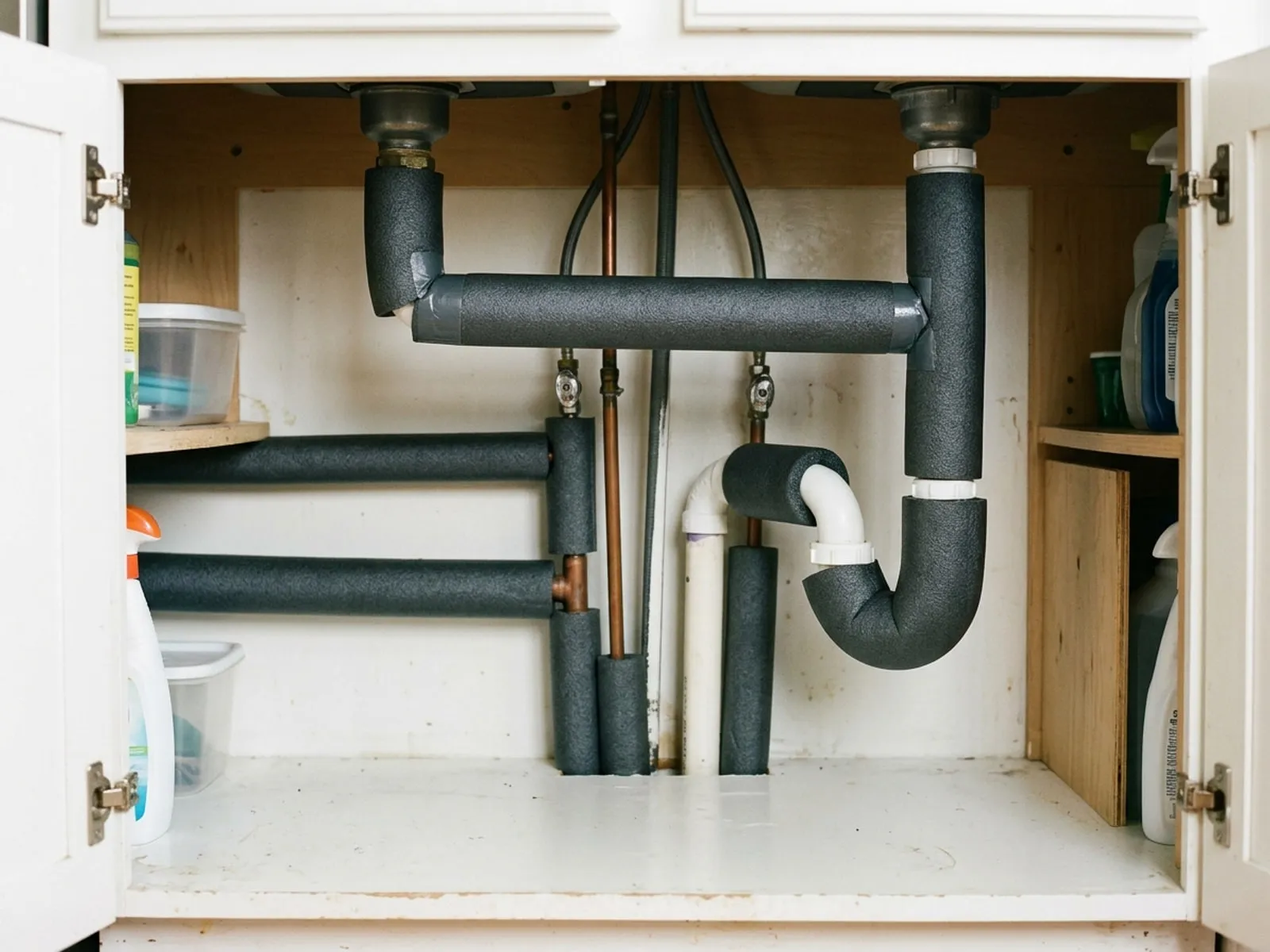
- Add insulation to attics, basements and crawl spaces, and check the garage and the cabinets under kitchen and bathroom sinks for supply lines. Insulate both hot and cold pipes in those areas.
- Consider pipe sleeves or UL-listed heat tape or heat cable on exposed pipes, or relocating exposed pipes. Electrical heat products and pipe relocation are jobs to match to the product’s instructions or a professional.
If you rent, much of this is the landlord’s decision. Ask who handles it.
Keep pipes from freezing during a cold spell
The Red Cross also advises (checked November 18, 2026):
- Keep the garage door closed if there are water supply lines in the garage.
- Open kitchen and bathroom cabinet doors so warmer air reaches the plumbing, and move household chemicals and cleaners out of children’s reach first.
- When it is very cold, let cold water drip from a faucet served by exposed pipes. Even a trickle helps.
- Keep the thermostat at the same temperature day and night. The Red Cross acknowledges this may raise a heating bill but says it can prevent a far more costly repair.
- If you will be away in cold weather, leave the heat on at no lower than 55 degrees F.
Ready.gov’s winter weather page says only to learn how to keep pipes from freezing and to prepare the home with insulation, caulking and weather stripping (Ready.gov winter weather, checked November 18, 2026). Whether to leave water dripping can have a cost on a metered bill, so how long and how fast is a household choice.
If you suspect a frozen pipe
The Red Cross says a faucet that gives only a trickle suggests a frozen pipe. Likely places are along exterior walls or where the water service enters through the foundation. Its steps:
- Keep the faucet open, so water can flow as the ice melts and help clear it.
- Apply heat to the pipe with an electric heating pad wrapped around it, an electric hair dryer, a portable space heater kept away from flammable materials, or towels soaked in hot water.
- Do not use a blowtorch, kerosene or propane heater, charcoal stove or other open flame.
- Keep applying heat until full water pressure returns.
- Check the other faucets. If one pipe froze, others may too.
If you cannot find the frozen area, cannot reach it, or cannot thaw it, the Red Cross says to call a licensed plumber.
Know your main shutoff before the freeze
If a pipe bursts, stopping the water at its source is the first job. The Red Cross page does not cover burst pipes, so this part comes from Ready.gov, which says to find the shutoff valve for the main water line entering your house, tag it, and make sure everyone knows where it is. It adds that you should confirm the valve closes completely, and replace it if it is rusted open or does not seal. Use the main valve at the house, not the curb valve, which is very hard to turn and needs a special tool (Ready.gov safety skills, checked November 18, 2026). A separate guide on this site walks through all three main shutoffs.
If the valve is stiff or stuck, have a plumber fix it before winter.
Decide who does what
Agree in advance who closes the water, who calls the plumber, and who calls the landlord or insurer, and keep those numbers in your phone. In an apartment, a leak can affect neighbors, so building management’s emergency number matters.
After a burst
Close the main valve, then call a licensed plumber. Neither official page read today gives a step list for cleanup, so these are editorial suggestions: photograph the damage before cleaning up, keep receipts, and contact your insurer or landlord promptly. Keep away from outlets and electrical equipment in standing water.
Whether burst-pipe damage is covered depends on your policy, its exclusions and any conditions it sets about heating a home or leaving it empty. To see what yours says, read how to identify the policy your household needs to read. For repairs, give every contractor the same written scope (how to brief a contractor).
Common questions
Should I leave a faucet dripping? The Red Cross says to let cold water drip from a faucet served by exposed pipes when it is very cold.
What temperature should I keep the house at when away? The Red Cross says no lower than 55 degrees F.
Can I thaw a pipe with a torch? No. The Red Cross says not to use a blowtorch or other open flame.
Is a burst pipe covered by insurance? It depends on your policy. Ask your insurer.
Sources checked November 18, 2026: American Red Cross frozen pipes; Ready.gov winter weather; Ready.gov safety skills. This is general information, not insurance or plumbing advice.