Making a home insurance claim: records, responsibilities and questions
A step-by-step guide to the records to keep, the duties you have and the questions to ask an adjuster when you make a home insurance claim.

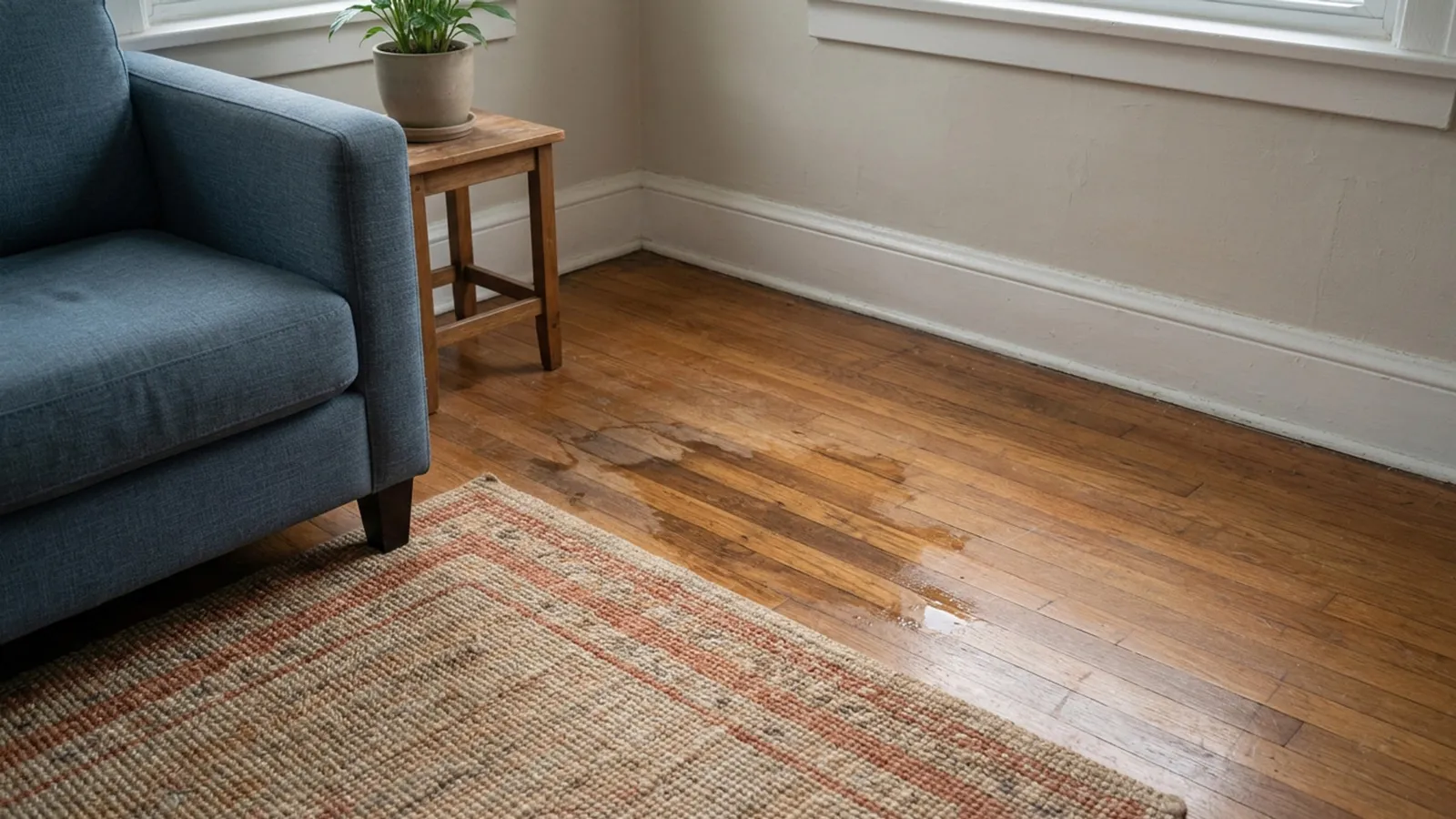
Water through the ceiling, a tree on the roof or a burglary at the door: a claim usually begins on a bad day. The household that has its records in hand tends to have an easier conversation with the insurer than the household that has to rebuild them.
This guide covers what you do and keep, and what to ask. It does not tell you what your policy covers. Your policy and your state’s rules decide that, and the insurer or a licensed agent can explain them. It also gives no repair instructions. If there is a fire, gas smell, electrical hazard, structural damage or a roof problem, get everyone safe, call emergency services or a licensed professional, and come back to the paperwork afterward.
Step 1: Decide whether to file by checking your deductible
The National Association of Insurance Commissioners (NAIC) advises homeowners to find out their deductible before reporting damage. For minor damage, paying out of pocket may be the better choice. It makes more sense to file when repairs will exceed the deductible or the damage is extensive (NAIC, checked November 18, 2026).
The deductible is on your declarations page. Our guide to reading the declarations page explains how to find it, including cases where one policy lists a dollar deductible for some losses and a percentage for others. If you are unsure which applies to your loss, ask the insurer before you decide.
Whether a claim could affect your future premium or renewal depends on your insurer and state, so ask. Do not rely on an assumption either way.
Step 2: Notify the insurer promptly
NAIC says it is important to notify your insurer right away, and that the time you have to report a claim varies by state (NAIC, checked November 18, 2026). A second NAIC page adds that your policy may require notification within a certain time frame (NAIC, checked November 18, 2026). Read the claims section of your policy for any stated period.
When you call your agent or the claims line, have your policy number if you can, plus your name, address and phone number. Explain what happened and describe the extent of the damage. Keep the details accurate and complete, and note the date and time of the call.
Step 3: Record the damage before changing anything
Take photos and video of the damage and make a list of all damaged property, which you will need for the adjuster meeting. NAIC also advises keeping damaged personal property so the adjuster can inspect it, if possible, and keeping receipts for repairs and new purchases (NAIC and NAIC, checked November 18, 2026).
A home inventory made before a loss is the easiest starting point. NAIC says an inventory should include vital information about your belongings, such as brand, price, purchase date, model, serial number and receipts, plus photos, and suggests emailing it to family, friends or your agent so a copy exists outside the home. NAIC also offers a free smartphone app for creating one (NAIC, checked November 18, 2026). Without one, start listing what was damaged from memory, photos and receipts.

Step 4: Handle temporary and permanent repairs with care
NAIC advises making temporary repairs to prevent further damage and keeping the receipts, which your policy should cover. Wait for the adjuster to inspect before any permanent repairs, because the claim may be denied if you make permanent repairs first (NAIC, checked November 18, 2026). Whether a specific temporary measure is covered is a question for your insurer. Use a licensed professional for anything electrical, gas, structural or roofing-related.
Be careful with contractors. NAIC warns that signing an assignment of benefits can transfer your insurance rights to a contractor, and that you do not have to sign one to have repairs done. It suggests getting more than one bid, using local or trusted companies and letting your adjuster review estimates before repairs begin (NAIC, checked November 18, 2026). Our guide to comparable contractor quotes shows how to ask for bids that can be compared. Do not agree to anything you are uncomfortable with or let anyone pressure you to sign.
Step 5: Meet the adjuster prepared
Be present for the inspection if you can. Bring your list of damaged property, and consider having your contractor attend. Take notes, including the adjuster’s contact information and the timeline for next steps. Questions worth asking include:
- Which part of my policy covers this loss, and which deductible applies?
- Does the policy pay replacement cost or actual cash value for this item? NAIC explains that replacement cost does not deduct depreciation, while actual cash value reimburses the amount after depreciation (NAIC, checked November 18, 2026).
- Can I have an itemized explanation of the settlement offer?
- What documents are still needed from me, and by when?
- Who is my contact, and when should I expect the next update?
Step 6: Keep a claim log
Keep copies of all correspondence. For phone and in-person contacts, record the date, the person’s name and title and what was said, along with your time and expenses (NAIC, checked November 18, 2026). A simple table in a notes file works.
| Date | Who | What was said or sent | Next step and date |
|---|---|---|---|
| (Invented example) Nov. 3 | Claims line | Reported damage, received claim number | Adjuster visit |
The log also helps if you later need to explain a dispute.
Step 7: Know what to do if you disagree
If an offer looks too low, ask the insurer to explain it and point to the specific policy language involved, and find out whether you and the insurer read the policy differently. If that does not resolve it, you can file a complaint with your state department of insurance. NAIC says you should try to resolve a problem with the insurer first, and to gather your policy number, documentation, bills and records and a record of all communication with the insurer (NAIC, checked November 18, 2026).
For how cover choices affect what a claim pays, see our guide to homeowners and renters policies. Money Master at moneymaster.fyi covers the cash side, including how much to keep for a deductible.
Common questions
Should I clean up before the adjuster arrives? Record the damage first. NAIC advises taking photos or videos of the damage before making repairs, and keeping damaged personal property for the adjuster to inspect.
Do I have to use the contractor the insurer suggests? This varies by policy and state, so ask the insurer what your policy and state rules require.
What if I have no records of what I owned? Start with a list built from photos, receipts and memory, and ask the insurer what documentation it accepts.
Does every loss count as covered? No. NAIC says flood and earthquake are typically excluded from homeowners and renters policies (NAIC, checked November 18, 2026). Check your own policy.
Sources checked November 18, 2026: NAIC articles on filing a homeowners claim, getting smart about insurance coverage, understanding homeowners and renters policies, signing away benefits after a storm, and filing a complaint. Confirm deadlines and requirements with your insurer and state department of insurance.