Make a home inventory before you need to file a claim
A room-by-room way to record what you own, keep the proof, store a copy outside the house and update it each year.

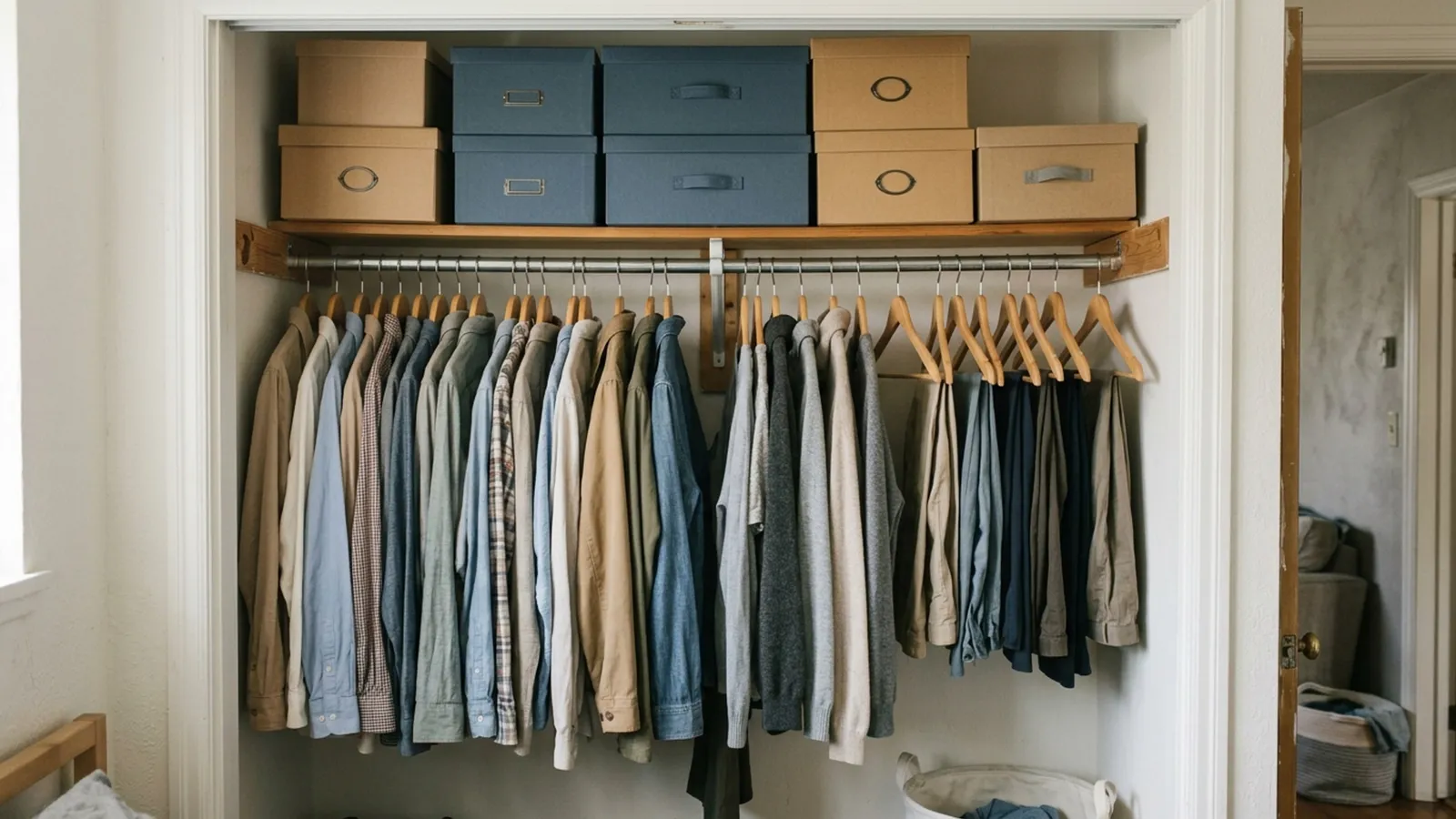
After a fire, a burglary or a storm, you may be asked to say what you lost. Doing that from memory, in a damaged home, is hard. A home inventory is a list of your belongings, with proof, made while everything is still where it belongs.
You do not need special software or a free weekend. A phone, one pass through each room and a place to keep the result are enough to start.
Why the list matters
The National Association of Insurance Commissioners (NAIC) says that without a list you may forget to claim items lost in a covered event, and that the company is only required to pay for personal property you can prove you owned at the time of loss (NAIC, checked November 18, 2026). It also says to create an inventory every year.
An inventory records what you have. It does not decide what a policy pays. Limits, exclusions and how a loss is valued come from your policy, so pair this guide with our guide to the policy your household needs to read. This is general information, not insurance advice.
Start with video if time is short
NAIC’s disaster-preparedness page suggests photographing each item and, if you are short on time, quickly videotaping and/or photographing every room (NAIC, checked November 18, 2026). The California Department of Insurance describes one method: film a walkthrough, narrate each item as you go, and email the file to someone off-site (California Department of Insurance, checked November 18, 2026). That agency also advises labeling photographs with date stamps and any other useful information.
A sensible order is a quick video of the whole home first, then a more careful pass later. A rough record today is worth more than a perfect one you never finish.
Open the places people forget
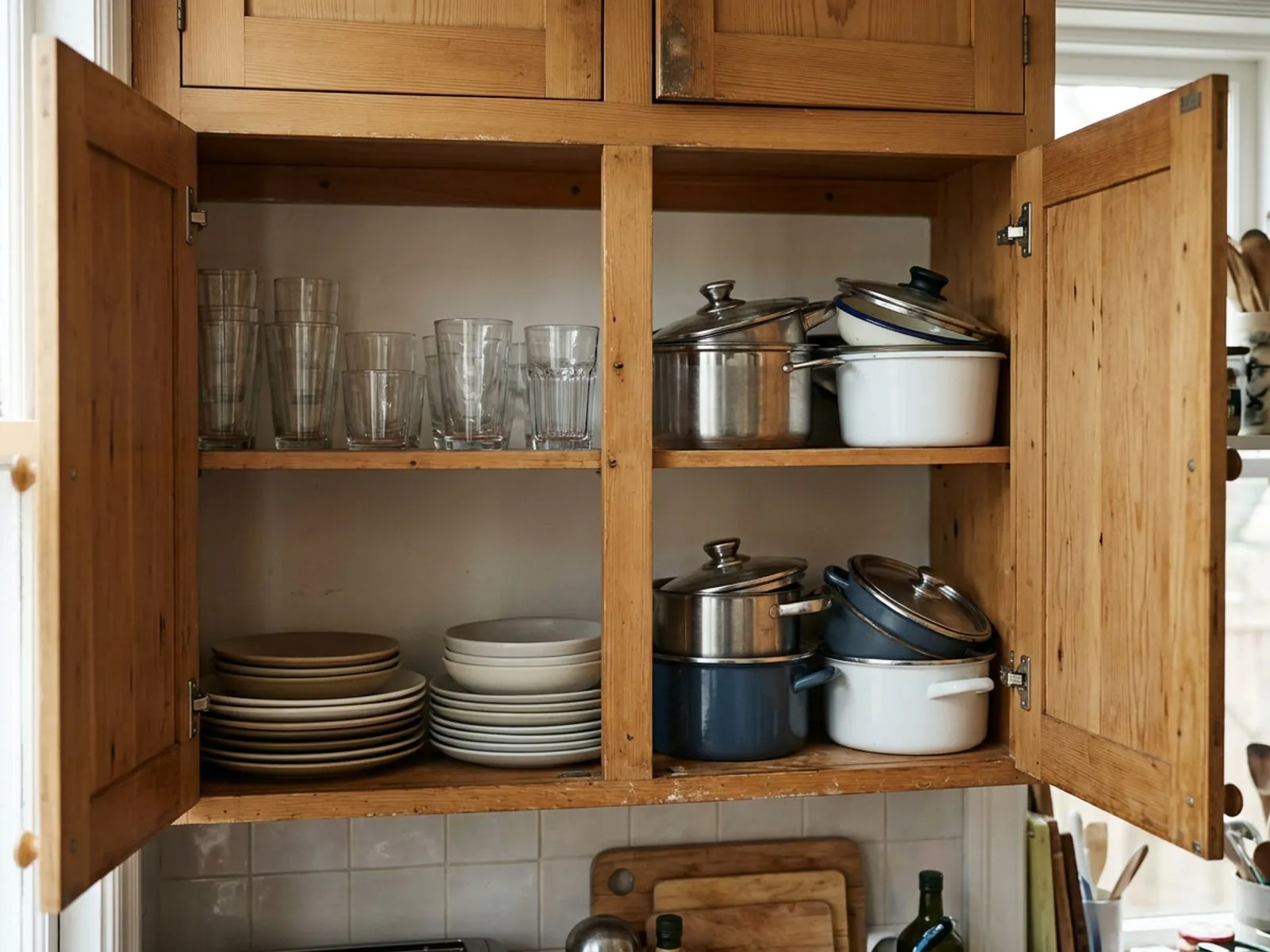
Inventory advice covers more than the living areas: the California Department of Insurance suggests filming every drawer and commenting on each item. Think about what is stored rather than displayed: tools, holiday decorations, sports gear, the contents of kitchen cupboards, clothes in every wardrobe. If you rent, the same applies to your belongings, and building items that belong to the landlord are not part of your list.
Opening each cupboard on camera and saying aloud what is inside helps when the picture is not clear.
Record the details that identify each item
NAIC lists the details to include: brand name, the price you paid, date of purchase, make and model, and serial numbers (NAIC, checked November 18, 2026). Include any receipts with the inventory.
You will not have every detail for every item. A pair of ordinary shoes needs a photo and a rough description. A television, laptop, appliance or piece of jewelry deserves the model, the serial number and, if you have it, the receipt. Photos are especially useful for items that are hard to describe or for which you no longer have a receipt, according to the California Department of Insurance.
A simple row per item is enough:
| Room | Item | Brand and model | Serial number | Date and price | Photo or receipt saved |
|---|---|---|---|---|---|
| Kitchen | Refrigerator | (from the label) | (from the label) | (if known) | Yes |
If an item is a gift or an estimate, write “estimated” rather than leaving a made-up number. Honest gaps are easier to defend than precise guesses.
Gather the receipts you can
Put receipts for larger purchases in the same place as the inventory. Scan or photograph paper ones so that they survive the paper. For things you bought online, search your email for order confirmations and save them to the folder. Appliance manuals and warranty papers often carry model and serial numbers, which saves a trip behind the refrigerator.
You can also add a photo of the label on the back of equipment, taken once, rather than copying numbers by hand.
Keep a copy outside the house
An inventory kept only in a desk drawer can be lost with the home. NAIC suggests keeping backup copies with your insurance information somewhere other than your home, such as with a family member or your insurance agent, so that you can reach them if you must evacuate. The California Department of Insurance names a safe-deposit box, your workplace or a relative’s home. Ready.gov says to store important documents in a safe-deposit box, on an external drive or in the cloud so they are easy to reach in a disaster (Ready.gov, checked November 18, 2026), and advises you to document and insure your property now.
Use at least two places: one at home that you can reach easily, and one that would survive the home. Be careful who can see it. The list shows what you own and where it is, so choose a trusted person and a protected cloud account, not a shared folder open to anyone with the link.
Use an app if it helps, but test it
NAIC offers a free home inventory app for iPhone and Android that guides you room by room and can create a backup file to email to yourself or your agent (NAIC, checked November 18, 2026). An app is optional. If you use one, export your inventory once and open it on another device, so you know you can get the data out. A spreadsheet plus a folder of photos works just as well.
Update it once a year
NAIC says to create an inventory every year, the California Department of Insurance says to refresh it at least once per year and adds that you should tell your insurer about new purchases so that cover matches the value of your belongings. Tie the update to something you already do. The renewal is a natural moment: our guide to reading your declarations page before renewal fits well alongside it. If you keep a shared household page, as described in this guide, note the inventory’s location and next update date there.
Also update after a large purchase, an inheritance or a move. Replace old photos rather than piling up versions that you cannot sort later.
For how to pay for cover and how to pay less for it, see Money Master.
Common questions
Do I need to list everything? No. Record enough that you could rebuild a reasonable list. Large and valuable items deserve detail; ordinary items can be covered by room video and photos.
Does an inventory mean my policy will pay for everything on it? No. It documents what you owned. Your policy decides what is covered, up to what limit and on what valuation basis. Ask your insurer or agent how a loss would be valued.
Is video enough? It is a good start. NAIC and the California Department of Insurance both pair photos or video with written details such as serial numbers and receipts, which video can miss.
Where should the master copy live? In a place you can reach after a disaster and a second copy somewhere off-site. Avoid keeping the only copy on a device inside the house.
Sources checked November 18, 2026: NAIC, disaster preparedness; NAIC, what insurance doesn’t cover; California Department of Insurance, home inventory guide; Ready.gov, financial preparedness.