A roof replacement proposal: what to check without climbing the roof
How to review a roof replacement proposal and its warranty from the ground and the paperwork, without going on the roof or judging structural or roofing work yourself.

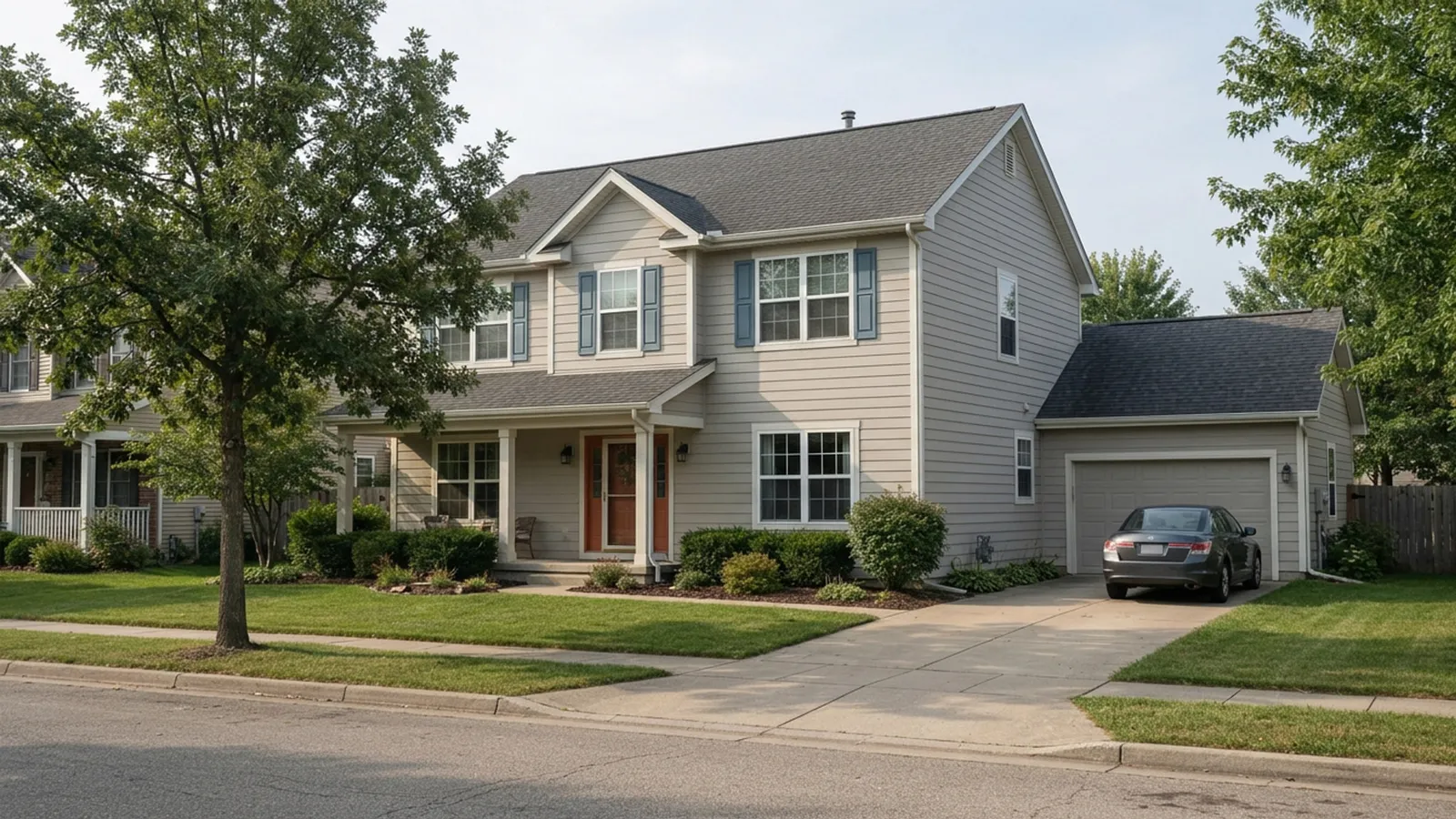
A roofing proposal asks you to judge work you cannot easily see, on a surface you should not walk on. You do not have to assess the roof to review the proposal. What you can check is the paperwork: what the contractor says is wrong, what will be done, what is excluded, who stands behind it and how payment is tied to progress.
This guide covers that review. It does not teach any roofing, structural or electrical work, and it does not tell you whether a roof needs replacing. A qualified roofing professional, and where relevant a structural professional, makes those judgments. Pairing this with the same-brief approach helps the proposals line up.
Stay off the roof
Roof work is hazardous even for trained crews. The Occupational Safety and Health Administration says falls are the leading cause of death in construction, with 389 fatal falls to a lower level among 1,034 construction fatalities in 2024, using Bureau of Labor Statistics data (OSHA, Stop Falls, checked November 18, 2026). The page also mentions hazards such as holes, skylights and leading edges. Nothing in a proposal review requires you to climb up, so use a ground-level view, photographs from the contractor and the written report instead.
Step 1: Ask for the findings in writing, with photographs
A proposal should say what condition the contractor found and why that leads to replacement as opposed to repair. Ask for dated photographs and a written description tied to specific areas of the roof.
You are not verifying the findings yourself. You are checking that they exist, are specific and are consistent between contractors. If one says the whole roof needs replacing and another says a section can be repaired, ask each to explain the difference in writing. The Federal Trade Commission advises asking for an explanation when estimates differ greatly and says not to automatically choose the lowest bidder (FTC, How to Avoid a Home Improvement Scam, checked November 18, 2026).
Be wary of pressure. The FTC lists contractors who say they are “in the area,” who claim to have leftover materials, or who demand an “immediate decision” among its red flags.
Step 2: Check the scope line by line
The FTC says a written estimate should describe the work, the materials, the completion date and the price. For a roof, use the following as questions, not as a technical standard. Mark each as stated, missing or unclear.
- What existing roof covering is being removed, and what happens to it.
- The named product for the new covering and any related materials, so the same product can be priced by another contractor.
- Whether any damaged underlying material is expected to be found, and how the contractor prices and approves it if found.
- Who handles protection of the property, cleanup of debris and a final inspection.
- Whether the proposal states work that is excluded.
You do not need to know whether each item is technically right. You need the two proposals to be answering the same questions, so that a difference in price can be traced to a difference in scope. A phrase like “all necessary work included” is a prompt to ask what is necessary.
For anything involving the structure, ventilation, gas appliance flues or electrical items on the roof, ask the contractor to state who is responsible and to name the licensed trade doing it.

Step 3: Confirm licensing, insurance and permits
The FTC advises considering only contractors who are licensed and insured, confirming the license with your state or county government and asking for proof of insurance. Check with the issuing authority, not with a badge on a website. Requirements differ by state and locality, so the right office depends on where you live.
Ask who obtains any required building permit and whether an inspection is part of the process. The FTC lists a contractor asking you to get required building permits yourself as a red flag.
Step 4: Read the warranty as two separate promises
A roofing job usually carries two kinds of warranty: one on the materials from the manufacturer and one on the installation from the contractor. Ask for both in writing and note, for each, who provides it, what is covered and excluded, how long it lasts, what you must do to keep it valid, and how a claim is made.
Federal law is limited on this point. The FTC’s business guidance says the Magnuson-Moss Warranty Act does not require a business to provide a written warranty, but that a written warranty on a consumer product must be titled “full” or “limited.” The Act does not apply to warranties on services, although a warranty covering both the parts provided for a repair and the workmanship can fall within it (FTC, Businessperson’s Guide to Federal Warranty Law, checked November 18, 2026). Whether a given roofing warranty is covered is a legal question. Read the actual warranty document, and check your state’s consumer protection office if something is unclear.
Two practical questions follow from this. Is the labor warranty provided by the contractor’s business, and will that business still exist when you need it? And does any transfer to a future owner require paperwork from you? The answers belong in the contract, not in conversation.
Step 5: Review the contract and payment terms
The FTC asks consumers to get a written contract even if their state does not require one, and lists what to confirm before signing: the contractor’s name, address, phone number and license number; estimated start and completion dates; written inclusion of any spoken promises about scope or costs; and a written statement of your right to cancel within three business days if you signed at home or somewhere other than the seller’s permanent place of business (exceptions exist, so check your own contract). Make sure no blank spaces remain.
On payment, the FTC says not to pay the full amount up front, notes that some states limit down payments, and tells consumers never to make the final payment until the work is done and they are satisfied. In its guidance on weather-related scams, it advises never paying for repairs or debris removal in cash and says paying by credit card offers some protections (FTC, Four ways to avoid scams after a weather-related disaster, checked November 18, 2026).
An invented example of a payment schedule to ask about, for illustration only: a deposit, a payment when materials are delivered, and a final payment after the completion walkthrough. This is not a standard. State rules differ, so confirm what your state allows.
Step 6: If insurance may be involved
If damage from a storm or other event might be covered by insurance, it may be worth checking with your insurer, and reading your policy’s own terms, before you sign anything. Your insurer can tell you how your policy and any claim process apply to your situation. Our guide to a home maintenance calendar helps you keep roof records, photographs and paperwork together. For how to pay for or reduce the cost of a replacement, see Money Master.
Step 7: Keep the record after the work
At the completion walkthrough, compare the finished work with the written scope from the ground, and record anything unresolved before the final payment. Keep the contract, any approved changes, photographs, invoices, permit and inspection records and both warranties together.
Common questions
Can I judge a roofing quote without knowing roofing?
You can judge whether it is specific, consistent, written and comparable. You cannot judge the technical correctness, and the proposal review does not require it.
Should I get the contractor’s photographs?
Yes, ask for dated photographs and a written description of the findings, and keep them with the contract.
Is there a standard deposit?
The FTC says some states limit down payments and advises checking with your state or local consumer agency. This guide does not give a percentage.
Sources checked November 18, 2026: FTC — How to Avoid a Home Improvement Scam; FTC — Four ways to avoid scams after a weather-related disaster; FTC — Businessperson’s Guide to Federal Warranty Law; OSHA — Stop Falls.