Read a water and sewer bill without confusing the units
What CCF, gallons, base charges, sewer and tiered rates mean on a water bill, with a labeled worked example and two leak checks from EPA.

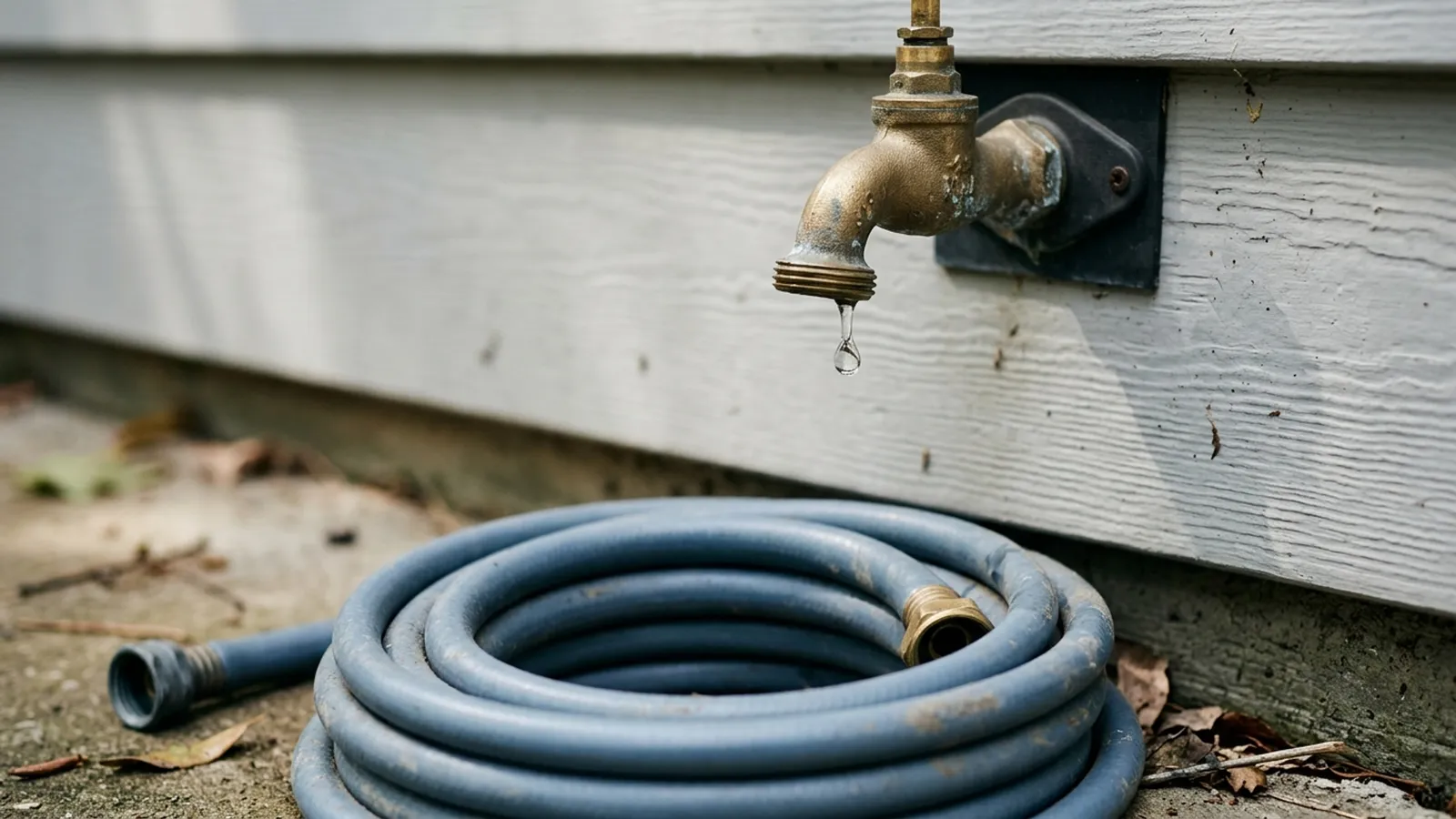
A water bill can list usage as “3 CCF,” next to a sewer line, a base charge and a stormwater fee. If you are used to gallons, the numbers do not seem to connect. The units are the first obstacle, and the way charges are built is the second.
This guide covers both, using the Environmental Protection Agency’s WaterSense pages as the source for how bills are typically organized. Your utility’s own rate schedule is the authority on your actual charges.
The units: CCF and gallons
Utilities measure water in gallons or in CCF, which stands for hundred cubic feet and is also written HCF. EPA says that one CCF equals 748 gallons, and that CCF is the most common unit for water and natural gas utilities (EPA WaterSense, checked November 18, 2026). Some bills use thousands of gallons instead. Check the label on the usage line, because the same number means very different volumes in each unit.
A quick conversion helps. Using EPA’s 748 gallons per CCF:
- 1 CCF is 748 gallons.
- 5 CCF is 3,740 gallons (5 × 748).
- To go the other way, divide gallons by 748. Using an invented figure, 9,000 gallons is about 12.0 CCF (9,000 ÷ 748 = 12.03).
Some utilities round or bill in whole units, so the bill may not match your own arithmetic exactly. Ask if the difference matters.
What the lines on the bill usually are
EPA describes several features that commonly appear. Many utilities combine a fixed base fee with a variable fee that depends on volume. The fixed part helps cover the upkeep of existing infrastructure and the repayment of loans and bonds, so it stays even if you use little water. In EPA’s example bill, a “Water Base Facility Charge” appears on the statement, and EPA says roughly half of that example’s total was tied to water use (EPA WaterSense, checked November 18, 2026).
Sewer works in one of two ways. Some utilities meter both incoming water and outgoing wastewater. Many have only one meter and bill both based on the water entering the home, so reducing your water use also lowers your sewer charge. A separate sewer facility charge may appear as well (EPA WaterSense, checked November 18, 2026). Stormwater, trash or other municipal lines are set by the local government and vary, so read the bill’s own descriptions or the utility’s guide.
If the bill has several lines, sort them into three groups: fixed charges that stay the same, charges that rise and fall with your water use, and flat charges for other services. Only the second group responds to what you do at home.
How the rate is built
EPA describes several rate structures, including these four common ones (it also lists flat fee, seasonal and drought rates):
- Increasing block rates: each higher block of usage costs more per unit, a design meant to promote conservation.
- Declining block rates: each higher block costs less per unit, typically found in rural or water-rich areas.
- Uniform rates: one constant price per unit for all metered use.
- Water budget rates: one rate up to a budget based on household or property size, and a higher rate above it (EPA WaterSense, checked November 18, 2026).
Which one applies is in your utility’s published rate schedule.
A worked example with invented numbers
This is a hypothetical bill. The rates are teaching numbers, not a local tariff or typical prices.
Suppose a household used 10 CCF in a month. The utility charges a $20 base fee, then $3.00 per CCF for the first 6 CCF and $4.50 per CCF above that (an increasing block rate). Sewer, in this example, is billed at $2.50 per CCF of water used.
- Base fee: $20.00
- First block: 6 CCF × $3.00 = $18.00
- Second block: 4 CCF × $4.50 = $18.00
- Sewer: 10 CCF × $2.50 = $25.00
- Total: $20.00 + $18.00 + $18.00 + $25.00 = $81.00
Now say the household cuts use to 8 CCF.
- Base fee: $20.00
- First block: 6 × $3.00 = $18.00
- Second block: 2 × $4.50 = $9.00
- Sewer: 8 × $2.50 = $20.00
- Total: $20.00 + $18.00 + $9.00 + $20.00 = $67.00
The saving is $14.00, or about 17% of the first total ($14 ÷ $81 = 17.3%). Usage fell 20%, but the total fell less because the $20 base fee did not change. That is the general pattern with fixed charges: reducing use helps, but never by the full percentage.
Check the meter and the trend for leaks
EPA suggests looking at the usage trend graph if your utility provides one. If usage rises when you have not increased outdoor watering, that may indicate a leak (EPA WaterSense, checked November 18, 2026).
EPA’s Fix a Leak Week page gives two further checks. First, look at usage in a colder month, such as January or February. If a family of four uses more than 12,000 gallons a month, there could be serious leaks. Second, record the meter reading, wait two hours without using any water, and read it again; if the reading changed, you probably have a leak. A toilet leak test uses a few drops of food coloring in the tank: if color shows in the bowl after 10 minutes, there is a leak, and you should flush promptly to avoid staining (EPA WaterSense, checked November 18, 2026).
The same page says household leaks can waste more than 9,300 gallons per year on average, and that about 9% of homes have leaks wasting 50 gallons or more per day. For context, EPA says the average American family uses more than 300 gallons of water a day at home, about 70% indoors and 30% outdoors, with the outdoor share higher in drier regions (EPA WaterSense, checked November 18, 2026).
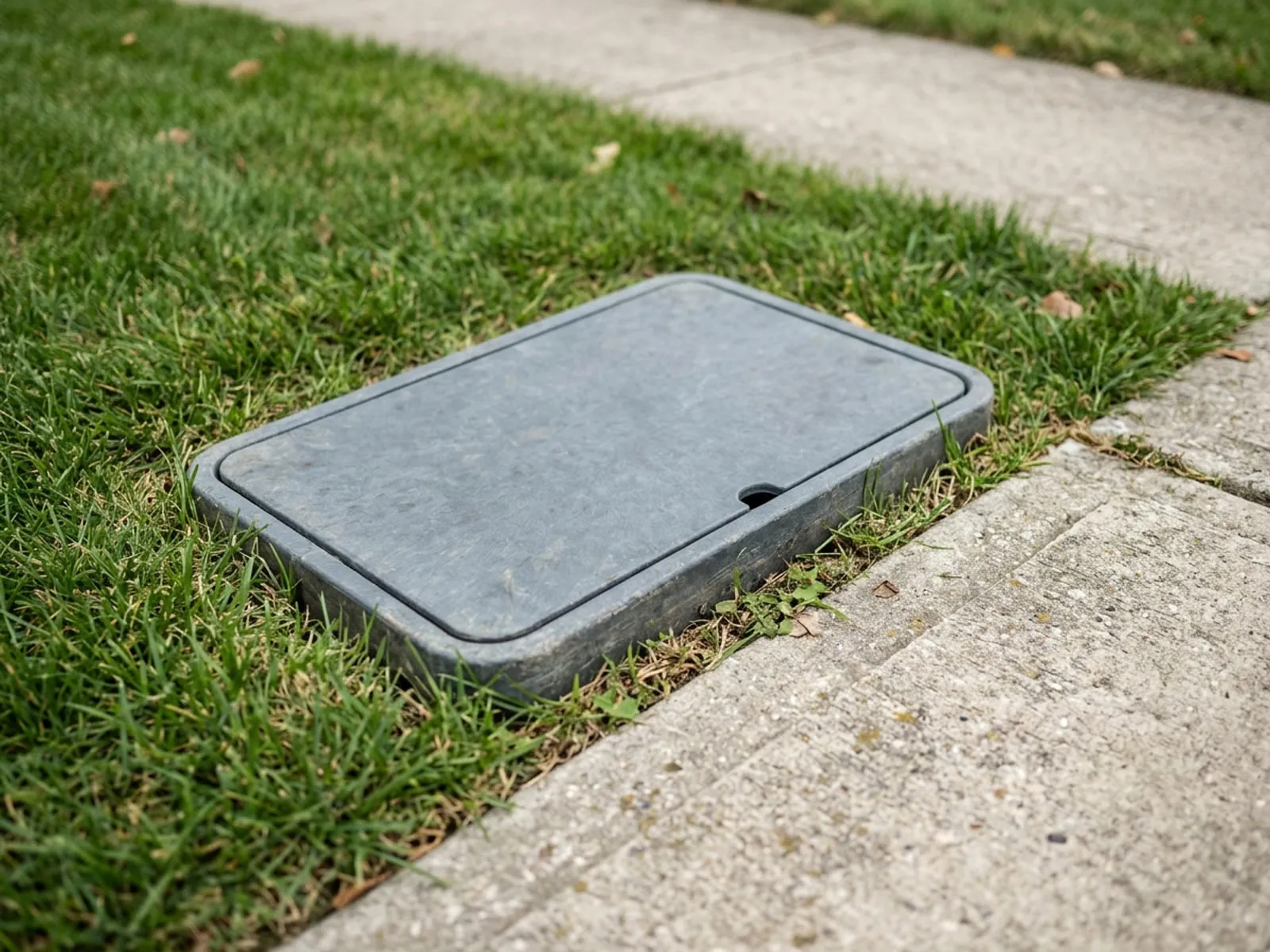
If a meter test suggests a leak, locate it or call a licensed plumber. Ask your utility whether it offers any adjustment for a leak, since policies vary.
Make it part of the routine
Add the water bill to the household bill calendar, note the units, and compare each month with the same month last year. Many utilities bill monthly or every two months, so check the period length before comparing. The approach mirrors the one in reading your electricity bill: separate usage, rate and fixed charges. A leak check fits into the maintenance calendar once or twice a year.
Common questions
Why did my bill rise when I used the same water? Check the billing period length, a change in the rate schedule, or a block rate that moved more of your use into a higher tier.
Do I pay sewer on outdoor watering? If your sewer charge is based on water use, it may be, unless the utility offers a separate meter or adjustment. Ask the utility.
Who do I ask about a high bill? Start with the utility’s customer service and request a meter reread.
Sources checked November 18, 2026: EPA WaterSense, understanding your water bill; how we use water; Fix a Leak Week. All bill figures above are invented examples. Your utility’s rate schedule governs your charges.