Flood, surface water or a leaking pipe: which policy responds
A guide to sorting water damage by where the water came from, so you know whether to call your home insurer, your flood insurer or both.

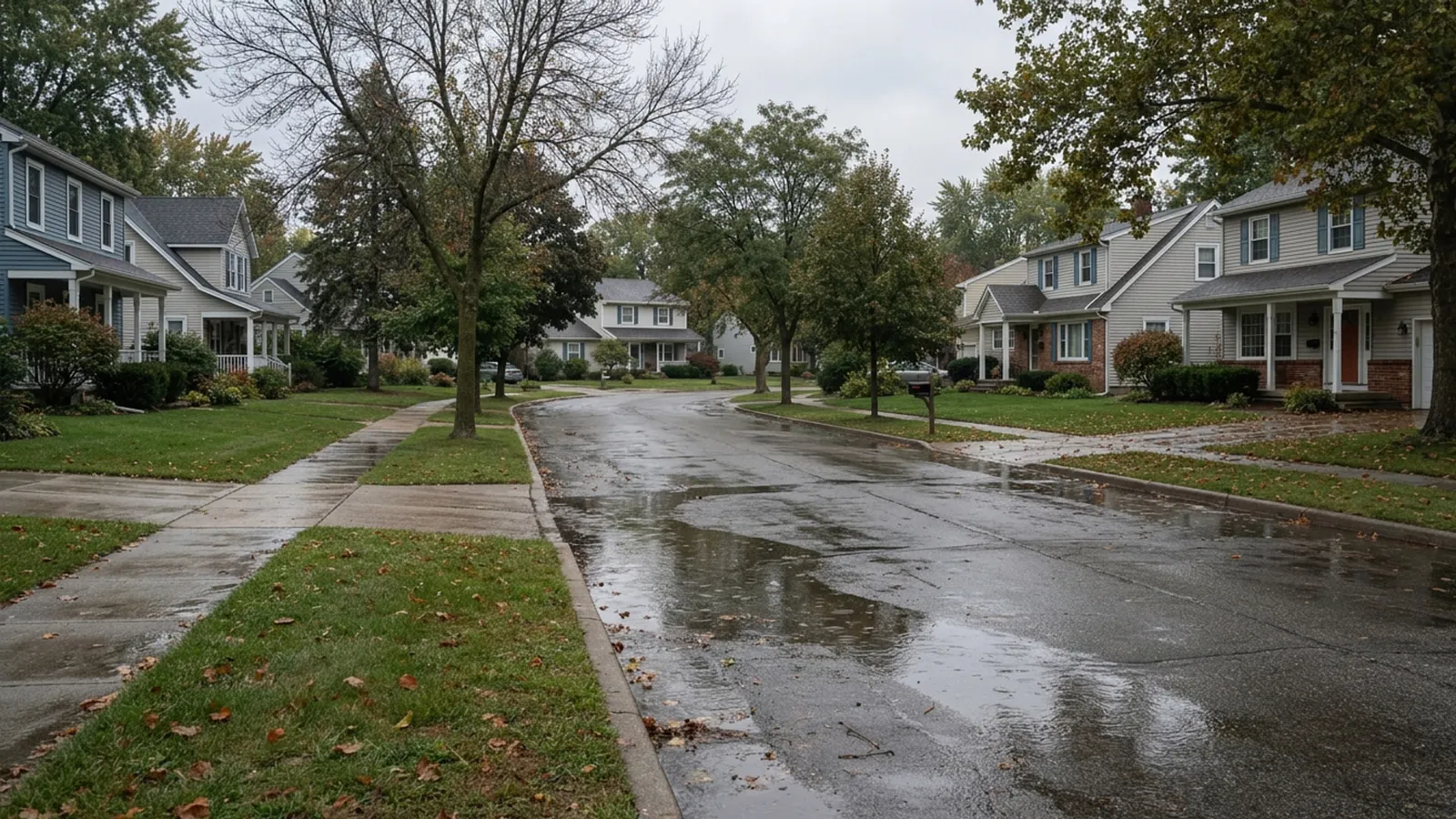
Water in the house raises one question before any other: whose policy pays? The answer turns on where the water came from, not on how much of it there is or how bad the damage looks. A burst pipe, a backed-up drain and a creek that rose over the yard can leave similar puddles and land on different policies.
This guide explains the sorting rules in general terms. It is not a coverage opinion. Your policy wording and your insurer decide any actual claim, and policies vary by company and state.
Start with the source of the water
FEMA says most homeowners insurance does not cover flood damage, and that flood insurance is a separate policy that can cover a building, the contents in it, or both (FEMA, checked November 18, 2026). The National Association of Insurance Commissioners (NAIC) describes the same split: separate policies for flood or earthquake may be purchased by people in areas prone to those perils (NAIC, checked November 18, 2026).
So the first job is to name the source:
- Water from inside the house’s own plumbing.
- Water that came up through a drain or sewer line.
- Rain that came through the roof or around a window.
- Water that came in from outside, across the ground.
What the flood program counts as a flood
The National Flood Insurance Program (NFIP) defines a flood as a general and temporary condition of partial or complete inundation of two or more acres of normally dry land, or of two or more properties, one of which is the insured property. Qualifying sources include overflow of inland or tidal waters, unusual and rapid accumulation or runoff of surface waters from any source, mudflow, and collapse or subsidence of shoreline land caused by water erosion (NFIP agent site, What is a flood?, checked November 18, 2026).
The same page lists examples that count: storm surge, overflowing rivers, streams or lakes, water released from breached or damaged dams and levees, mudflow, and rain or snowmelt that accumulates and flows into a home. FloodSmart adds that flood insurance covers many causes, including heavy or extensive rainfall, melting snow and ice, changes to the land such as new buildings and sidewalks or burned grass and trees after a wildfire, and water seeping through a dam or levee or a broken water main (FloodSmart, checked November 18, 2026).
“Surface water,” then, is the key idea. Water running or pooling over the ground and entering the home is the classic flood claim. Flood policies pay for flood-caused loss to the building and contents, subject to their own terms.
What the flood program does not treat as a flood
The NFIP agent page also lists situations that are not flood coverage:
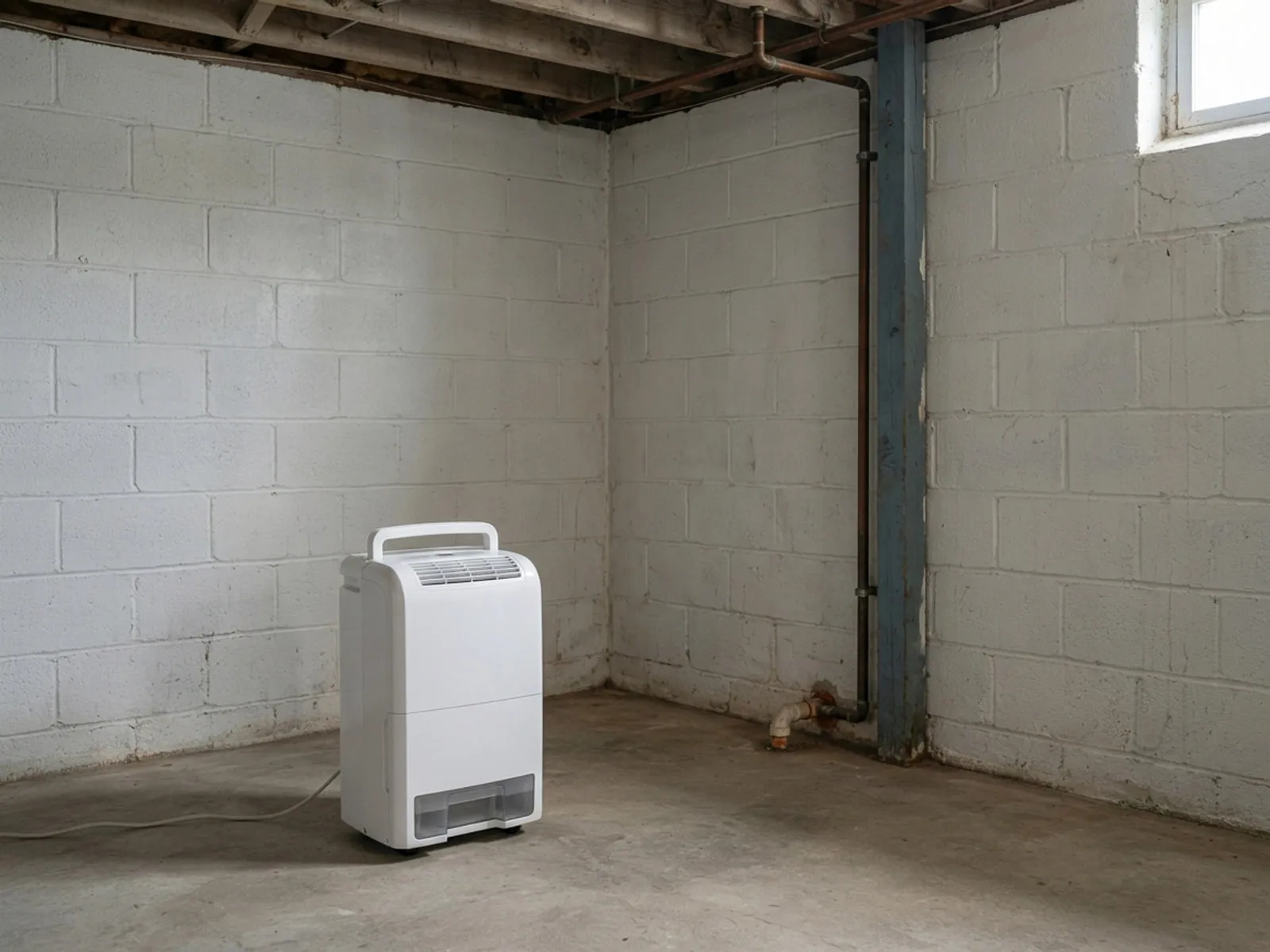
- Sewer or drain backup: not covered unless a flood caused the backup.
- Plumbing leaks: an internal source such as a broken pipe or water heater may be covered by a homeowners or renters policy, but not by flood insurance.
- Wind-driven rain or roof leaks: not flood. These may be covered by homeowners or renters policies or by a special wind damage rider.
- Landslides: not covered by flood insurance or by standard homeowners or renters policies.
A sorting table
This table is a starting guide for which conversation to have, not a promise of coverage.
| Where the water came from | Which policy to ask first | What to check |
|---|---|---|
| Broken pipe or failed water heater | Homeowners or renters | NFIP says flood insurance does not cover it; ask your insurer about cause-of-loss wording and the deductible |
| Rain or snowmelt flowing over the ground into the home | Flood | Whether you have a flood policy and its building and contents coverage |
| River, lake or coastal overflow | Flood | Same as above |
| Sewer or drain backup with no flood in the area | Homeowners, only if a water backup coverage has been added | NAIC lists sewer or drain backup coverage as a common optional add-on |
| Sewer or drain backup caused by a flood | Flood policy, then the homeowners insurer for the rest | The flood policy covers backup only when a flood caused it |
| Wind-driven rain or roof leak | Homeowners or renters | Whether the opening was caused by a covered peril; any wind rider |
| Groundwater seeping through a basement wall or floor | Ask both insurers | The sources cited here do not say which policy responds; ask your insurer how each policy treats it |
The seepage row is a plain gap: none of the pages cited here says whether homeowners or flood insurance responds to groundwater coming through a basement wall or floor. FEMA publishes a fact sheet titled “What Does Flood Insurance Cover In A Basement?” on its flood insurance page, and your insurer can say how your own policy treats it.
Why you may need to ask both insurers
Real events are messy. A storm can bring surface water and a roof leak at once. Rising water can overload a sewer so that it backs up. In those cases the damage may need to be divided between policies. FEMA also publishes guidance on “Wind Damage vs Water Damage” for people filing claims, which covers how the two kinds of damage are told apart.
If the source is unclear, one option is to contact every insurer that might respond and ask each to confirm in writing what it covers and what it does not, along with its claim deadlines.
Check before the water comes, not after
Flood insurance is not instant. FEMA says there is typically a 30-day waiting period for an NFIP policy to go into effect, with exceptions including coverage required by a government-backed lender and coverage related to a community flood map change (FEMA, checked November 18, 2026). A policy bought when the river is already rising may not respond to that event.
FloodSmart also warns that federal disaster assistance is not guaranteed, because it is only available with a presidential disaster declaration and most flood events do not result in one (FloodSmart, checked November 18, 2026). Flood coverage is available through a network of private companies and the NFIP Direct; the FEMA page lists the NFIP call center at (877) 336-2627 and says to contact your usual agent for questions about policies.
A short review before any loss can include:
- Finding your policy declarations to see whether any water backup coverage is listed. The guide to reading the declarations page shows how.
- Asking your agent whether you have flood coverage, and if not, what a quote would involve.
- Reviewing the types of cover in the homeowners and renters policy guide.
If water gets in
Many people document the damage first: dated photos or video before cleaning up, a list of what was affected and receipts for emergency steps. Each insurer that may apply can then be asked about deadlines and required forms. For safety, licensed professionals handle electrical, gas and structural questions, and flooded areas with live electrical equipment are best avoided.
How to pay less for cover is a Money Master topic; its home page covers shopping around and budgeting.
Common questions
Does homeowners insurance cover flood? FEMA says most homeowners insurance does not. Flood insurance is a separate policy.
Does a burst pipe count as a flood? Not under the NFIP definition. The NFIP agent site says internal sources such as a broken pipe or water heater may be covered by a homeowners or renters policy, but not flood insurance.
Is sewer backup covered? Often neither policy covers it by default. NAIC lists sewer or drain backup as a common optional add-on to homeowners cover, and the flood program covers backup only when a flood caused it.
Can renters buy flood insurance? FEMA says the NFIP provides flood insurance to property owners, renters and businesses.
Sources checked November 18, 2026: FEMA, Flood Insurance; FloodSmart, What is a flood?; NFIP agent site, What is a flood?; NAIC, Homeowners Insurance.