Flood insurance basics: why your home policy usually does not cover a flood
Standard home and renters policies usually exclude flood. Here is how the federal flood program works, what building and contents cover mean, and where private flood policies fit.

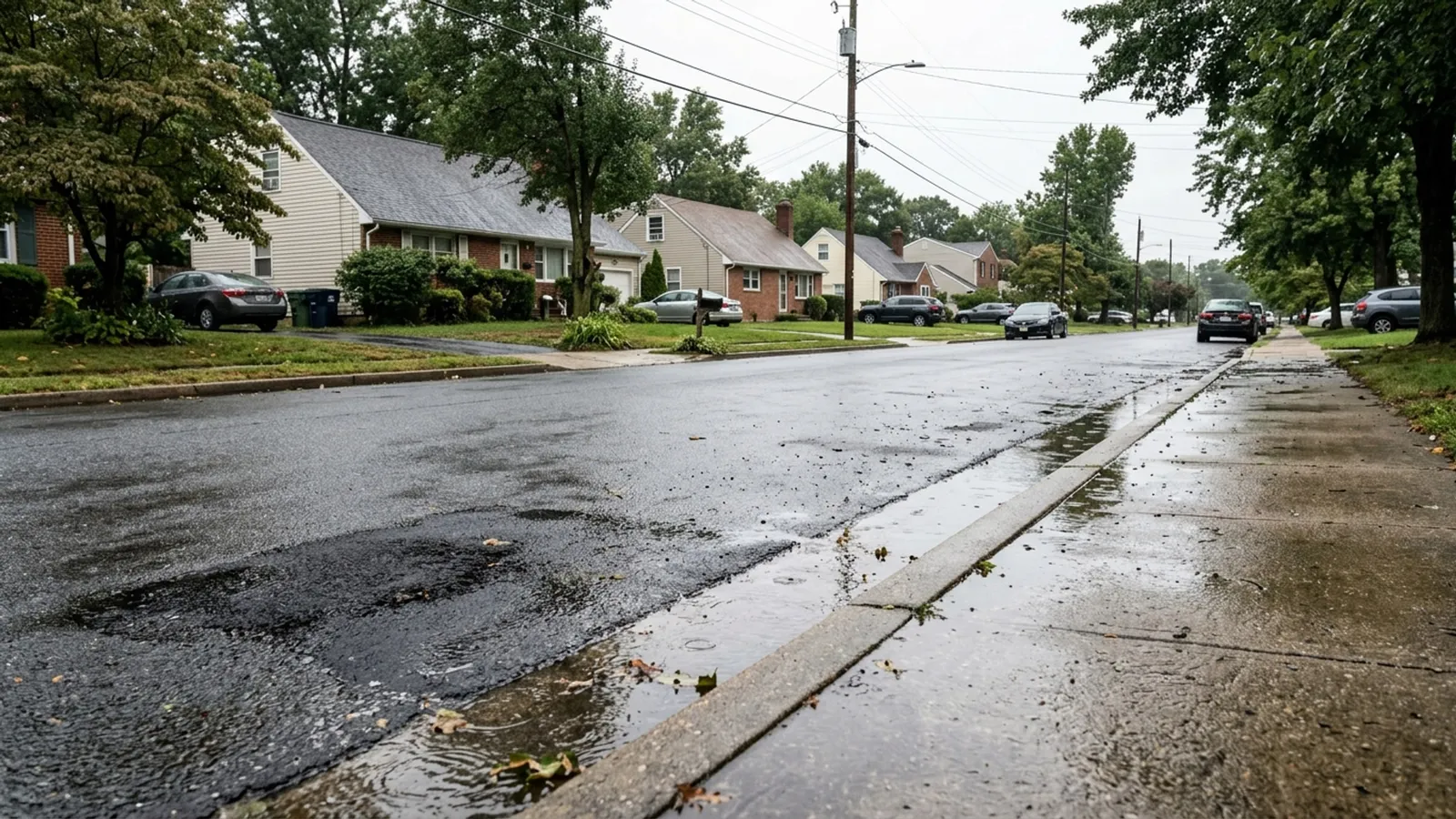
Many households learn about the flood gap after a storm, when it is too late to fix. A homeowners or renters policy can feel like blanket protection for the home, yet water that rises from outside is often handled by a different product entirely.
This guide covers the basics: why flood is usually excluded, how the federal flood program works, and what the private market adds. It is general information, not advice about your particular home or policy.
Why a standard home policy usually leaves flood out
FloodSmart, the federal flood insurance site, says most homeowners insurance does not cover flood damage and that only flood insurance covers the cost of rebuilding after a flood (FloodSmart, checked November 18, 2026). The National Association of Insurance Commissioners (NAIC) says in its policy-reading guidance that flood and earthquake are typically excluded from homeowners and renters policies (NAIC, checked November 18, 2026).
Exclusions live in the policy wording, so the practical step is to read yours. Our guides on identifying the policy you need to read and reading the declarations page at renewal show where to look and what to ask. A phrase like “water damage” in a summary does not settle whether rising water from outside is covered.
How the federal program works
The National Flood Insurance Program (NFIP) is run by the Federal Emergency Management Agency (FEMA). It is sold through insurance companies and also directly, and it is open to people living in participating NFIP communities (FEMA, checked November 18, 2026). Whether your community takes part is something to confirm, because it decides whether you can buy NFIP cover at all.
FEMA says property owners, renters and businesses in a participating community can buy a policy. FloodSmart’s agent page adds that owners of residential condominium units can buy too, and it lists some ineligible properties, such as buildings in Coastal Barrier Resources System areas and buildings below ground or entirely over water (FloodSmart agents, checked November 18, 2026).
You do not need to live in a high-risk zone to buy. FEMA notes, however, that homes and businesses in high-risk flood areas with mortgages from government-backed lenders must carry flood insurance. NAIC says the same about homeowners in high-risk areas with mortgages from federally regulated or insured lenders (NAIC, checked November 18, 2026). Lender rules elsewhere vary, so ask yours.
Building cover and contents cover are separate
An NFIP policy can cover a building, the contents of a building, or both. They are bought separately and carry separate deductibles (FloodSmart, checked November 18, 2026).
For homeowners, FloodSmart lists building cover up to $250,000 and contents cover up to $100,000. For renters, contents cover is up to $100,000. A renter would not typically buy building cover, because the landlord owns the structure. NAIC says renters policies typically exclude flood too.
Those are maximums, not what you will necessarily receive. Limits, deductibles and what counts as a covered item are set by the policy, so ask for the specifics. If your home or belongings are worth more than the federal limits, that gap matters, and the private market is one place to look.

The waiting period
An NFIP policy usually takes effect 30 days after purchase, so it cannot be bought as a reaction to a forecast. FloodSmart lists exceptions: no wait when the policy is bought alongside a mortgage that is made, increased, extended or renewed, and no wait for added cover chosen at renewal. It also lists a one-day wait for a property in a newly designated high-risk zone, if the policy is bought within 12 months of the map update, and a one-day wait after flooding caused or worsened by a wildfire on federal land if bought within 60 days of containment (FloodSmart, checked November 18, 2026).
FloodSmart’s agents page refers to a 13-month period following a map revision, while its buy-a-policy page says 12 months. If that exception might apply to you, confirm the exact window with your insurer or agent. For everyone else, the working assumption is a month’s delay.
The private flood option
Private insurers also sell flood cover. NAIC says private policies may have higher limits or broader coverage than NFIP policies and and points consumers to their state insurance department for which private insurers write flood cover where they live (NAIC, checked November 18, 2026). NAIC also notes that NFIP and some private flood policies have a 30-day waiting period, so a private policy is not automatically faster.
Another structure is excess flood insurance, which sits on top of standard flood cover. NAIC says a homeowner can buy excess flood insurance but must be covered by NFIP flood insurance first (NAIC, checked November 18, 2026). That requirement is stated for excess cover, not for every private policy.
If you have a federally backed mortgage in a high-risk area, ask your lender whether it accepts a private policy before you rely on one. Terms differ, so compare the actual wording on limits, what is excluded, how contents are valued and what the waiting period is.
Questions to work through
Three plain questions frame the topic. Does your current policy say anything about flood? Is your community in the NFIP? Would you be a building owner, a contents-only renter, or both? A flood-cover question also fits a yearly insurance review, with the answer recorded where you keep your other household records, as described in running a household without keeping every detail in your head.
Whether to buy, and how much, depends on your home, your finances and your lender. Shopping around and paying less for premiums are covered on Money Master; this guide only explains what the cover is.
Common questions
Does homeowners insurance cover flood damage? Usually not. FloodSmart says most homeowners insurance does not cover flood, and NAIC says flood is typically excluded from homeowners and renters policies. Check your own policy wording and ask the insurer about any exception.
Can renters buy flood insurance? Yes, if their community participates in the NFIP. A renter would typically buy contents cover; the building is the landlord’s responsibility.
Can I buy flood insurance after a storm is forecast? Generally not in time. NFIP policies usually wait 30 days to take effect, with the exceptions described above.
Is private flood insurance better than NFIP? Neither is better for every household. NAIC says private policies may offer higher limits or broader cover, so compare actual terms, and ask your lender if you have a required policy.
Sources checked November 18, 2026: FloodSmart, FloodSmart buy a policy, FloodSmart agents: flood insurance 101, FEMA flood insurance, NAIC flood insurance (consumer), NAIC flood insurance topic, NAIC homeowners and renters policies.