Audit a utility billing error with meter readings and a clear complaint
A step-by-step way to test a suspect utility bill against your own meter readings, document the gap and escalate to the utility and then the state regulator.

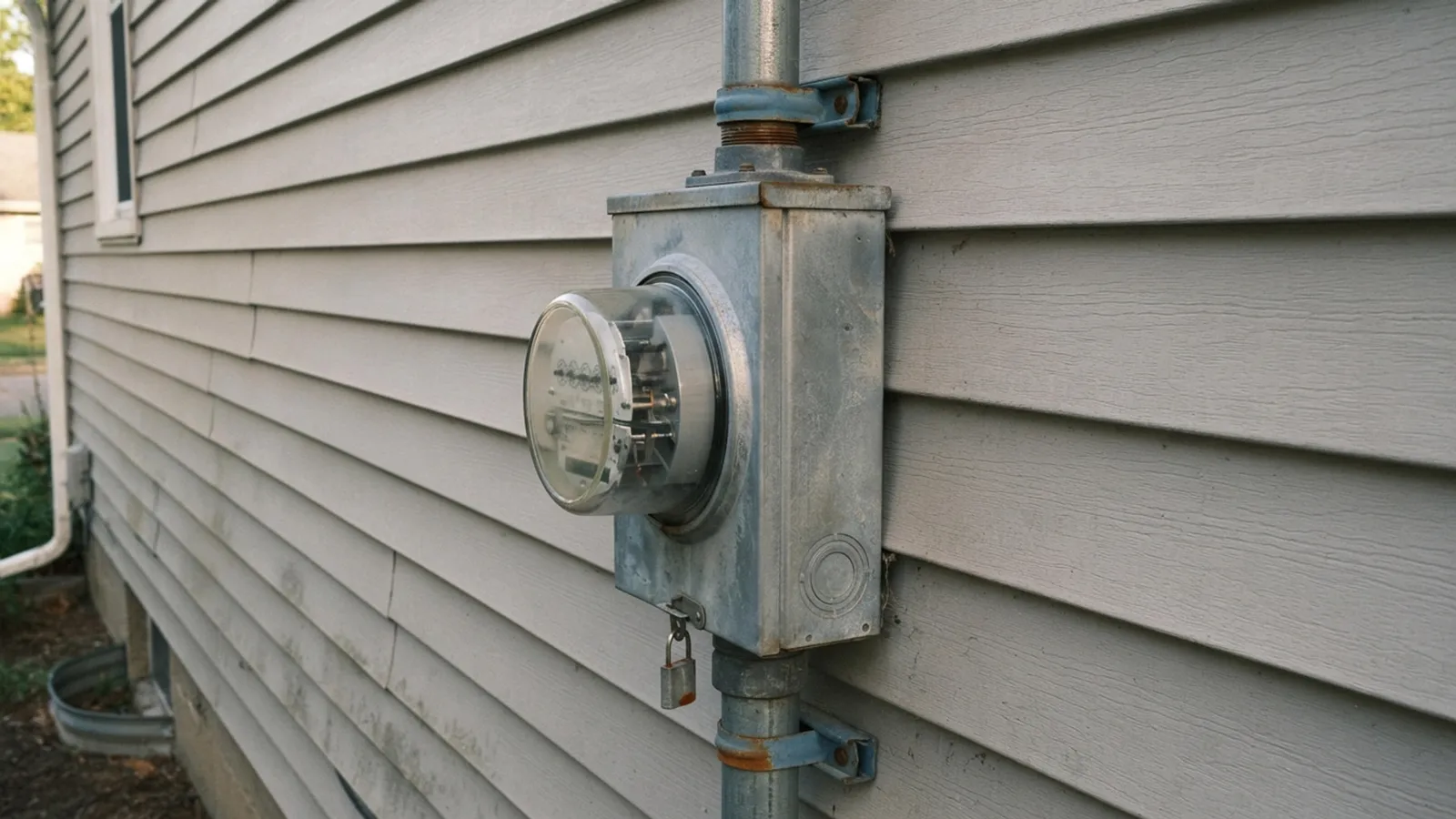
A utility bill can be wrong because of an estimated reading, a mistyped one, a wrong rate, a charge that does not belong or real use that is higher than you expected. Which of these applies determines who needs to fix it. The way to find out is to compare the bill with your own record, then raise the problem in a form the utility can act on.
This guide shows how to build that record and how to escalate. It does not decide your rights in a dispute: payment, disconnection and deposit rules differ by state and utility, so confirm them before you withhold any payment.
Step 1: Reconcile the bill before you suspect an error
Pull the bill and any previous two or three. If you cannot yet tell usage from fixed charges, work through the electricity-bill guide first. Note the billing period dates, the previous and current reading, whether each is marked actual or estimated, the units used, the rate plan and every fixed or one-time charge.
Then check the arithmetic the bill itself implies. The units used should equal the current reading minus the previous reading, and the usage charge should equal units times the applicable rate. Some meters or accounts apply a multiplier or tiered rates, so if the figures are close but not exact, ask the utility to explain rather than assuming a mistake.
Compare the same period in earlier years if you have those bills. A change in usage with an obvious cause, such as a new appliance, a houseguest or extreme weather, is a different problem from a charge you cannot explain.
Step 2: Take your own meter readings
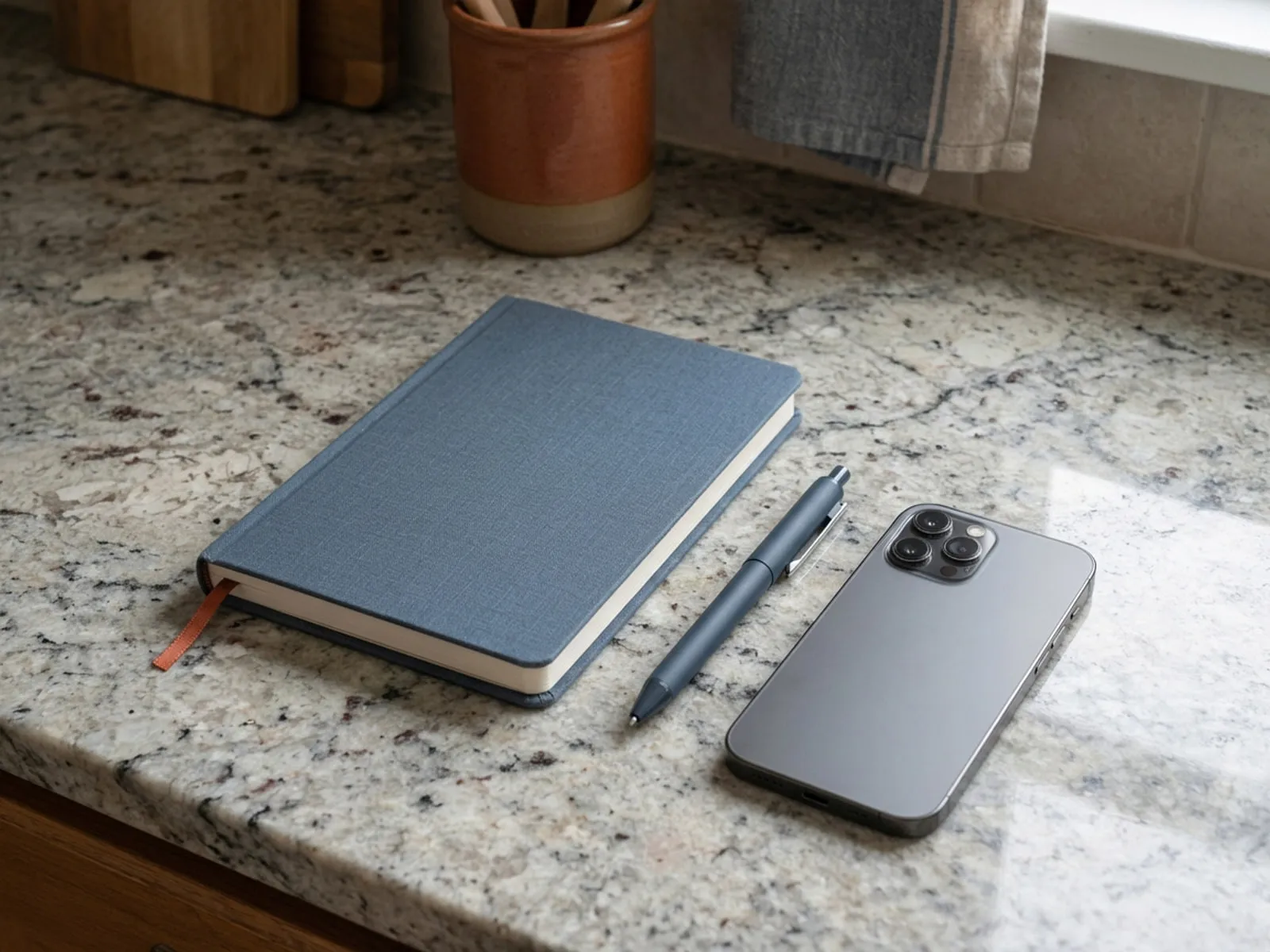
Read the meter at the same time on the same day each week, or at least at the start and end of a billing period. Photograph the display with the date visible, and write the reading in a log.
Read the meter from where you can see it normally. Do not open the meter, remove its seal, touch the equipment or tamper with it. If anything looks damaged, hot or unsafe, contact the utility and leave it alone.
Meter faces vary, so check the utility’s explanation of how to read your type of meter. Digital displays often cycle through screens; record which screen shows cumulative use and the units.
An invented example shows the arithmetic. A bill says the previous reading was 41,200 kWh and the current reading is 42,150 kWh, so the bill should show 950 kWh used. Your own photographs show 41,200 on the first day of the period and 41,980 on the last day, which is 780 kWh. The 170 kWh difference (950 minus 780) is large enough to question. Your readings need to match the billing dates, so compare them against the exact period.
Step 3: Test for the common explanations
Before you call, rule out the usual causes. Check whether the bill is marked as an estimate; an estimated reading that is corrected by a later actual reading can look like a spike. Check the dates: a longer billing period contains more days of use. Check for a rate-plan change, a new fixed charge, a late fee, a deposit or a balance carried over from an earlier month.
Then look inside the home. A running appliance, a failing heating or cooling system or equipment left on can raise real usage. If the cause might be a fault, ask a licensed professional to inspect it; do not attempt electrical or gas work yourself.
Step 4: Contact the utility and ask for specific corrections
Call or message the utility’s customer service first. The CPUC, California’s state regulator, says consumers should give the utility’s customer service a chance to resolve the problem, and describes an informal complaint to the CPUC as the route if it cannot be resolved after talking with customer service (CPUC, File a complaint, checked November 18, 2026). The same sequence is a sensible habit in any state.
State the problem briefly and attach the evidence: the bill, your meter log and photographs. Ask for specific things: a bill recalculated from actual readings, a meter test or a field reading if the figures stay in dispute, an explanation of any charge you do not recognize, and the written outcome. Note the date, time, the representative’s name and any reference number for each contact.
Ask what happens to payment while the dispute is open. Rules on disputed amounts, late fees and disconnection vary by state and utility, so get the answer in writing and check it with your state commission before you decide how much to pay.
Step 5: Escalate to your state regulator
If the utility does not resolve it, the next stop is usually your state public utility commission. NARUC is the association that represents state public service commissions (NARUC, checked November 18, 2026), so its directory pages may help you find yours, though your state’s own website is the place to file.
In California, the CPUC says its Consumer Affairs Branch assists consumers in resolving disputes with their regulated utilities, that an informal complaint is the usual first step and that a formal complaint is available if the informal process does not resolve the issue. It also says the branch does not handle municipal utility complaints (CPUC, Utility complaint, checked November 18, 2026). Other states differ, and municipal and cooperative utilities often answer to a city council or member board instead of a state commission, so confirm which body covers yours.
When you file, keep it short and factual. Say what you were billed, what you believe is correct, the evidence, who you contacted and what the utility said. A one-page timeline with attachments is easier for a caseworker to act on than a long narrative.
Step 6: Close the loop
Once corrected, check that the next bill shows the credit or revised amount, and keep the confirmation. If the cause was a faulty meter or an estimated reading, ask when an actual reading will resume.
For budgeting around a bill that has swung, Money Master covers the money side at moneymaster.fyi.
Common questions
Can I read my meter myself? Reading the display from the outside is normal. Do not open it or touch the equipment.
Should I stop paying while I dispute? Rules differ by state and utility. Ask the utility, in writing, and confirm with your state commission before withholding anything.
What if I have a municipal or co-op utility? The regulator may be different. The CPUC, for example, says it does not handle municipal utility complaints.
What evidence helps most? Dated meter photographs, the bills in question and a record of each contact.
Sources checked November 18, 2026: CPUC, File a complaint; CPUC, Utility complaint; NARUC. Consumer protections differ by state, so confirm them with your own state commission.